Shocked headlines and warm applause followed a Mexican bishop’s blunt words: Bishop Raúl Vera López told a pro‑LGBT Catholic gathering that homosexuality “is not a sin” , a comment that has ignited debate within Mexico’s Church, highlighted broader pastoral shifts, and raised questions about inclusion, doctrine and leadership.
Essential Takeaways
- Clear statement: Bishop Raúl Vera López publicly declared homosexuality “is not a sin,” arguing it’s “a thing of nature” and urging full participation of LGBT Catholics in Church life.
- Local setting: Remarks were delivered at the Fourth National Meeting of Red Católica Arcoíris México in Torreón, attended by nearly 100 delegates and celebrated with local clergy involvement.
- Past pattern: Vera López has a history of pro‑LGBT pastoral gestures, including baptisms and shared liturgies that have upset traditionalists.
- Reaction mixed: Supporters praised the inclusive tone; critics called the comments controversial and at odds with official Catholic teaching.
- Practical impact: The comments push questions about parish leadership roles, pastoral care, and how dioceses balance doctrine with outreach.
A bishop’s blunt line that startled many
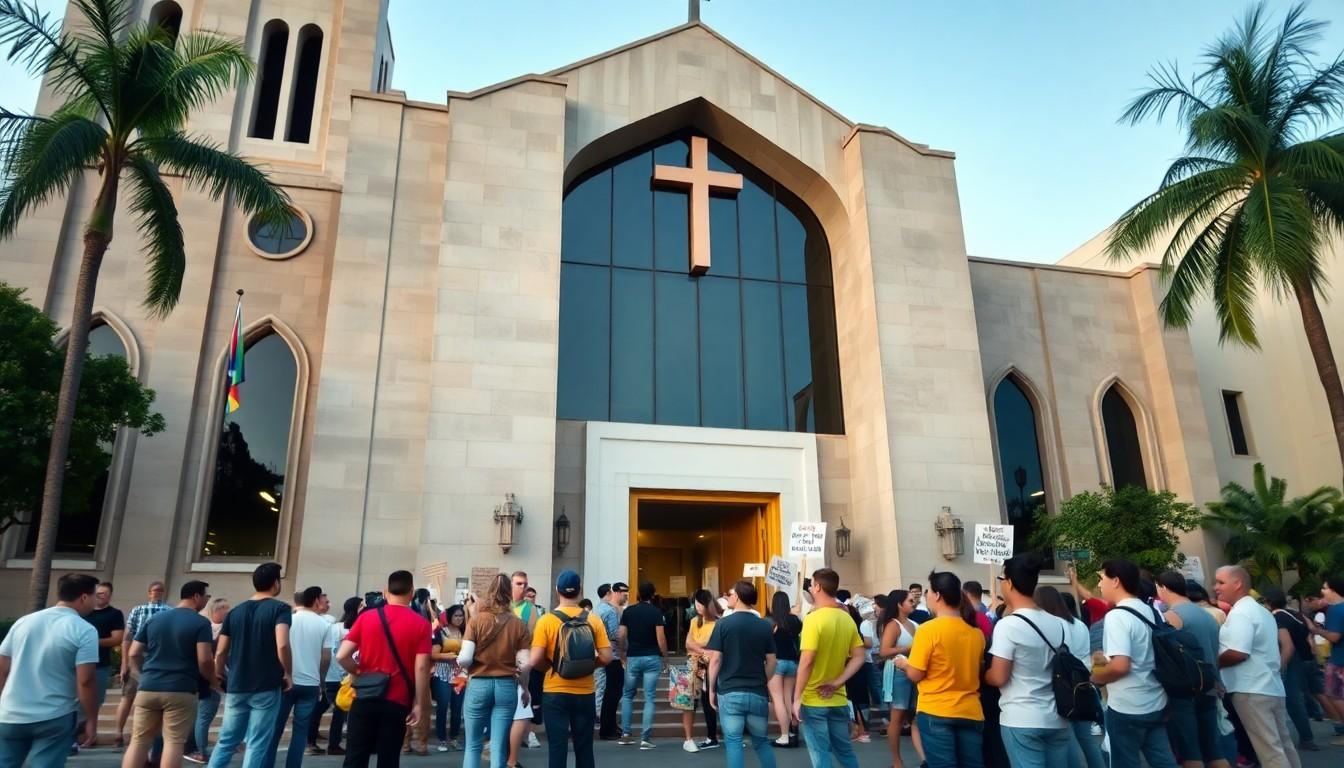
Bishop Vera López’s phrase “homosexuality is not a sin” landed like a splash of cold water in conservative circles and a warm welcome among LGBT Catholics and allies. The image of a cathedral opening its doors to a pro‑LGBT meeting made the scene feel both reverent and unusually intimate. According to local reports, the event included workshops, the election of new leaders for the Red Católica Arcoíris, and a homily that framed inclusion as moral duty rather than optional kindness.
For people who’ve watched pastoral approaches evolve, this was not a bolt from the blue. Vera López has long been visible in initiatives supportive of LGBT people, and his tone here doubled down on that pastoral priority. Expect continued debate about how such public statements fit within broader Church teaching.
Why his past actions matter for today’s headlines
Vera López isn’t speaking from nowhere. He’s previously carried out gestures , baptisms linked to same‑sex families and liturgical actions with non‑Catholic clergy , that critics have flagged as boundary‑pushing. Those earlier incidents provide context: this homily is less an isolated soundbite and more a continuation of a pastoral style that prioritises accompaniment and inclusion.
That history helps explain why supporters immediately rallied behind him on social media while detractors accused him of contravening doctrine. For parish priests and lay leaders, the practical takeaway is clear: diocesan life increasingly has to manage pastoral compassion alongside canonical norms.
What the reaction tells us about the Mexican Church
The response to the homily has been predictably mixed, reflecting broader divides in Catholicism worldwide. Some dioceses and congregations have quietly embraced more welcoming practices, while other voices demand fidelity to official teachings. Local press coverage and statements from Church bodies underline that this is as much a cultural conversation as a theological one.
If you’re following developments, watch for formal responses from bishops’ conferences or the Vatican, because isolated pastoral practices can prompt clarified guidance or disciplinary conversations. For parishioners, the moment is a reminder that ecclesial life is often lived in the tension between law and welcome.
Practical guidance for Catholics and parishes navigating the issue
If your parish faces similar debates, a few practical steps help keep the conversation constructive. First, create spaces for calm dialogue where people can express pastoral concerns without personal attacks. Second, priests might offer catechesis that explains doctrine clearly while also teaching about dignity and accompaniment. Third, review liturgical practice with canon law in mind to avoid actions that could generate confusion.
Those running pastoral programmes should also think about visibility and leadership roles: if LGBT Catholics are to “exercise leadership,” as Vera López urged, parishes need clear policies about ministry, safeguarding and formation.
Looking ahead: a Church working out inclusion in public
This moment in Torreón feels less like a final answer and more like a continued conversation that will play out in parishes, diocesan meetings and the media. Vera López’s remarks will keep prompting dialogue about how the Church balances tradition with pastoral outreach, especially in regions where faith and social change collide.
Whatever happens next, communities will decide how to live that tension day by day , in baptisms, ministry teams and Sunday homilies. It’s a human, often messy process that reveals how faith communities adapt.
It's a small change that can make parish life feel more inclusive for some and more complicated for others , and the conversation is far from over.
Source Reference Map
Story idea inspired by: [1]
Sources by paragraph: