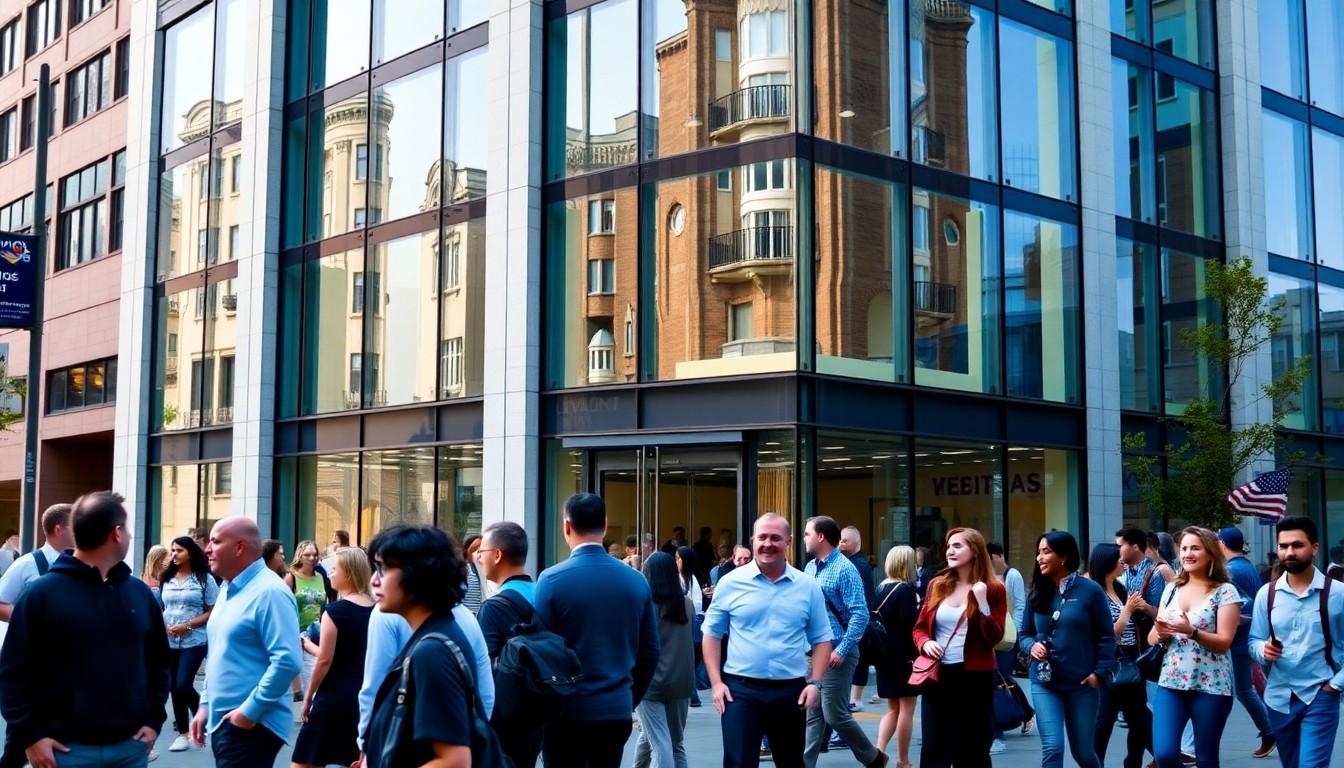
Shoppers of change are taking note: San Francisco has been named the world’s best city for LGBTQ+ life, and the accolade matters because it points to where community, culture and services still converge , even as political headwinds leave other US cities exposed.
Essential Takeaways
- Top-ranked city: San Francisco scored highest for LGBTQ+ life in the 2026 Sexually Liberal City Index, praised for strong community infrastructure and Pride traditions.
- What was measured: The index looked at sex-work law, LGBTQ+ life, reproductive health and adult lifestyle across 41 cities.
- US context: American cities show lively nightlife and scenes but weaker legal protections, leaving them vulnerable under the current political climate.
- Global leaders: Amsterdam won the overall index for the second year running; Manchester and Cologne also scored highly in LGBTQ+ life.
- Practical note: Local organisations and services , from clinics to sex-worker groups , are a big part of a city’s rank, so visibility doesn’t always mean legal security.
San Francisco: old heart, new tests
San Francisco’s top spot isn’t a surprise , the city still has that warm, lived-in queer texture, from the Castro’s painted curbs to a calendar of Pride and community events that feels tactile and reassuring. According to the Sexually Liberal City Index, that community infrastructure pushed the city to a 70 out of 100 in the LGBTQ+ life category. That score reflects more than nightlife; it recognises organisations, support networks and history that give people a sense of belonging.
But the ranking also underlines a split: American cities often score high for bars, clubs and festivals, and yet lag on formal protections. So while a weekend in San Francisco may feel celebratory, the report reminds us to look beyond faces in a crowd and at the laws that keep people safe.
Why the index matters: law, health and adult life all count
The study measured four areas , sex-work law, LGBTQ+ life, reproductive health and adult lifestyle , which makes this more than a popularity contest. Amsterdam winning the overall crown again reflects long-term protections and lived acceptance, while cities like Miami showed how nightlife excellence can’t fully compensate for low scores on gender-affirmation and anti-discrimination protections.
That matters because policies shape access to services. According to other reporting and city guides, strong healthcare networks and explicit legal safeguards are often what make a city genuinely liveable for trans and non-binary residents, not just a good place for a night out. For prospective movers or visitors, that’s the kind of nuance you’ll want to weigh.
The US picture: vibrant scenes, shaky protections
The index flagged a worrying trend: US cities are slipping in parts of the ranking, a finding the authors explicitly tied to the political climate under the current administration. Cities such as Miami and Atlanta scored well on visibility and events but poorly on things like gender-affirming care and workplace protections. San Francisco was the lone US city in the overall top ten, which both highlights its resilience and shows how exceptional it has to be to stand out.
If you’re choosing where to live or spend time, look at both culture and legal safeguards. Check local non-profit directories, clinic availability and municipal ordinances , these concrete details tell you whether a city’s welcome is surface-level or structural.
UK and European standouts: Manchester climbs, Amsterdam stays king
Manchester’s strong showing , ahead of other UK cities , suggests that municipal investment and local activism really move the needle. Glasgow also placed highly, while London lagged in 23rd place despite its size and history. Across Europe, Cologne and Amsterdam demonstrate how longstanding legal frameworks and community services combine to create safer, more stable environments.
For travellers and newcomers, that means smaller or less-hyped cities can offer surprising levels of support. Don’t assume bigger equals better; sometimes a compact city with committed local groups will serve your needs more reliably.
What to look for when assessing a queer-friendly city
Practical tips: check for visible services (community centres, clinics), legal protections (anti-discrimination laws, gender-recognition processes), and the kind of everyday culture that matters , safe public spaces, inclusive employer policies and sex-worker support networks. A city that smells faintly of renewal , lots of grassroots initiatives and active advocacy groups , is often preferable to one that looks polished but lacks safeguards.
And remember: rankings are snapshots. They tell you where things stand now, but activism, policy fights and funding shifts can change a city’s profile quickly. Keep an eye on local press and organisation websites if you’re planning a move.
It's a small but meaningful reminder: culture and law must travel together for queer life to flourish.
Source Reference Map
Story idea inspired by: [1]
Sources by paragraph: