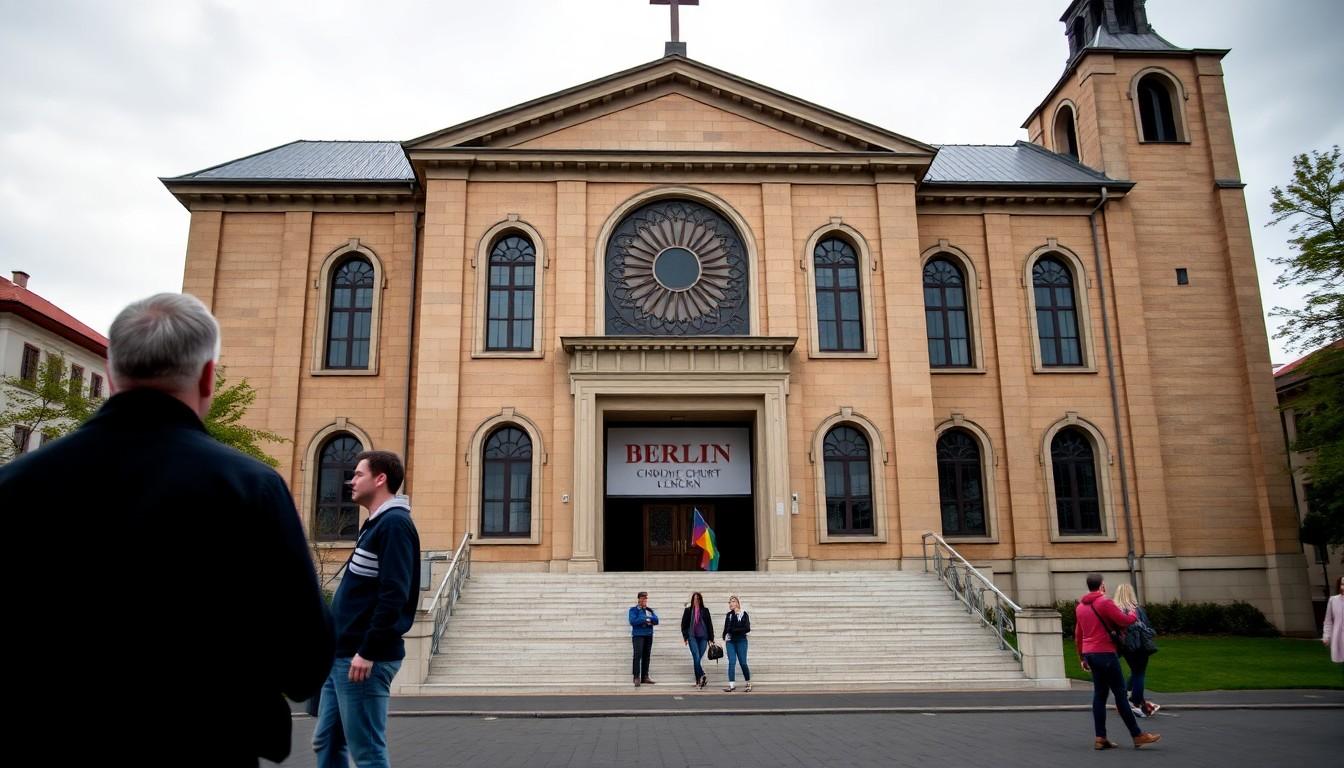
Shoppers, believers and activists alike have been watching as Germany’s Catholic leaders publicly condemn the deadly attack at Berlin’s Christopher Street Day , and then wrestle with what solidarity really means when the Church’s own record on LGBTQ+ inclusion is still unresolved. Here’s what happened, who spoke up, and why it matters.
Essential Takeaways
- What happened: A vehicle ploughed into crowds at Berlin’s CSD on 25 July, killing one person and injuring dozens; authorities and media reported dozens hurt and widespread shock.
- Cross‑faith condemnation: Muslim associations, Jewish leaders and Catholic bishops issued unified denunciations of the violence, signalling broad social horror.
- Catholic internal debate: Church figures like Katrin Brockmöller and Peter Otten voiced solidarity while also acknowledging internal discrimination and theological tensions.
- Political and pastoral gestures: Politicians who are also lay Catholics, such as Green MP Max Lucks, praised clergy who publicly supported Pride marches and urged the Church toward concrete outreach.
- Practical aftermath: Calls for protection, respect and visible inclusion came alongside demands the Church address homophobic language and policies within its own communities.
An attack that shook a celebration , the immediate reaction
The image of a joyous Pride event turned into chaos is hard to shake; witnesses described panic, injured people and emergency services swarming the Tiergarten. News outlets and broadcaster reports confirmed one death and many wounded, which turned a local tragedy into a national moment of alarm. Governments and religious communities stepped forward quickly to condemn the violence.
For many, the most striking line was not just the horror but how quickly a range of civic and faith actors , Jewish, Muslim and Christian leaders alike , issued messages of solidarity. That cross‑community response reassured survivors and signalled a shared moral repugnance to using violence against visible minorities.
Catholic voices offering solidarity , but with caveats
Some Catholic leaders were blunt about the limits of mere words. Katrin Brockmöller of the Catholic Bible Society welcomed the unified denunciation but warned that discrimination still bubbles up inside Christian communities. She pressed the Church to ask how clearly it responds when members justify exclusion by citing scripture.
At the same time, pastoral figures like Peter Otten offered a consoling theological frame: love of God and neighbour must be inseparable, he wrote, invoking the kind of spiritual language that comforts as well as corrects. Those two tones , call‑out and consolation , are now running side by side in Catholic commentary.
Politics and pastoral care meet , when a gay Catholic lawmaker leads the call
Max Lucks, a Green Party Bundestag member who is active in the Central Committee of German Catholics, made the moment personal. He praised Hamburg’s archbishop for publicly backing Pride and urged the Church to take this as an opportunity for outreach to queer believers.
That intervention matters because it’s not just about public statements; it’s about whether institutional practice follows. Lucks’ dual identity as politician and “gay Catholic” gives his appeal extra weight: he’s asking the Church to live the solidarity it preaches, not merely express it in crisis.
Why this debate matters beyond rhetoric
Condemnations are important, but survivors and LGBTQ+ communities watch for changes that reduce risk and day‑to‑day exclusion. That means safer public events, clearer pastoral protections, and tackling homophobic language in parishes and institutions , areas Brockmöller highlighted.
Churches that want to be credible allies will need to show concrete steps: training for clergy, pastoral guidelines that emphasise dignity and protection, and outreach programmes that make queer Catholics feel seen and safe. Otherwise solidarity risks sounding like a headline rather than a changed practice.
What to watch next , signals and actions that will count
Keep an eye on three things: first, whether dioceses issue pastoral guidance or protection plans for public events; second, whether Catholic educational and youth groups adopt clearer anti‑discrimination policies; and third, whether public statements turn into local initiatives that include queer Catholics in decision‑making.
If the Church can combine public denunciations of violence with honest self‑reflection and concrete change, this moment could become a turning point rather than a temporary chorus of sympathy.
It’s a small but significant test of whether words of solidarity can be turned into safer, more inclusive practice for everyone.
Source Reference Map
Story idea inspired by: [1]
Sources by paragraph: