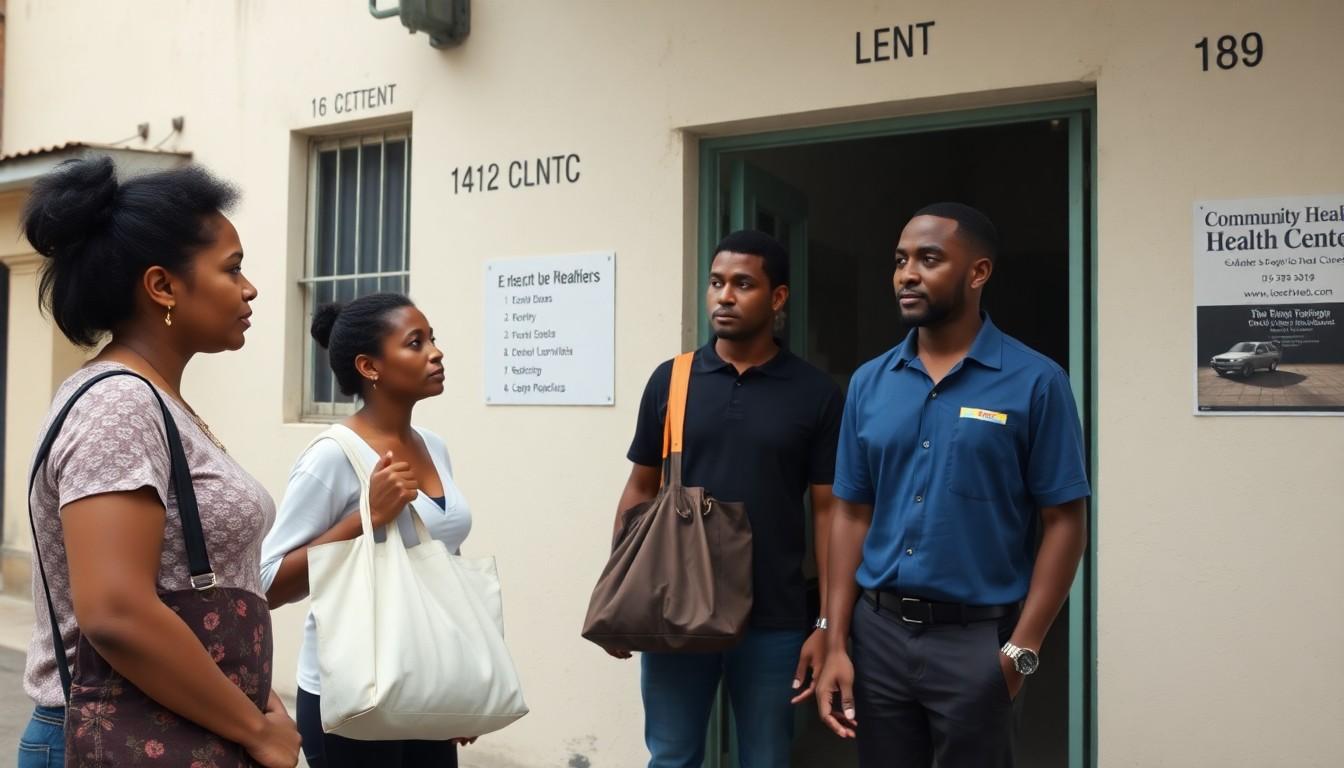
Shifting the lens: activists, researchers and communities are increasingly framing the repeated harms faced by 2SLGBTQIA+ people as collective psychosocial trauma, and looking to liberation psychology and intersectional analysis to explain why this matters for health, resilience and political change.
Essential Takeaways
- Structural roots: Psychosocial trauma in 2SLGBTQIA+ communities arises from ongoing, system-level oppression rather than only single traumatic incidents.
- Liberation psychology lens: Viewing trauma as political and historical highlights community healing, conscientization and collective action as core responses.
- Double-edged activism: Engagement can build purpose and solidarity but also risks burnout, retraumatisation and exclusion for marginalised activists.
- Context matters: In places like Brazil, colonial history, conservative religion and local politics intensify visibility, surveillance and harm.
Why we need a different frame for trauma in queer communities
Start with the simple, sharp fact: many 2SLGBTQIA+ people live with repeated, everyday violations that wear on body and mind. Those are not isolated incidents you diagnose and move past; they're patterned, social harms with sensory traces , a constant knot of anxiety, hypervigilance and loss of trust. According to recent academic work, placing these experiences under the rubric of psychosocial trauma shows how political systems, not just individual pathology, produce suffering. That shift matters because it changes what "treatment" looks like: it's not only therapy for one person, it can be organising, memory work and changes to institutions.
Liberation psychology: trauma as political, not only personal
Liberation psychology, developed in Latin America in the 1980s, treats suffering as rooted in social relations and historic violence. From this view, trauma is embodied evidence of dehumanising power. Conscientization , the slow work of critical awareness about why things are unjust , becomes both explanatory and curative. Practically, that means interventions that combine counselling with political education, community history and collective rituals of repair. It also reframes success: improved communal bonds or renewed political agency count as healing just as much as symptom reduction.
Activism: resilience engine and risk factory
Joining activism often brings restored purpose, identity affirmation and social connectedness, all of which buffer distress. Researchers report activists describe their work as necessary for survival , and rewarding. But there's a cost: emotional labour, burnout and the risk of being outed or isolated are real, especially for trans, intersex and racialised organisers. So the take-home is pragmatic: activist groups need structures that share labour, protect privacy, offer debriefing spaces and rotate responsibilities so energy and risk aren't concentrated on the most vulnerable members.
Brazil as a case study in layered harm and resistance
Brazil illustrates how history, religion and politics shape psychosocial trauma. Colonial-era persecution, entrenched cisheteronormativity and a rising evangelical political presence create a harsh ecology for gender and sexual diversity. Public images of queer life in big cities can mask the dangers activists face in midsized towns , forced visibility, community surveillance and uneven legal protections. When rights were won via courts rather than politics, that fragility left gaps in everyday safety. Understanding these dynamics helps explain why local organising strategies must be tailored to each terrain.
How intersectionality changes what healing looks like
Intersectionality asks who is most harmed and why; it forces us to see how racism, poverty, ableism and HIV stigma stack with cisheterosexism. That means services should not be one-size-fits-all. Practical steps include funding grassroots groups led by the most affected, offering culturally competent mental-health care, and ensuring accessibility for people with disabilities. It also means measuring outcomes beyond individual symptom scores , look at community trust, civic participation and whether people feel safer in public life.
Closing line Start with solidarity: small collective steps , sharing responsibility, building histories and supporting leaders at risk , make every effort to heal more than individual wounds.
Source Reference Map
Story idea inspired by: [1]
Sources by paragraph: