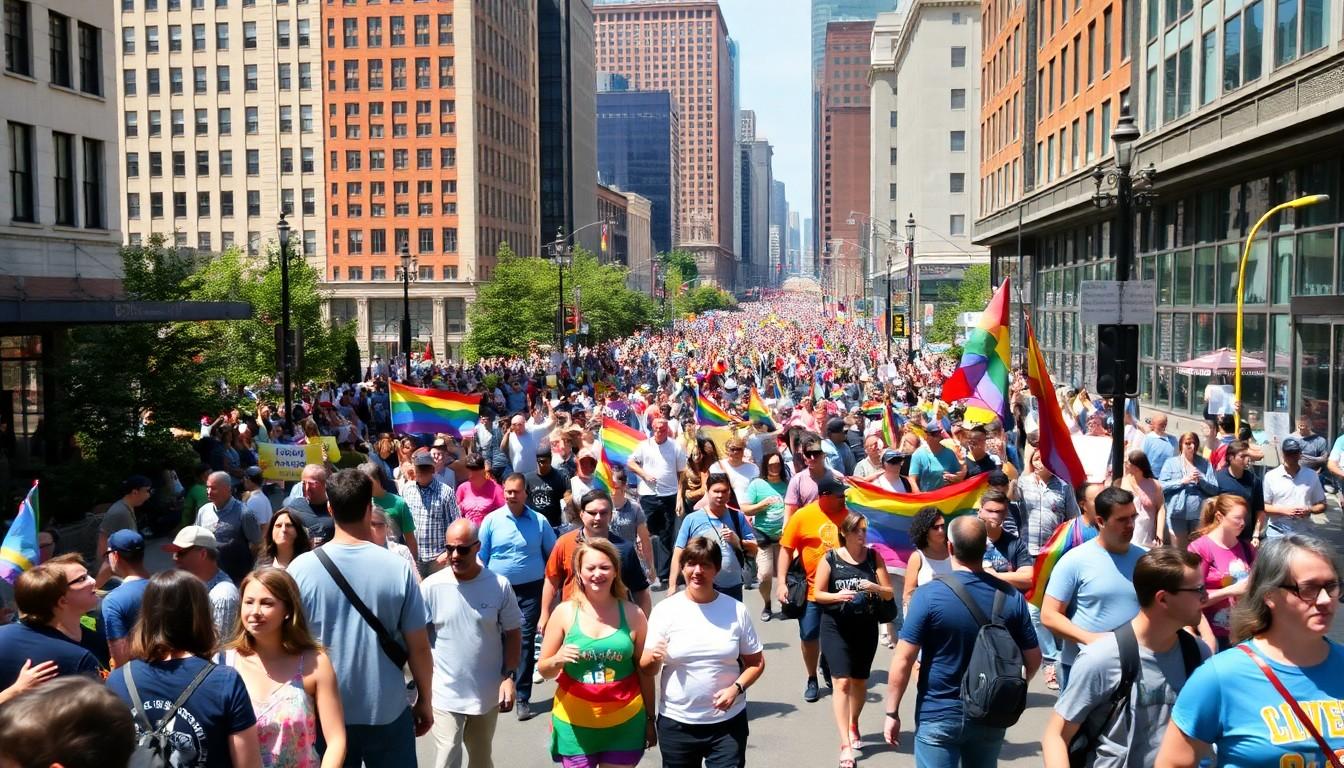
Don your brightest colours and plan ahead: thousands will gather downtown Montreal on Sunday for the Fierté Montréal Pride Parade, a free, family-friendly celebration of 2SLGBTQIA+ communities that matters for visibility, solidarity and city life. Here’s how to make the day smooth, safe and memorable.
Essential Takeaways
- Kick-off time: Parade starts at 1 p.m. on René-Lévesque Boulevard; arrive early for a good spot.
- Moment of silence: A city-wide pause at 2 p.m. will honour victims of homophobia, transphobia and AIDS.
- Road impacts: Mansfield and several streets will be closed; expect detours and public‑transit busy periods.
- Free to attend: No tickets required; spectators are encouraged to line the route and show support.
- Practical tips: Bring water, sun protection, comfortable shoes and a phone battery pack.
Where and when to stake out the best view
The parade marches along René-Lévesque Boulevard from Robert-Bourassa to Atateken Street, starting at 1 p.m., so positioning matters if you want a clear view or a quieter slice of the route. Early arrivals can claim curbside seats and soak up the pre-parade atmosphere; later in the afternoon the crowds swell and the route feels electric, bright and noisy. According to event listings, the procession is the capstone of Fierté Montréal and draws thousands, so plan to arrive at least 30–60 minutes early if you want a prime spot.
If you prefer less bustle, aim for the ends of the route rather than the centre: you’ll still see floats and performers, but with more breathing room. Check the parade map online for staging points and accessibility zones, and remember that street furniture and tree canopies offer brief shade if it’s hot.
Expect pauses and a reflective moment at 2 p.m.
Halfway through the celebrations the parade will observe a moment of silence at 2 p.m. to honour those who’ve been lost to homophobia, transphobia, biphobia, lesbophobia and AIDS, and to remember missing and murdered Indigenous 2SLGBTQIA+ people. That pause is a powerful, communal piece of the day , it’s loud and colourful one moment, quiet and solemn the next. Bringing a small sign or wearing a pin is a gentle way to show solidarity, but respect the silence when it happens.
Organisers designed the moment to centre remembrance within celebration, and attendees often say it deepens the experience , a reminder that visibility carries both joy and responsibility.
Getting there: traffic, closures and parking tips
Motorists should expect closures along the parade route, including Mansfield Street between De la Gauchetière and Cathcart, and other detours in the downtown core. The city warns of heavier traffic and recommends planning alternate routes or choosing public transport. Local parking blog posts and the Montreal Centre-Ville visitor pages offer practical parking zones and pre-booking options if you must drive.
If you’re coming by public transit, add extra time: buses and metro stations near René-Lévesque will be busy before and after the parade. Cyclists should check for temporary bike rack availability and consider walking the last few blocks to avoid congestion.
What to bring , comfort, safety and celebration
Bring a lightweight backpack with water, sunscreen, a hat and a portable charger; city crowds and performances mean your phone will come in handy for photos and meeting friends. Comfortable shoes are a must , the area is mostly flat but standing for extended periods can tire you out. If you’re attending with kids, pack snacks and a small foldable blanket for a quick sit.
The parade is family-friendly but also a political moment, so balance fun with respect: follow stewards’ instructions, keep walkways clear, and if you’re filming, be mindful of people’s privacy.
Accessibility and community considerations
Fierté Montréal emphasises inclusivity; accessible viewing areas and supports are usually available. Check the official festival site for specifics on wheelchair access, quiet zones, and sensory-friendly recommendations. Community groups and sponsor floats often provide resources and booths along the route, offering everything from health info to safer-space guidance.
If you need assistance on the day, look for volunteers and marshals in official vests , they’re briefed to help with directions, first aid contacts and lost‑and‑found queries.
It's a small plan that makes for a big, kinder parade experience.
Source Reference Map
Story idea inspired by: [1]
Sources by paragraph: