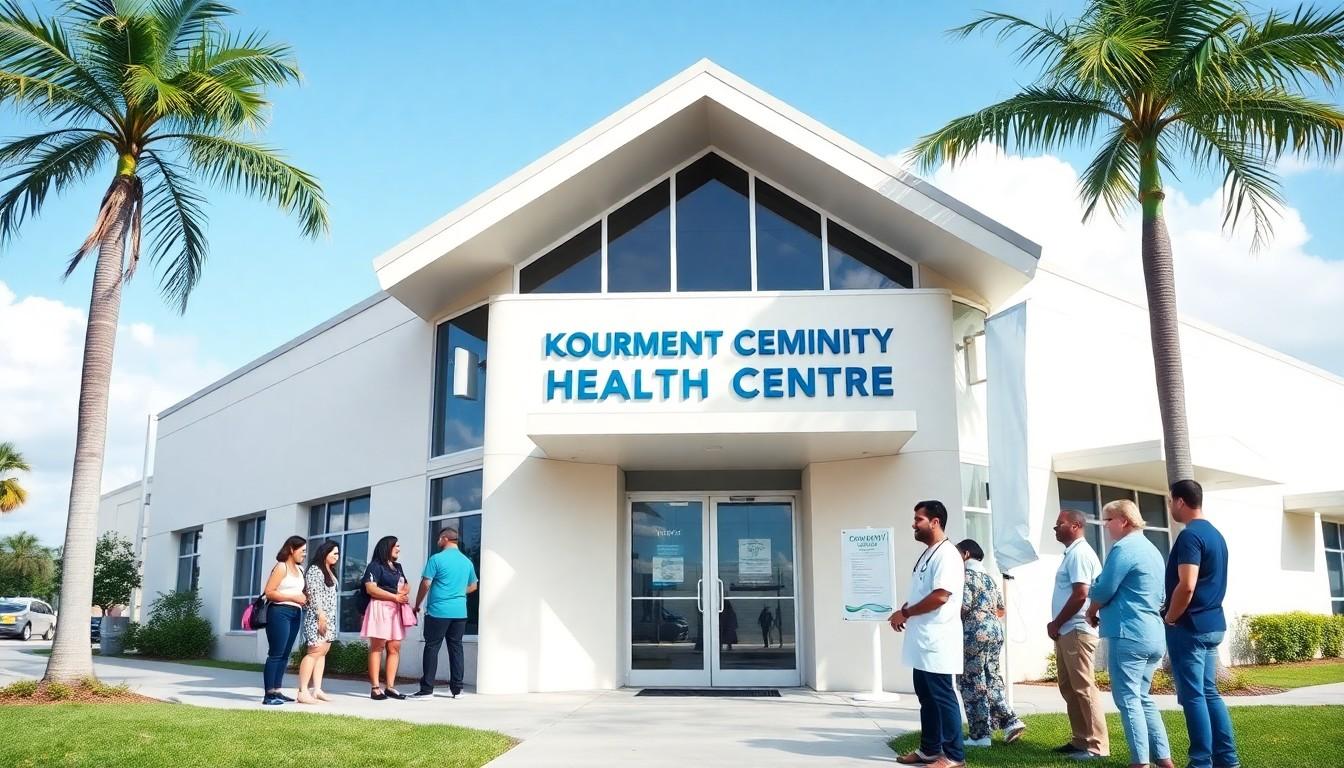
Shining a light on local action: community health teams in Miami‑Dade and Broward are combining testing, PrEP access, education and compassion to chip away at HIV stigma and make life‑saving services easier to reach. Here’s what’s working and why it matters to people across South Florida.
Essential Takeaways
- High local need: South Florida remains a national hotspot for new HIV diagnoses, creating urgency for prevention and outreach.
- Stigma still blocks care: The CDC notes stigma discourages testing and treatment, so education and empathetic services are vital.
- Practical services available: Community clinics offer free or low‑cost testing, PrEP, and behavioural health support with a confidential, welcoming feel.
- U=U is a game changer: People on effective therapy who reach undetectable viral loads cannot sexually transmit HIV, easing fear and improving quality of life.
- Meet‑people‑where‑they‑are approach: Mobile testing, health fairs and neighbourhood partnerships make access simpler and less intimidating.
Why stigma still matters , and what it feels like on the ground
Stigma isn’t an abstract problem; people avoid clinics because they fear judgement, gossip, or losing jobs and housing. According to the CDC, those fears change behaviour: fewer tests, delayed care, and worse outcomes. Locally, that plays out in higher rates of new diagnoses in South Florida, so the emotional weight of stigma has clear public‑health consequences. Tackling misinformation and building trust are as important as providing medicine.
How community clinics are reshaping care with compassion
Care Resource and similar community health centres have made welcoming, confidential services central to their model. By training staff in culturally competent care and offering judgement‑free appointments, clinics help patients relax and return for follow‑up. These sites blend primary healthcare with case management and mental‑health support, recognising that treatment works best when social needs are addressed too. If you’re choosing a clinic, look for explicit confidentiality policies and integrated services.
Testing and prevention: normalising conversations with practical options
Making testing routine reduces fear. Clinics run walk‑in testing, mobile units and outreach at events to make knowing your status simple and discreet. Prevention now includes widely available PrEP, which dramatically lowers infection risk when taken consistently. For people wondering what to do next, start with a local testing event or the nearest FQHC, staff can explain PrEP, follow‑up testing, and side‑effect monitoring in plain language.
Undetectable = Untransmittable: why that message matters
The U=U message reassures people living with HIV and their partners: effective antiretroviral therapy that achieves an undetectable viral load prevents sexual transmission. That scientific fact helps dismantle shame and opens conversations about long‑term health planning. Healthcare teams use U=U not only to inform treatment goals but to support mental wellbeing, knowing you can live fully and protect others changes the tone of care.
Outreach, education and meeting people where they live
Community health work often happens outside clinic walls: health fairs, workshops, and partnerships with local organisations get accurate information into everyday spaces. Education combats myths about transmission and treatment, while visible, friendly services make reaching out less intimidating. If you’re organising outreach, combine clear facts with personal stories and easy links to testing and PrEP, people respond to both data and human connection.
What to look for when seeking services in South Florida
Choose providers who advertise confidentiality, offer combined services (testing, PrEP, mental‑health support), and do community outreach. Check clinic websites or call ahead about walk‑in testing, insurance assistance, and language support. If transport or hours are a barrier, ask about mobile testing events or extended clinic times. Small practical fits, childcare help, evening appointments, discreet entry, often make the biggest difference.
It's a small change that can make every step toward care feel safer and more possible.
Source Reference Map
Story idea inspired by: [1]
Sources by paragraph: