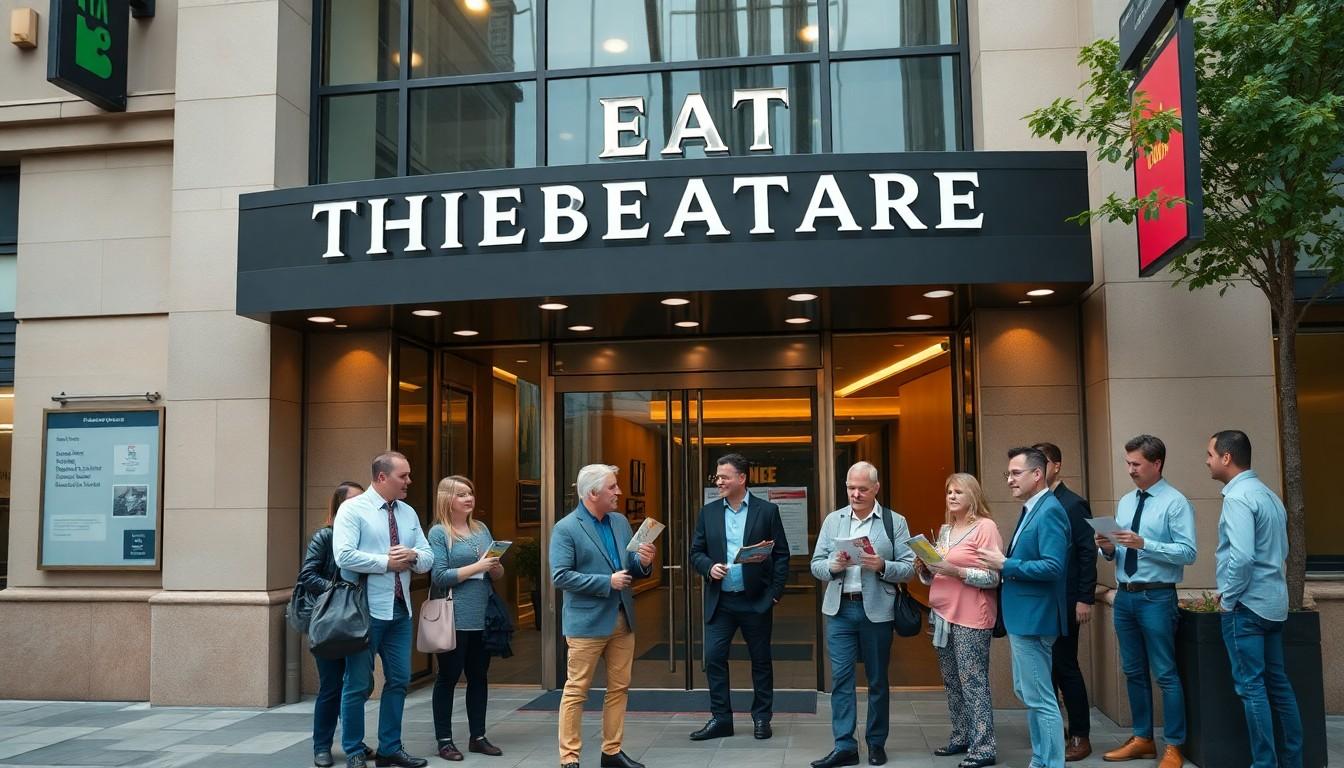
Shoppers are turning to arts that truly invest in creators: The Theater Offensive’s Queer (Re)public Emergent Artist Residency gives QTBIPOC artists long, funded time to experiment, rest and build work , on city stages and in a rural Massachusetts farm , so their practice, not just a product, can thrive.
Essential Takeaways
- Long-term incubator: Residents get up to 22 months of funded development, with stipends, housing, travel and rehearsal time.
- Rural intensives: Three week-long residency intensives happen at Double Edge Theatre’s 110-acre Ashfield farm, offering quiet, space and unusual tech possibilities like pond lighting.
- Cohort model: Artists enter together so projects cross-pollinate; workshops and shared practices create peer learning and stronger outcomes.
- Decolonising praxis: The programme shifts power through budget transparency, pay-what-you-can performances and trauma-aware scheduling.
- Queer Liberatory Aesthetics: The residency uses eight guiding pillars , including “Space and Segregation” and “Medicinal and Healing” , to centre care and community.
Why a 22-month residency changes everything
The best surprise in the Queer (Re)public Residency is time; residents aren’t rushed through readings and workshops, they’re held for almost two years. That slow-burn approach gives artists real permission to iterate, rest and reimagine without the constant squeeze to ship a finished product. For makers juggling day jobs or dealing with travel barriers, that stretch matters: it cuts urgency and allows for trauma-aware pacing. If you’re choosing a residency, look for funding that covers living costs and enough calendar space to actually change a piece.
The farm partnership: art, food and a river to clear your head
Theatre on a pond sounds poetic because it is. The residency’s “harvest partnership” with Double Edge Theatre brings QTBIPOC artists to a living arts cooperative in rural Massachusetts for intensive creative bursts. Artists report creative freedom in the woods: morning swims, labyrinth walks and barn-bound problem solving all open different imaginations than a black-box studio in the city. Practically, a farm gives space to rehearse multi-person pieces and test outdoor tech , and it asks producers to adapt logistics for off-grid making. If you want to make ambitious, site-responsive work, consider residencies that include rural intensives.
Cohort design: peers as part of the toolbox
Rather than incubating projects in isolation, Queer (Re)public picks artists whose practices can inform each other and schedules them on the same timeline. That shift solves a common residency trap , asynchronous development that leaves artists dislocated , and replaces it with a living lab where methods are shared in real time. Workshops led by one resident become material for another’s piece; a drag-theatre experiment might spark a composer’s sonic choices. For emerging artists, cohort models are useful because they multiply feedback and create networks that survive after the festival ends.
Decolonising producer-artist relationships in practice
The residency actively questions traditional hierarchies between producers and artists. Tactics include financial transparency , showing line-by-line budgets and asking artists to co-decide resource allocation , and paying collaborators at every stage. The programme resists extractive urgency by committing to pay-what-you-can ticketing and by prioritising healing practices in schedules. Those moves won’t dismantle industry-wide systems overnight, but they model alternatives: treat budgets as conversation, not secrecy, and make wellbeing a production value. Producing teams in other organisations could start small by sharing budget basics and offering stipends to core collaborators.
Queer Liberatory Aesthetics: a values-led toolkit
Queer Liberatory Aesthetics (QLA) act as the residency’s cultural compass. These pillars , rooted in QTBIPOC practices and developed with cultural strategists , name what the programme values: kitchens and community, making-do, memory work, and medicine for organisational wounds. “Medicinal and Healing,” for instance, legitimises rest and processing as part of creative labour. For programmers and funders, adopting a simple values framework like QLA helps translate abstract commitments into everyday choices: longer timelines, trauma-aware debriefs, and community-facing festival elements such as altars or mutual-aid markets.
What’s next and practical tips for applicants
The current cohort includes a song researcher, a drag-king theatrical project and an experimental opera interrogating the John Henry myth , all showing how interdisciplinary the residency can be. Residencies include three intensives (April, September and the following April) and culminate in a two-week festival. If you’re applying or advocating for a residency in your region: ask about total funding, whether housing and travel are included, how timelines are set, and whether the residency offers mentorship on leadership and touring the work. If those boxes aren’t checked, demand them , those supports make sustainable careers possible.
It’s a small change that can make every rehearsal, reading and festival feel like an act of care and a pathway to real creative longevity.
Source Reference Map
Story idea inspired by: [1]
Sources by paragraph:
- Paragraph 1: ,
- Paragraph 2: ,
- Paragraph 3: ,
- Paragraph 4: ,
- Paragraph 5: ,
- Paragraph 6: ,