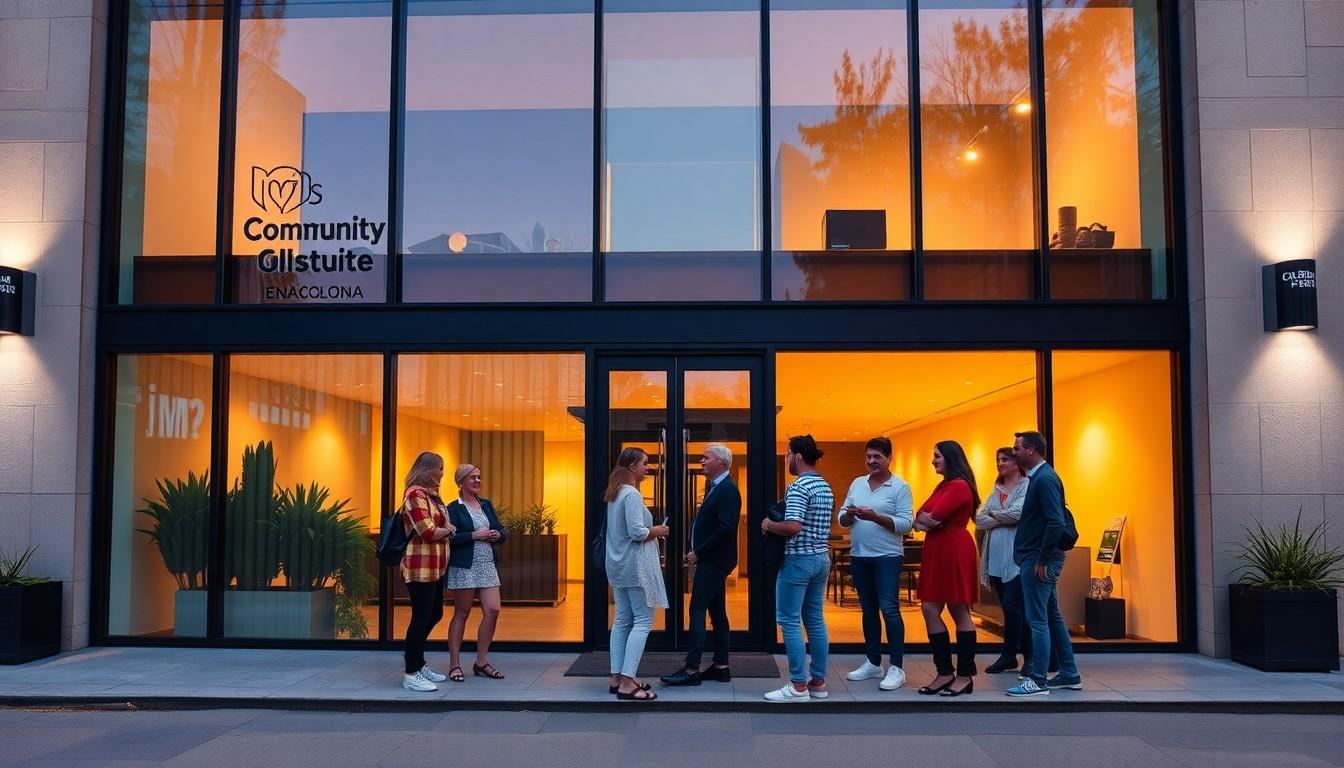
Shoppers and clubbers alike are noticing a different kind of party , one that doubles as cultural infrastructure. ICONIQA in Barcelona, led by creative director Barry Brandon, is trending because it intentionally builds belonging, visibility, and archival memory where nightlife often only offers spectacle.
Essential Takeaways
- Purpose-driven events: ICONIQA began as an intentional response to a gap in Barcelona’s queer scene, prioritising inclusion over trendiness.
- Radical hospitality: The parties encourage vulnerability and care , think applause for a stumble rather than mockery.
- Beyond visibility: The platform pairs nightlife with storytelling and archiving to preserve queer history and context.
- Collaboration over allyship: Brandon frames solidarity as mutual investment, not performative support.
- Practical vibe: Expect bold fashion, theatrical runways, and a room that feels safe, warm, and electric.
Why Barcelona needed a different kind of queer night
Barcelona looked, at first glance, like a queer-friendly city , streets full of self-expression, bars, and visible trans and non-binary people. But Brandon noticed a gap: many venues served specific demographics without creating genuinely broad, cross-community spaces. He built ICONIQA to answer that absence, combining years of producing events with the city’s openness to create something less about niche scenes and more about wide invitation.
That backstory matters because it explains the tone of the parties: intentional, not accidental. If you live in a city that markets itself as inclusive, this is the sort of project that tests whether that branding matches reality.
Designing belonging, not just spectacle
At ICONIQA the runway is theatre and fashion is amplified, but the politics run deeper. Brandon wanted glamour without hierarchy and visibility without pressure. A moment from the first event , a friend falling in towering heels and being applauded back up , crystallises the ethos: vulnerability is celebrated, not punished.
This approach matters for anyone curating nights or joining them. If you want a genuinely inclusive room, programme rituals and cues that reward care, not critique. Small cultural cues , the way staff respond, how the host frames the floor , ripple outward.
From allyship to collaboration: a tougher, truer solidarity
Brandon is sceptical about contemporary allyship, especially when it’s cheap and performative. He prefers collaboration: mutual investment where everyone risks something and builds together. According to him, meaningful support shows up when it costs social, political, or economic capital , not merely when it’s fashionable.
For organisers or brands thinking of working with queer platforms, the takeaway is clear: show up with skin in the game. Fund, share control, and accept accountability instead of slapping a logo on an event and calling it support.
Archive, magazine, memory: nightlife that remembers
ICONIQA didn’t stop at parties. The project extends into publishing and storytelling to preserve the people and histories that make queer culture possible. Brandon sees documentation as ethical work: younger generations may inherit freedoms but not the memory of how they were won.
If you’re a reader or contributor, consider the archive as part of the night’s offering. Stories and portraits shift empathy; they make attendees less an audience and more witnesses to each other’s lives.
Practical tips if you want ICONIQA-style nights in your city
Start with intention, not aesthetics. Ask: does this event expand access, create community, educate, let people see themselves? Build rituals that normalise care , hosts who intervene gently, applause for vulnerability, clear codes of conduct enforced by trained staff.
Seek collaboration over performative partnership. Invite those you hope to serve into leadership roles, and fund things properly. Finally, pair parties with storytelling , a zine, a newsletter, or an oral-history project keeps the culture from evaporating with the sunrise.
It's a small change that can make every night feel like a home.
Source Reference Map
Story idea inspired by: [1]
Sources by paragraph: