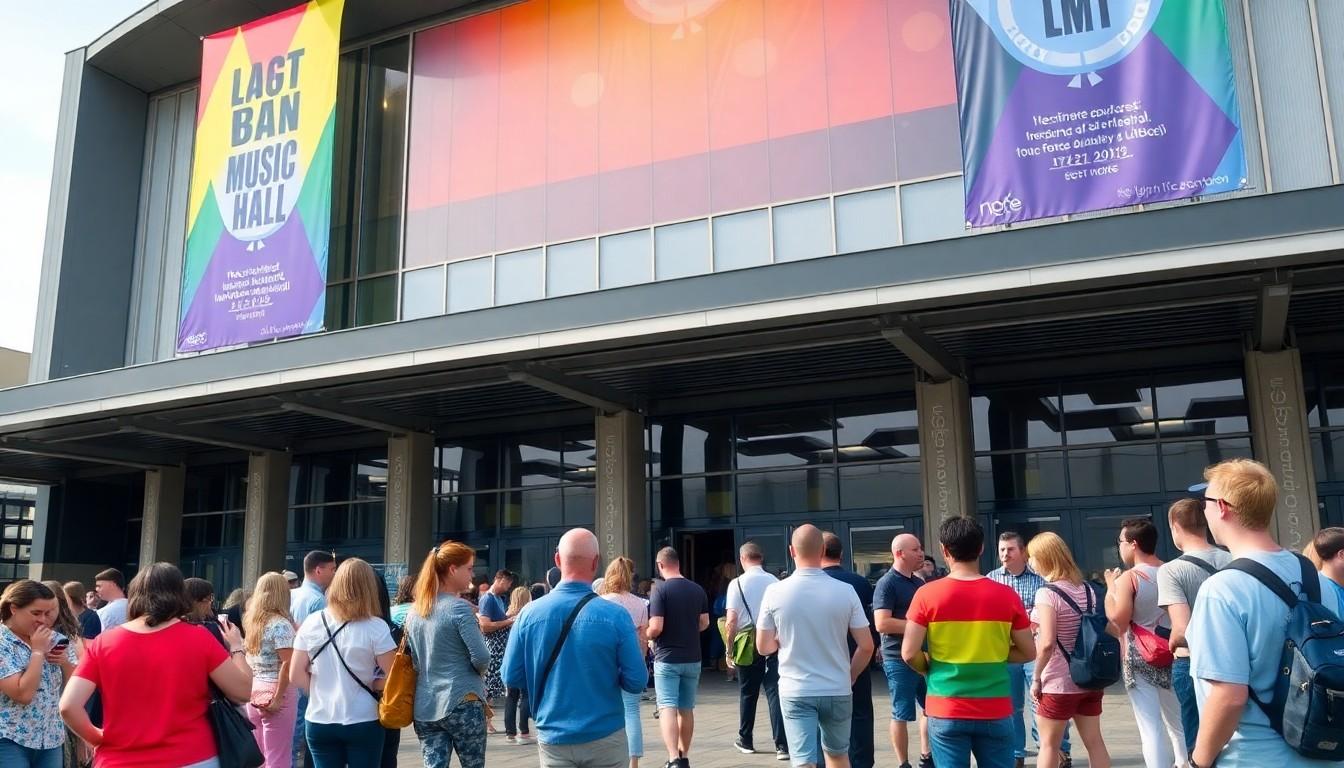
Shoppers of sound and lovers of late-night culture are flocking to East London this August , Queer Frequencies, a highlight of The Music Is Black Festival, brings Black queer club history, live acts and communal rituals to Sadler’s Wells East and the Queen Elizabeth Olympic Park, offering dance, discussion and discovery across 22–23 August.
Essential Takeaways
- Curated highlights: Queer Frequencies is led by Shy One, Donnie Sunshine, Mark-Ashley Dupé, Joel Mignott and Zinzi Minott, mixing DJs, live sets and performance.
- Two-day focus: Saturday night features Zinzi Minott’s Together We Felt The Bass; Sunday runs a full-day pre-carnival with Faggamuffin Bloc Party.
- Broad musical palette: Expect drum and bass, dancehall, jungle, disco-to-house lineage, plus film screenings, panels and listening sessions.
- Accessible location: The festival sits at East Bank, Queen Elizabeth Olympic Park, served by multiple tube and train links including the night Central line.
- Vibe and prizes: Events aim for intimate, high-energy club textures , think sweaty floors, sudden quiet moments and joyful rituals.
A weekend that feels like a mixtape: what Queer Frequencies promises
Queueing for a gig you absolutely adore , that’s the feeling organisers want to bottle for Queer Frequencies. The programming threads the smoky, ecstatic archive of queer nightlife through to contemporary producers, so the sound has a lived-in, tactile warmth. According to festival notes, the strand traces disco’s influence on early house and onwards to the bass-heavy sounds that dominate clubs now, paying attention to the queer creatives who held those spaces together.
The curatorial team reads like a roll-call of club culture practitioners: Shy One and Donnie Sunshine bring DJ pedigree, while Zinzi Minott and others shape performance and choreography. That mix makes the weekend more than a series of sets; it’s a textured programme of listening sessions, screenings and panels that map influence and technique. If you love hearing how one tune became another, the programming is a small scholarly delight dressed like a party.
Saturday night: Together We Felt The Bass , dance, poetry and drum & bass
Saturday 22 August centres on Zinzi Minott’s Together We Felt The Bass, an evening that stitches together dance, poetry and sound art. Expect heavy, propulsive rhythms , drum and bass and jungle textures , paired with live readings and tightly choreographed movement. It’s designed to feel muscular and intimate at once, a reminder that club music can carry queerness as both politics and joy.
Organisers have lined up collaborators including DJ GIN_ and poet-sound artist Remi Graves, so the night will pivot between DJ-driven bangers and moments that slow the room with spoken word or sound art. If you’re planning to go, pick comfortable footwear for dancing and an outer layer you can stash easily; the best nights alternate between sweaty peaks and breath-out pauses.
Sunday’s pre-carnival: Faggamuffin Bloc Party and communal celebration
Sunday 23 August flips the energy into a full-day pre-carnival hosted by Faggamuffin Bloc Party, a queer carnival collective that blends DJs, MCs and dancers into a rolling celebration. This is the kind of event that invites bodies to move differently , more procession than seated audience , and leans on participatory joy.
The collective’s approach nods to carnival’s public roots and to street-level organising, so the day will lean bright, loud and communal. Families of friends and newer festival-goers alike will find something approachable: a DJ set might give way to a troupe of dancers, then a sound system anthem that pushes everyone back onto the pavement. It’s an excellent way to see how queer club cultures translate into outdoor, processional forms.
Why this matters: centring Black queer influence in British music
The Music Is Black Festival is explicitly about mapping the breadth and influence of Black British music culture , from lovers rock to Afrofuturism, from grassroots nights to global exports. By devoting a dedicated Queer Frequencies strand, the festival makes visible the often-hidden contributions of Black queer DJs, promoters and performers who’ve shaped nightlife and sound.
Festival organisers have framed the series as both celebration and education: screenings, panels and listening sessions sit alongside the parties to help audiences understand lineage and context. That matters at a moment when conversations about cultural heritage and credit are increasingly public and urgent. Seeing lineage in the programme feels like a corrective and a hug all at once.
How to plan your visit: transport, tickets and tips
The festival takes place across East Bank at Queen Elizabeth Olympic Park, with Sadler’s Wells East hosting key weekend events. You’ll find ten tube and train links nearby, including the 24-hour night tube on the Central line and easy access from the Jubilee. That makes late finishes feasible, though rideshares and a plan for meeting points are sensible on busy nights.
Tickets, where free weekends are announced, often run out fast; sign up to mailing lists and double-check set times before you go. Pack for comfort, bring cash or a contactless card for merch and small vendors, and come ready to listen as much as to dance. If you want quieter moments, look for daytime panels or listening sessions as a breather between sets.
It's a weekend designed to be lived through your ears and feet , arrive curious, leave with a new mixtape of memories.
Source Reference Map
Story idea inspired by: [1]
Sources by paragraph: