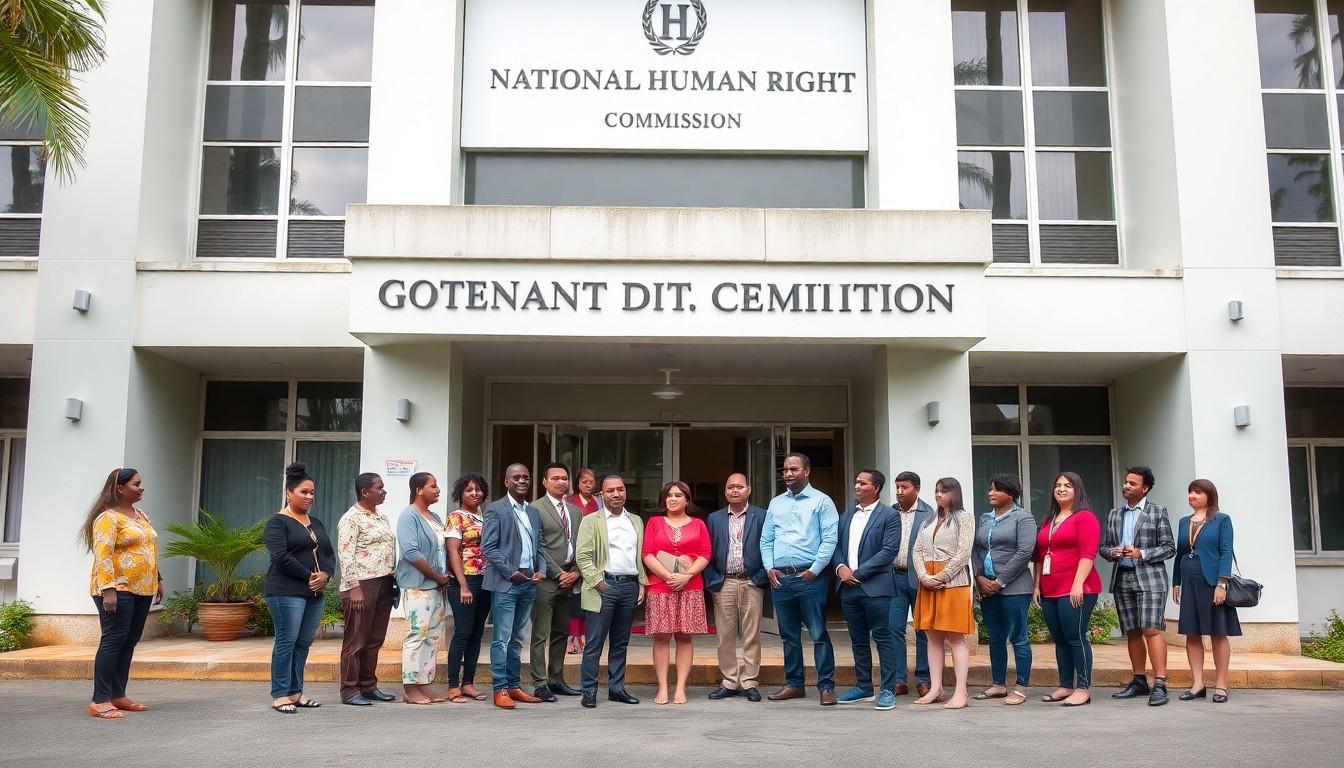
Celebrating a legal pivot, activists and allies across Mauritius are applauding a National Human Rights Commission position paper that affirms the freedom to marry for same-sex couples , a move that could reshape family life, legal protections and social inclusion for LGBTQIA+ people across the island.
Essential takeaways
- NHRC endorsement: The National Human Rights Commission has issued a position paper supporting marriage rights for two same-sex couples, sparking widespread civil society praise.
- Practical impact: Legal recognition would affect inheritance, healthcare decisions, parental rights and day-to-day security for couples.
- Broader agenda: Groups are urging parallel progress on legal gender recognition and protections for trans and gender-nonconforming people.
- Community reaction: Organisations from Young Queer Alliance to Collectif Arc‑en‑Ciel welcome the move as a human‑rights milestone, calling for respectful national dialogue.
Why this NHRC paper matters now
The simple, human detail that makes this feel real is this: marriage isn’t just a ceremony, it’s paperwork that shields families when life gets complicated. According to local campaign groups, the National Human Rights Commission’s paper in favour of same‑sex couples’ freedom to marry is a legal and symbolic nudge forward. Collectif Arc‑en‑Ciel and other groups say the move builds on earlier court rulings that recognised constitutional protection from discrimination, and now pushes the conversation into family law and everyday protections.
This matters because thousands of couples currently live without the clear legal tools that marriage provides , for wills, hospital visits, or social security entitlements. Activists argue that recognition will reduce harm and add practical security to lives already being built together.
What activists are saying , unity, dignity, and momentum
Across the island, community groups have framed the NHRC position as a victory for dignity. Young Queer Alliance celebrated the paper as proof that diversity is Mauritius’s strength and urged continued work to end legal exclusion. RekonekT and ekiT emphasised that recognition is about belonging and survival as much as symbolism, while Gender Links highlighted the link between marriage equality and broader gender justice.
These statements show a coordinated push: marriage equality is being presented not as an isolated demand, but as one plank in a wider equality agenda that includes trans rights and anti‑discrimination enforcement.
The practical changes marriage recognition would bring
Think less about fireworks and more about paperwork , the most immediate differences would be legal certainty for inheritance, parental responsibility, hospital decision‑making and social benefits. For many couples, that translates into quieter, everyday security: you can make medical choices for your partner, inherit without legal wrangling, and have clear parental standing.
Campaigners point out that legal reform should be mindful of family size, religious sensibilities and cultural contexts; a staged, consultative approach is likely to win broader public understanding and reduce backlash.
What about trans and non‑binary recognition?
Several organisations have urged that marriage equality not be a standalone reform. ekiT and RekonekT, which work closely with trans and gender‑nonconforming communities, said the NHRC’s recommendation to open a national dialogue on trans rights is an encouraging next step. Legal gender recognition, they say, will be essential so that all people can participate fully in civic and economic life.
Policy experts and activists suggest forming a national committee or public consultations to ensure that any changes to marriage law sit alongside clear routes to legal gender recognition, anti‑discrimination enforcement and support services.
The wider context: global precedents and local culture
Activists remind us that more than three dozen countries have already extended marriage to same‑sex couples, and they point to evidence that inclusion strengthens social cohesion and harms no one. Locally, Collectif Arc‑en‑Ciel and others ask for respectful dialogue that recognises Mauritius’s cultural and religious diversity while upholding constitutional guarantees of liberty and equality.
Expect debates in parliament, possible legal challenges, and a public conversation that will test how quickly legal language turns into lived protections. For campaigners, the paper is a legal foothold; for opponents, it will be a moment to mobilise. Either way, the discussion is no longer only in courtrooms or activist circles , it’s on the national agenda.
It's a small change that could make every marriage certificate mean more , and safer , for more Mauritians.
Source Reference Map
Story idea inspired by: [1]
Sources by paragraph: