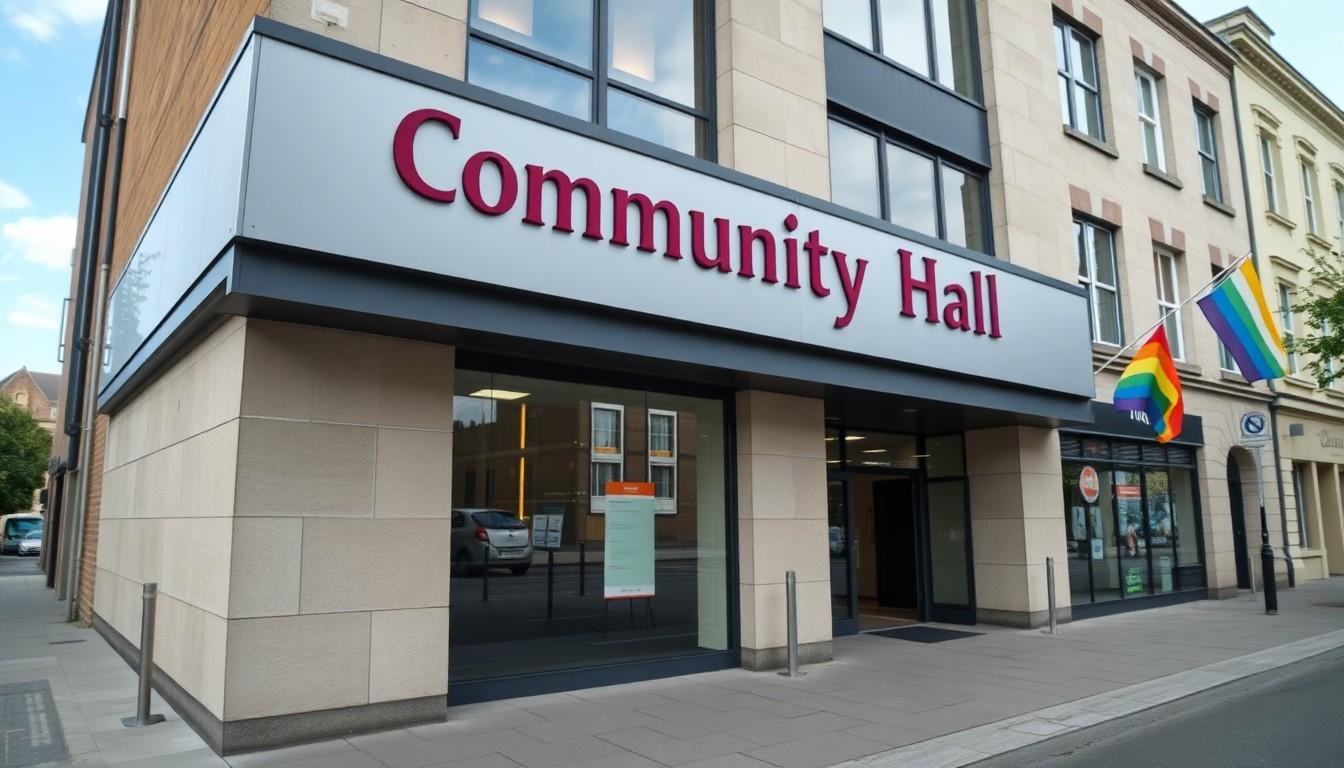
Notice a shift: gay voters in parts of Europe and the US are trending towards right‑wing parties, driven less by culture wars than by concerns about Islamist extremism, immigration and tensions with contemporary transgender politics , a development that matters for safety, rights and political alliances.
Essential Takeaways
- Growing shift: Polling and reporting show a notable movement of gay men and some lesbians toward right‑leaning, anti‑immigration parties in parts of Europe.
- Security concern: High‑profile attacks on gay venues have sharpened fears that militant Islamist extremism poses an existential threat to LGBTQ people.
- Identity friction: Increasing discomfort with trans ideology and the LGBT+ umbrella is pushing some previously left‑aligned gay voters to rethink alliances.
- Practical politics: Parties attracting these voters are often focused on immigration and law‑and‑order rather than LGBT celebration gestures.
- Local flavours: The pattern varies by country and demographic: gay men in France, Germany and the UK show stronger shifts than lesbians in many places.
What triggered this realignment? A string of violent wake‑up calls
Violent attacks on gay venues in Orlando, Oslo and recently at Berlin Pride have left a vivid, painful impression on many in the community; the fear feels immediate and tactile. Reporters in Spain and Norway, among others, have chronicled how these incidents pushed security and cultural compatibility to the top of voters’ minds. For many, the reassuring narratives from mainstream LGBT organisations that distance such attacks from Islam now sound out of touch with lived danger. That dissonance makes people rethink where to place their votes.
From Pim Fortuyn to today: the story isn’t entirely new
The debate has a long thread. Pim Fortuyn, a gay Dutch critic of Islamisation, warned decades ago that cultural friction could undermine liberal values , and paid the ultimate price. The memory of that era lingers in public discourse and helps explain why some gay voters are receptive to parties that foreground cultural cohesion and stricter immigration rules. Contemporary coverage and think pieces suggest the conversation has simply resurfaced with fresh urgency after repeated attacks and demographic change in some cities.
Why it’s not just about flags and parades
Many of the parties now attracting these voters aren’t selling rainbow choreography; they’re selling border control, policing and the preservation of certain civic norms. That resonates with a constituency that wants safety and the freedom to live openly without fear. Political analysts note that visible gestures like pride parades or rainbow crosswalks feel performative to voters who prioritise substantive protections. So the appeal is pragmatic rather than purely ideological.
Identity politics and a frayed coalition
Alongside security fears, a growing rift over transgender issues is reshaping voter identity. Some gay people feel the broader LGBT+ coalition no longer represents their interests, especially over matters like public spaces, single‑sex provisions and the medicalisation of minors. That philosophical tension , about whether sexual orientation and gender identity are compatible political causes , is nudging a segment of gay voters toward parties perceived as defending sex‑based rights and biological realities.
What this means for voters and parties , practical advice
If you’re a voter trying to make sense of the change, start with safety and policy priorities: assess parties on concrete proposals for policing, community safety, integration and children’s welfare, not just rhetoric. Gay organisations could rebuild credibility by acknowledging security concerns while still defending civil liberties. For parties, courting this cohort requires more than token gestures; it means offering policies that balance integration with rights protections and showing respect for plural opinions within the LGBT community.
It's a small change that can make a big difference to how gay people judge politics and who they trust to keep them safe.
Source Reference Map
Story idea inspired by: [1]
Sources by paragraph: