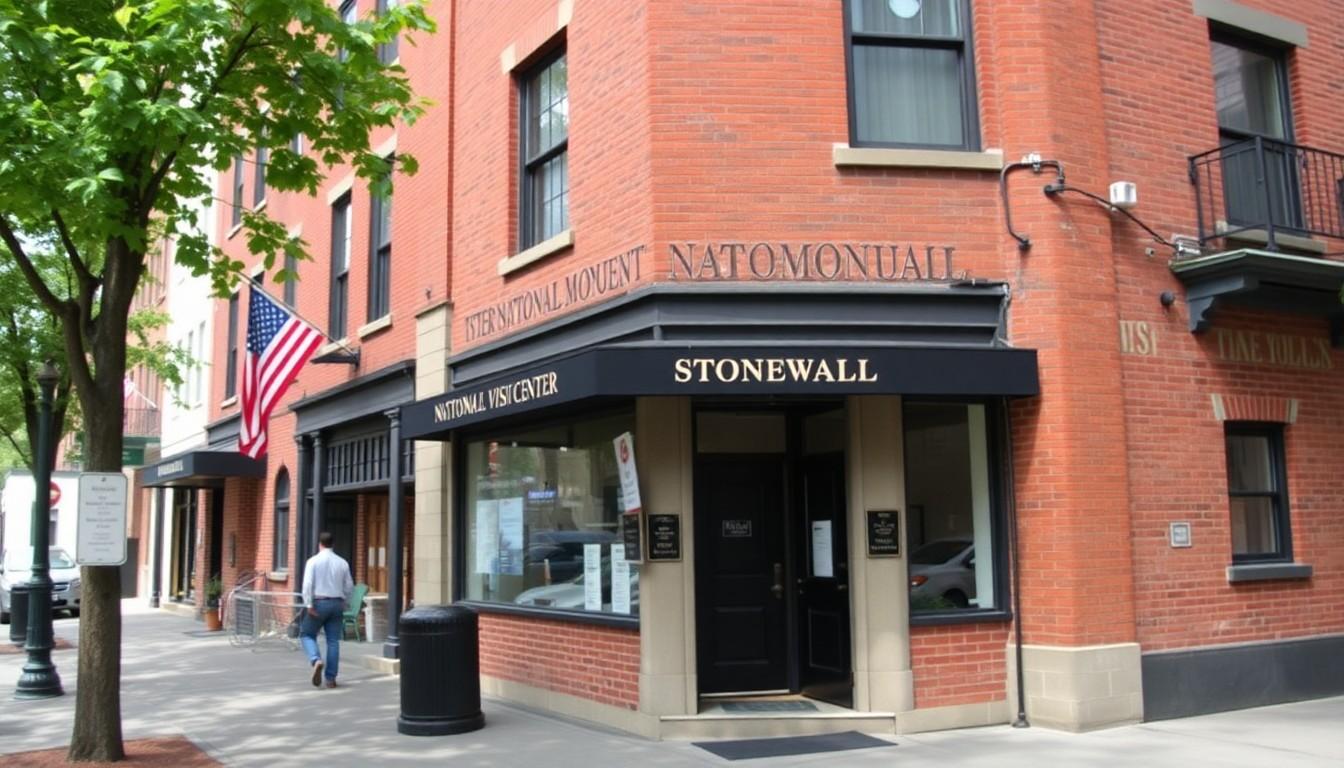
Shoppers of stories and local history buffs are flocking to Village Preservation’s free August lineup, which spotlights Stonewall, Elizabeth Cady Stanton, immigrant journeys, Revolutionary-era Greenwich Village, and a three-decade photographic archive, perfect for anyone who wants to see how people, place and protest shaped these neighbourhoods.
Essential Takeaways
- Free public events: Village Preservation runs more than 80 programs yearly; August features multiple no-cost talks, tours and a guided archive tour.
- Stonewall Visitor Centre tour: A guided visit connects artefacts, multimedia and personal stories to the 1969 uprising and ongoing LGBTQ+ activism.
- Deep history across eras: Program topics range from Indigenous and Revolutionary-era ties to 19th-century reformers and early 20th-century immigrant communities.
- Visual archive milestone: The organisation’s Historic Image Archive now totals roughly 5,700 photos spanning thirty years, rich, often surprising street-level detail.
- Practical and local: Mix of online lectures and in-person tours; good for families, students and anyone planning a Village walking day.
Why Stonewall’s Visitor Centre still feels essential
The Stonewall National Monument Visitor Centre offers a quiet, focused place to absorb a pivotal moment in modern civil rights, and the exhibitions have a human, tactile feel that lingers. According to the centre’s own materials, visitors can see artefacts, watch multimedia installations and read firsthand accounts that place the 1969 uprising in a living neighbourhood context. The guided tour on 7 August is great if you prefer stories told by a knowledgeable host rather than a hurried read-through. If you’ve never been, expect an emotional mix, objects that look ordinary, stories that are anything but, and leave with a clearer sense of why Greenwich Village became a hub for LGBTQ+ culture and activism.
Elizabeth Cady Stanton: a radical you didn’t learn in school
The August 18 programme on Elizabeth Cady Stanton reframes a familiar name by showing the breadth of her campaigns beyond suffrage. Village Preservation places Stanton in the 19th-century political swirl that reshaped everyday life, marriage law, property rights and public speech all came under her scrutiny. For practical visitors, this talk is useful if you’re trying to connect local sites with broader reform movements; it’s also a reminder that revolutions unfold in salons and meeting halls as much as on battlefields. Expect a lively treatment that resists hagiography and highlights contradictions as much as achievements.
Revolutionary Greenwich Village: a shoreline of stories
The online lecture “Freedom’s Edge” takes a different tack by mapping the Revolutionary era onto the current Village landscape, beginning at the mouth of Gansevoort Street. This is history with texture: period maps, archival paperwork and personal narratives that reveal Lenape presence, Dutch colonisation and the 1783 departure of thousands of Black Loyalists from that very waterfront. The programme reframes the Semiquincentennial by focusing less on generals and more on the people who lived, worked and crossed those shores. If you’re planning to walk the neighbourhood afterwards, this talk supplies the kind of backstory that makes pavements feel like layered pages of a book.
Immigrant journeys that built the Village’s everyday life
On 25 August, the lecture about immigrants between 1880 and 1924 traces how tenements, shops, synagogues, churches and mutual aid societies stitched the Village and East Village together. Stories of food, language and small businesses come to the fore, and you’ll leave with a sharper sense of why so many corner stores and cultural institutions still feel rooted in those early waves. For anyone curious about genealogy, urban change or the origins of local festivals and markets, this programme points you toward records, neighbourhood landmarks and simple ways to look for traces of immigrant life when you next stroll the streets.
Thirty years, 5,700 pictures: why the photo archive matters
The archive tour with Executive Director Andrew Berman is a can’t-miss for visual people; three decades of collecting have produced roughly 5,700 images that chronicle streetscapes, façades, storefronts and faces. Village Preservation uses this visual trove for advocacy and research, showing how a single photograph can shift thinking about a building or a block. Practically, the session is useful if you’re researching a property, tracing a family business or just love before-and-after neighbourhood shots. Expect some visual surprises and a few favourite finds revealed live, photos that make you stop and imagine the Village at a different tempo.
How to make the most of August’s programmes
Plan a mini-Village day: take the Stonewall tour, stroll the neighbourhood, then catch an online lecture to add context. Registration is encouraged for free events, and bringing a notebook or phone to photograph displays or maps helps cement details. If you’re after accessibility, check event pages, some talks are online, others in person, and organisers often list captioning or other supports. Finally, combine programmes: the archive tour pairs well with the immigrant-history talk if you want photos to illustrate people’s stories.
It’s a small change that can make every walk through the Village feel a little more vivid.
Source Reference Map
Story idea inspired by: [1]
Sources by paragraph: