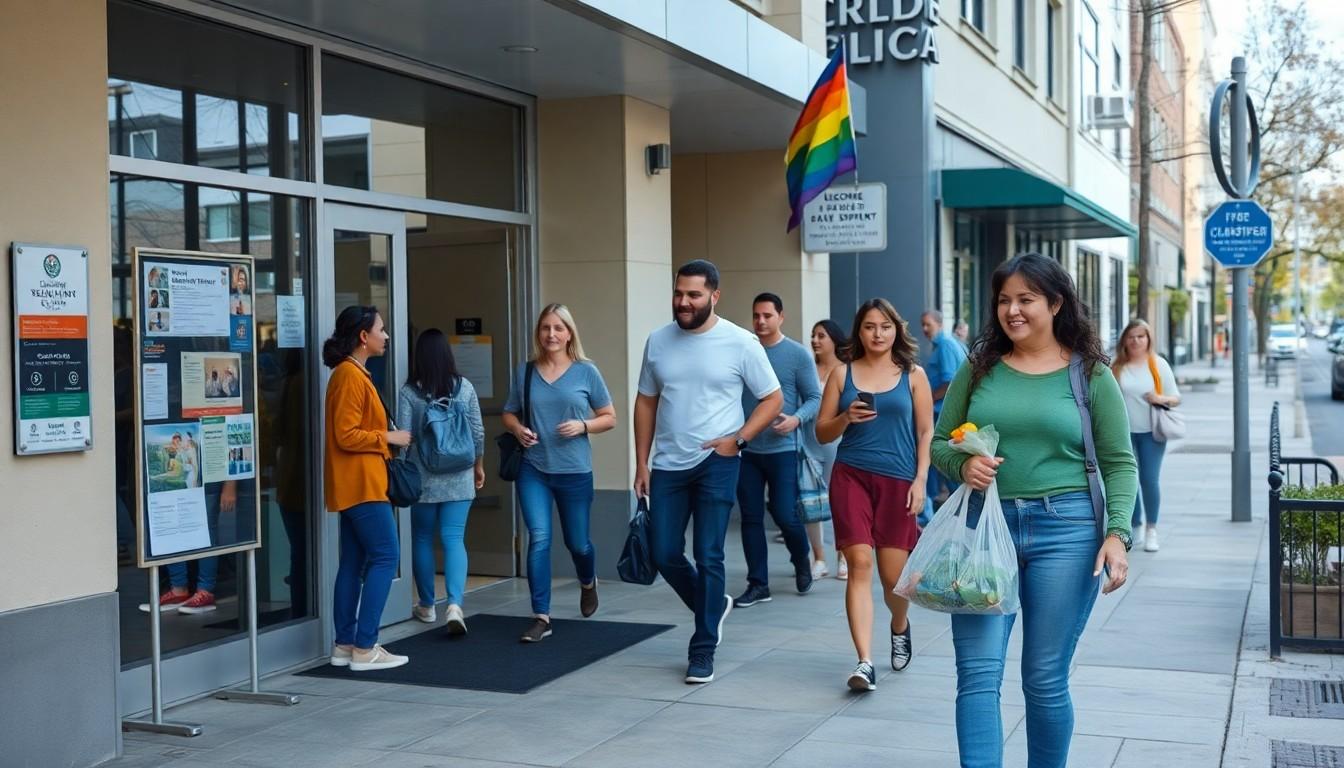
Noticing a troubling twin trend, researchers and advocates say LGBTQ people are facing higher rates of depression and obesity , and the causes are social, not intrinsic. Here’s what’s driving the rise, how care often fails, and practical steps families, clinicians and communities can take to help.
Essential Takeaways
- High prevalence: LGBTQ populations show markedly higher rates of major depressive disorder than the general population, according to recent meta-analyses and reviews.
- Social roots: Discrimination, rejection and “minority stress” , chronic, identity-based stress , are major drivers of mental and physical health problems.
- Coping links: Emotional eating and disrupted sleep from depression and stress contribute to weight gain; obesity can then worsen isolation.
- Care gaps: Many LGBTQ people avoid healthcare because of misgendering, prejudice or confidentiality worries, making early intervention less likely.
- Practical fixes: Family acceptance, inclusive healthcare, targeted mental health support and community-level anti-stigma work reduce risk and improve outcomes.
Why the numbers are so stark , and what "minority stress" feels like
Researchers report substantially higher rates of depression among LGBTQ people, and clinicians see the toll in clinics: restless sleep, flattened mood, and a tendency to seek comfort in high-sugar or high-fat foods because they soothe, however briefly. According to psychologists who study stigma, this isn’t about sexual orientation itself but about chronic social pressure. The Minority Stress framework explains how repeated microaggressions, overt discrimination and the need to monitor one’s appearance or behaviour create relentless background anxiety. That relentless feeling , like being slightly on edge all the time , eventually rewires sleep, appetite and mood circuits, pushing some towards emotional eating and weight gain.
How rejection and appearance pressure feed both depression and weight gain
When family or peers refuse to accept someone, the sense of shame can be crushing, and social withdrawal becomes a survival tactic. Simultaneously, many LGBTQ communities and subcultures carry appearance ideals , lean, muscular or otherwise “perfect” , that put extra pressure on members. The double bind is obvious: if you can’t achieve an ideal, you may feel worthless; if you isolate, you may soothe yourself with comfort food. Over time that pattern links depressive symptoms and obesity in a reinforcing cycle. Understanding that loop helps clinicians target both mood and behavioural strategies at once.
Biological pathways: stress hormones, sleep and longer-term health
Chronic stigma doesn’t just hurt feelings, it changes bodies. Repeated stress spikes cortisol, disturbs circadian rhythms and alters metabolism and inflammation , mechanisms linked to both depression and weight gain. Recent reviews of the literature point to biological pathways that make gender-minority and sexual-minority people particularly vulnerable after prolonged exposure to discrimination. That means interventions need to be holistic: addressing mental health alone won’t fully help if sleep, hormonal balance and social context remain untreated.
Why many LGBTQ people avoid healthcare , and how services can improve
Too often, healthcare settings compound the problem through misgendering, dismissive attitudes or refusals to acknowledge same-sex partners as primary support. Those experiences drive avoidance, delayed care and untreated conditions. Clinics and practices that adopt visible inclusive behaviours , correct pronoun use, staff training, clear nondiscrimination policies and confidential intake forms , see better engagement. Practical tip: if you work in health services, put inclusivity on the paperwork and front desk first; patients notice small cues and respond to them.
Real-world fixes: from family support to community-level change
Acceptance and social support are powerful buffers. Studies show that people who feel affirmed by family and peers report fewer depressive symptoms and healthier behaviours. Schools, workplaces and faith groups that teach empathy and explicitly reject discrimination change trajectories for young people. For individuals, simple coping tools work too: structured sleep routines, mindful eating practices, and access to therapists who understand LGBTQ experiences. Policy change matters as well , anti-discrimination protections, inclusive public health messaging and targeted funding for LGBTQ mental-health services make a measurable difference.
What to do if you or someone you care about is struggling
Start with empathy and practical help: ask how they want to be supported, help find an LGBTQ-affirming clinician, and encourage small routines that restore sleep and appetite regulation. If safety is a concern, prioritise immediate support. Community groups and peer networks are often the first place people find nonjudgmental help, so signposting to local services can be lifesaving. Over time, collective change , less stigma, better healthcare, more visible support , makes these individual steps easier to sustain.
It's a social problem with social solutions; small changes at home and in clinics add up to healthier lives.
Source Reference Map
Story idea inspired by: [1]
Sources by paragraph: