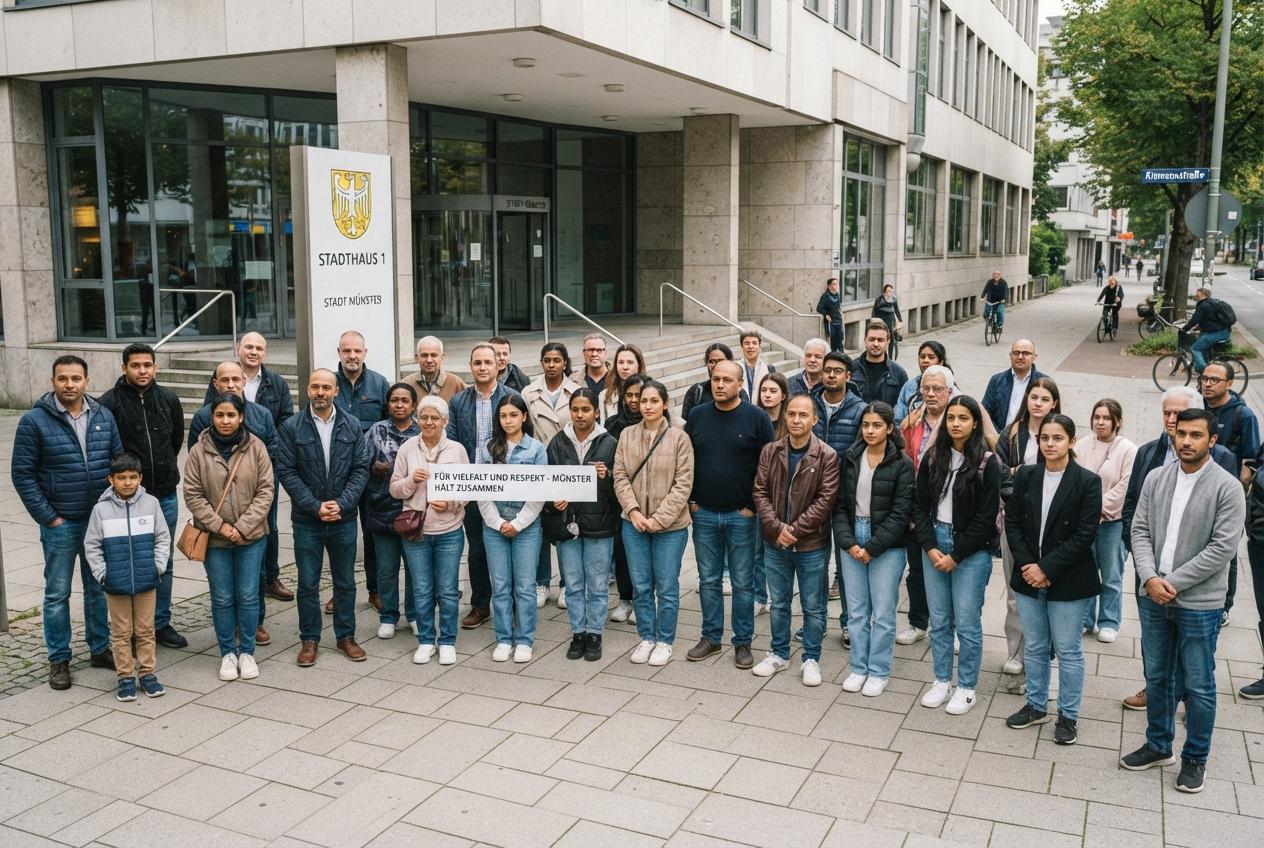
Shoppers and residents alike have watched Münster turn grief into action: organisers, police and grassroots groups are bolstering safety and support ahead of the city’s CSD, after a string of violent attacks that shook the community and reignited calls for stronger protections. Here’s what’s changed, why it matters and how to join in.
Essential Takeaways
- Community-led support: Local groups set up hotlines, open meet-ups and an Awarenessnetz to offer immediate care and advice.
- Visible solidarity: Pride stickers, rainbow walkways and inclusive traffic lights give a hopeful, colourful feel across the city.
- Stronger safety measures: Police and organisers increased staffing, barriers and awareness personnel for CSD parades and events.
- Training and dialogue: The police now run diversity sensitivity training, appoint queer officers and meet regularly with community representatives.
- Ongoing needs: Organisers want sustained funding, structural protections and a ban on discrimination against queer people in the constitution.
Why Münster is a focal point for queer safety , and why it hurts
Münster’s CSD scene has a long, proud history, but recent events have left the city raw and determined. The murder of a young trans man in 2022 and a deadly attack near Berlin’s CSD have reopened old wounds, and residents say the pain is tangible , you see it in the quiet bouquets at memorials and hear it in strained voices at community meetings. Those visceral reminders have pushed people beyond mourning into organised action.
Organisers and volunteers describe nights spent driving to vigils and coordinating support across networks. That mobilisation isn’t performative; it’s practical. People are offering phone support, opening safe spaces like the A.Cat bar and connecting victims with counselling. If you’re affected, there are places and people ready to listen.
What the Awarenessnetz and grassroots groups actually do
The Awarenessnetz grew directly out of the need to turn grief into protection. It develops awareness concepts for events, runs trainings and fields a hotline that suddenly won’t stop ringing , from private citizens seeking ways to help, to institutions asking for workshops. That hands-on approach means organisers can scale support quickly and share what works with smaller towns around NRW.
This isn’t just charity. It’s expertise: volunteers teach stewards how to spot escalation, run de-escalation drills and advise on layout to keep crowds safe. If you’re planning to attend a march, look for events advertising awareness staff and clear reporting channels , it makes a real difference.
How policing and official bodies have changed , and where tensions remain
Münster’s police publicly acknowledge they weren’t always perceived as an ally. Since the 2022 attack they’ve set up queer liaison officers, added annual round-tables with community reps and introduced internal diversity training. Officials say they now hoist the Pride flag on special days and try to respond faster to concerns.
Still, trust is fragile. Some community members say gestures don’t always match lived experience, noting continued incidents of verbal abuse outside the “bubble” of solidarity. Authorities also warn that higher-profile attacks have forced them to step up security in ways that can feel heavy-handed. The balance between visible protection and a celebratory, open parade is tense, and organisers are working to keep both safety and atmosphere.
What the city looks and feels like now , signs of solidarity on the street
Walk through Münster and the change is striking: lamp-posts plastered with pride stickers, rainbow strips across the harbourplatz and inclusive pedestrian symbols. These touches are small but emotionally potent; they reassure people that the city acknowledges queer lives. They also help normalise visibility in everyday spaces.
But visibility brings risks. Outside friendly zones, people report catcalling, spit and insults. The rise in recorded queerphobic offences nationally and regionally underlines that many attacks go unseen. That’s why organisers keep pushing for structural changes , funding for outreach, safer public infrastructure and education in schools and clubs.
Where the debate goes next , law, funding and long-term prevention
Beyond immediate safety, activists are calling for legislative recognition and a constitutional ban on discrimination for queer people. They’re asking city officials for dedicated budgets to sustain awareness work, long-term training for public servants and meaningful dialogue with sports clubs and other local institutions.
The mood is resolute rather than despairing. As one organiser puts it, you can channel grief into systems that reduce harm. If you want to help, volunteer for stewards, donate to local support networks or attend workshops , small acts add up to long-term resilience.
It's a small change that can make every Pride safer and more inclusive.
Source Reference Map
Story idea inspired by: [1]
Sources by paragraph: