Shoppers are turning to nuanced advice as headlines swirl , LGBTQ+ travellers still visit Türkiye in large numbers, but it's important to know where to go, what to expect, and how to stay safe while enjoying history, coastlines and lively city culture.
Essential Takeaways
- Visibility varies by city: Istanbul retains the strongest queer scene; Bodrum, Çeşme and Antalya offer more relaxed, tourist-focused atmospheres.
- Legal reality is mixed: Same‑sex activity is legal, but there’s no marriage, civil unions or nationwide anti‑discrimination protection.
- Practical caution helps: Be discreet with public displays of affection, avoid demonstrations, and prefer established hotels and venues.
- Community support exists: Local NGOs and groups provide legal advice, events and cultural programming for residents and visitors.
Istanbul still feels like Türkiye’s queer heart , but it’s quieter now
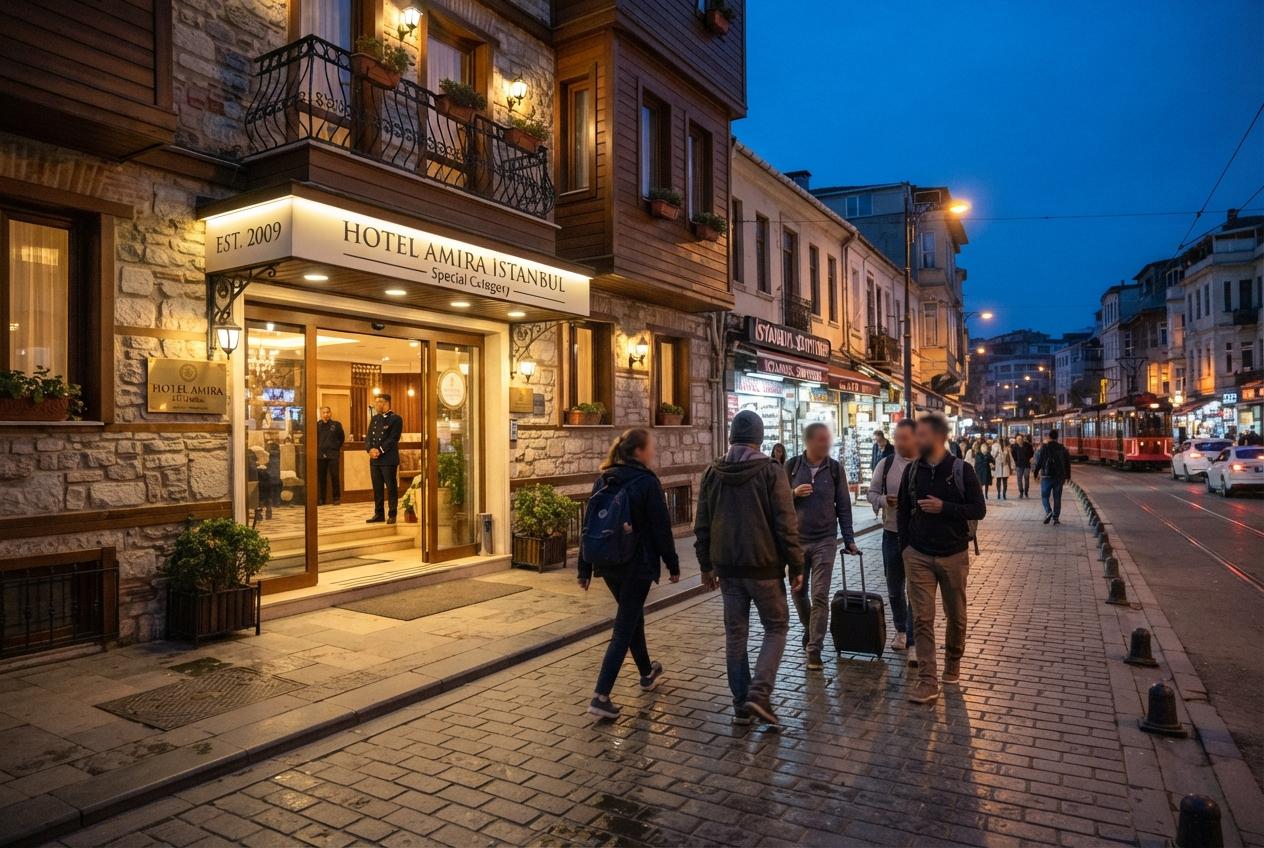
Istanbul’s neighbourhoods , Beyoğlu, Cihangir, Karaköy and parts of Kadıköy , remain where most LGBTQ+ life is visible, with cosy cafés, bars and late‑night clubs that feel familiar and welcoming. You’ll notice a resilient, intimate vibe rather than the large, commercial “gay villages” common in some European cities; it’s a woven‑in feel, not a branded enclave.
That resilience is partly historical and partly cultural: Turkey decriminalised same‑sex activity in the 19th century, and a creative, expatriate and student population keeps nightlife and arts alive. Still, owners and regulars report smaller crowds than a decade ago, so expect fewer late‑night throngs and more tucked‑away favourites.
If you want nightlife, stick to known venues, book tables in advance and check local listings , smaller venues can change policy quickly when pressure ramps up. For sightseeing and dining, mainstream restaurants and rooftop bars in Beyoğlu welcome a mixed crowd and rarely make a fuss.
Coastal resorts: cosmopolitan comfort, with local limits
Bodrum, Çeşme and parts of Antalya attract international visitors who come for beaches, boutique hotels and relaxed terraces. These resorts are used to foreign guests and generally offer professional, courteous service; think stylish beach clubs, boutique stays and mellow café culture.
That said, attitudes outside tourist hubs shift quickly. Public displays of affection are uncommon in more conservative coastal towns, so keeping gestures low‑key makes sense. Choose international chains or well‑reviewed boutique hotels if you want discretion at check‑in; smaller family‑run pensions can be warm, but they might be more conservative.
For couples seeking privacy, private beach clubs or villa rentals are sensible options , they let you relax without worrying about local sensitivities while still enjoying the Aegean sun.
Legal and political context: what the paperwork doesn’t show
Turkey’s legal picture is complicated: same‑sex relations have been legal for many years, but there’s no recognition of same‑sex marriage or civil partnerships, and national anti‑discrimination protections are lacking. Recent political rhetoric and actions against public LGBTQ+ events mean Pride marches and public demonstrations are frequently restricted.
Human rights groups and international reporting paint a picture of increasing pressure in public life, even as many LGBTQ+ people live openly in private and among friends. That means your day‑to‑day experience can be calm in tourist zones, but the legal backdrop can change quickly.
Before travel, check official advisories from your government and follow updates from local NGOs for the most current guidance. If you run into legal trouble, documented contacts with organisations that provide legal support can be helpful.
Community resources and local allies you can trust
Despite pressure, several organisations continue to offer support, advocacy and cultural programmes. Established groups publish guidance, run events and can point visitors toward safe venues or legal help when needed. They’re also a great way to meet locals and learn about underground arts and community initiatives.
Look up local LGBTQ+ associations for current event listings, and consider tours or experiences run by queer‑friendly operators if you want a guided, low‑stress way to see sights like Cappadocia or Ephesus. These options balance cultural curiosity with a layer of local knowledge that helps you avoid awkward situations.
Simple safety habits that make trips smoother
Most Western travellers visit without incident, especially in major cities and tourist resorts, but sensible precautions reduce stress. Keep public affection discreet, especially outside Istanbul; avoid photographing police or demonstrations; and stay aware of local news during your visit.
Also, pick accommodation with clear cancellation and privacy policies, carry a list of emergency contacts, and have a plan for changing travel arrangements if local events shift suddenly. Booking private tours or guided experiences can make historic sites feel safer and more enjoyable.
Closing line It’s not a simple yes or no , with a bit of planning and situational awareness, Türkiye can still reward LGBTQ+ travellers with remarkable food, dramatic landscapes and vivid city life.
Source Reference Map
Story idea inspired by: [1]
Sources by paragraph: