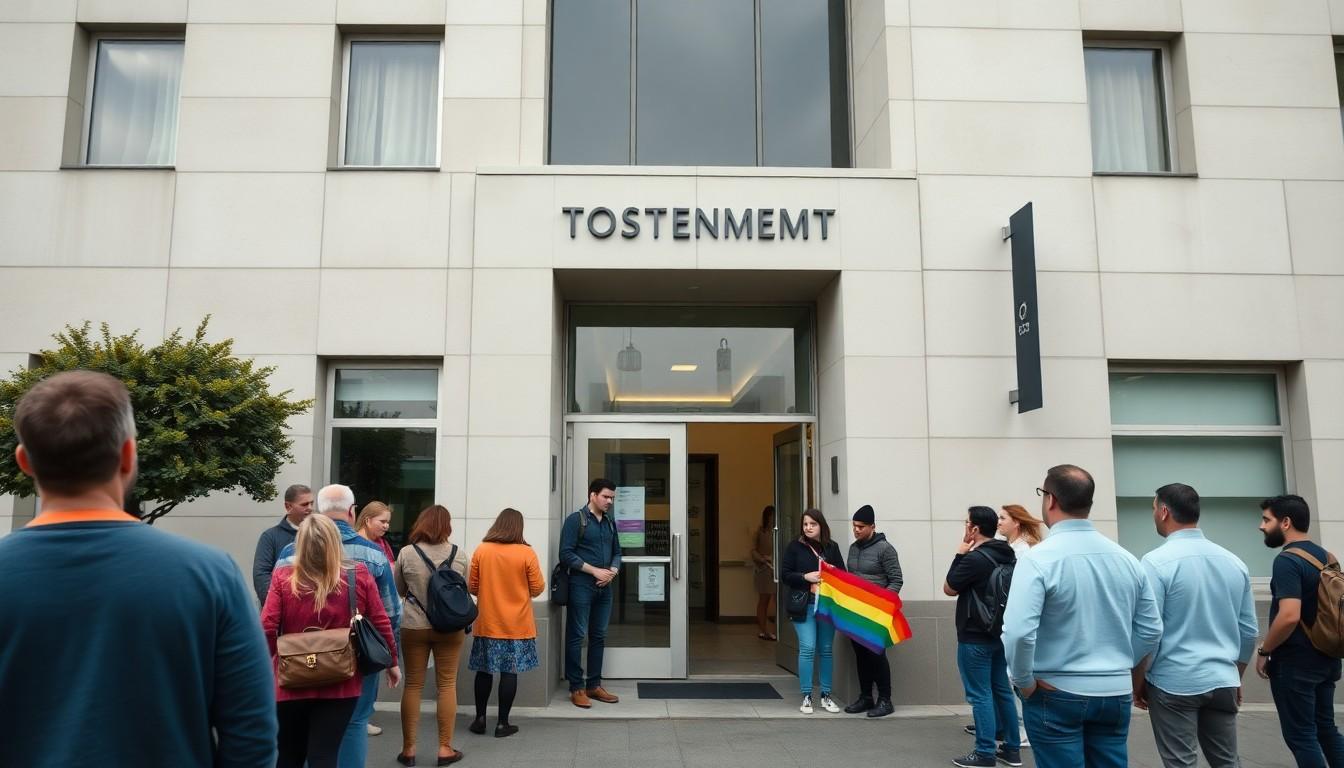
Shoppers for justice are turning their attention to Tasmania as the state launches a targeted awareness push to help people harmed by historic homosexuality and cross-dressing laws apply for financial redress , a practical move that could change lives, recognise past harms and remove old convictions.
Essential Takeaways
- Who benefits: People charged or convicted under Tasmania’s former laws criminalising consensual homosexual activity or cross-dressing may be eligible for expungement and payment.
- Payment levels: Indexed payments now reach up to about $77,911 for those who received a sanction such as imprisonment, with smaller amounts for charges without conviction.
- Application help: You don’t need to remember every detail; the Department of Justice will seek records and applications can be confidential, online or by post.
- Relatives can act: Partners or eligible representatives can apply to expunge records for deceased people, though no payment is made in those cases.
- Support exists: The campaign was developed with LGBTIQA+ groups and aims to reach people who may not realise redress is available.
Tasmania’s bold move , a first for Australia
Tasmania is the first Australian jurisdiction to link expungement of historic homosexuality and cross-dressing offences to automatic financial redress, and that matters emotionally and practically for many survivors. The scheme, opened in late 2025 and adjusted for indexing in 2026, recognises that arrests and prosecutions caused long-term damage , loss of jobs, housing barriers and forced outing.
The current payment tiers reflect the seriousness of the outcome for the individual. That means the people who suffered imprisonment or other sanctions receive the largest payments, while those charged but not convicted still receive acknowledgement. It’s not perfect, but it’s a concrete statement that the state accepts responsibility.
How the application process works , don’t let gaps stop you
You won’t be expected to produce a perfect memory of legal events from decades ago. The Department of Justice asks applicants to give whatever details they can; officials then check police and court records and may take statutory declarations if records are incomplete. Most applicants won’t need to appear in court or relive trauma in public.
Confidentiality is built in: only officials involved in assessing applications get access to paperwork, and unauthorised disclosures are an offence. If an application is refused, there’s a path to review through the Tasmanian Civil and Administrative Tribunal. Practical tip: gather any old paperwork, letters or witness contacts you have, but don’t let missing dates or vague memories stop you from applying.
Money matters , what the indexed payments mean
The redress amounts were set originally as fixed bands and then indexed each year. As at 1 July 2026, available payments run from roughly $15,582 for charged-but-not-convicted applicants through $46,746 for convictions without further sanction, to about $77,911 where sanctions were imposed.
A successful applicant receives the single highest payment for which they qualify, even if multiple charges are expunged. That makes it important to apply for all eligible records at once, where possible. For people who lived with the shame and concrete barriers that historic convictions brought, this is both symbolic and materially useful money.
Deceased people and those lacking capacity , paths to acknowledgement
If the person who suffered has died, a spouse, partner or other authorised representative can apply to have the record expunged and receive formal acknowledgement, though no payment is provided. That’s meaningful for families who want the stigma removed from a relative’s name, even when compensation isn’t possible.
Likewise, representatives can apply for living people who lack legal capacity, and those applicants can still receive payments if the expungement succeeds. It’s a thoughtful detail in the legislation that widens access for those who might otherwise be excluded.
Why campaign outreach matters , reaching people who may not know
Advocates say the awareness campaign is vital because many people don’t realise old charges can now be wiped and compensated. Equality Tasmania helped shape the campaign and has emphasised that this is about acknowledgement and justice for those who were persecuted. The publicity push aims to reach older people, those living rurally and anyone unlikely to follow law reform headlines.
For survivors, the scheme can’t undo what happened, but it does offer formal recognition and a practical lifeline. If you or someone you know may be affected, this is a moment to act , the application process is designed to be accessible and to minimise retraumatisation.
It's a small change that can make every restored record and redress payment feel like real recognition.
Source Reference Map
Story idea inspired by: [1]
Sources by paragraph: