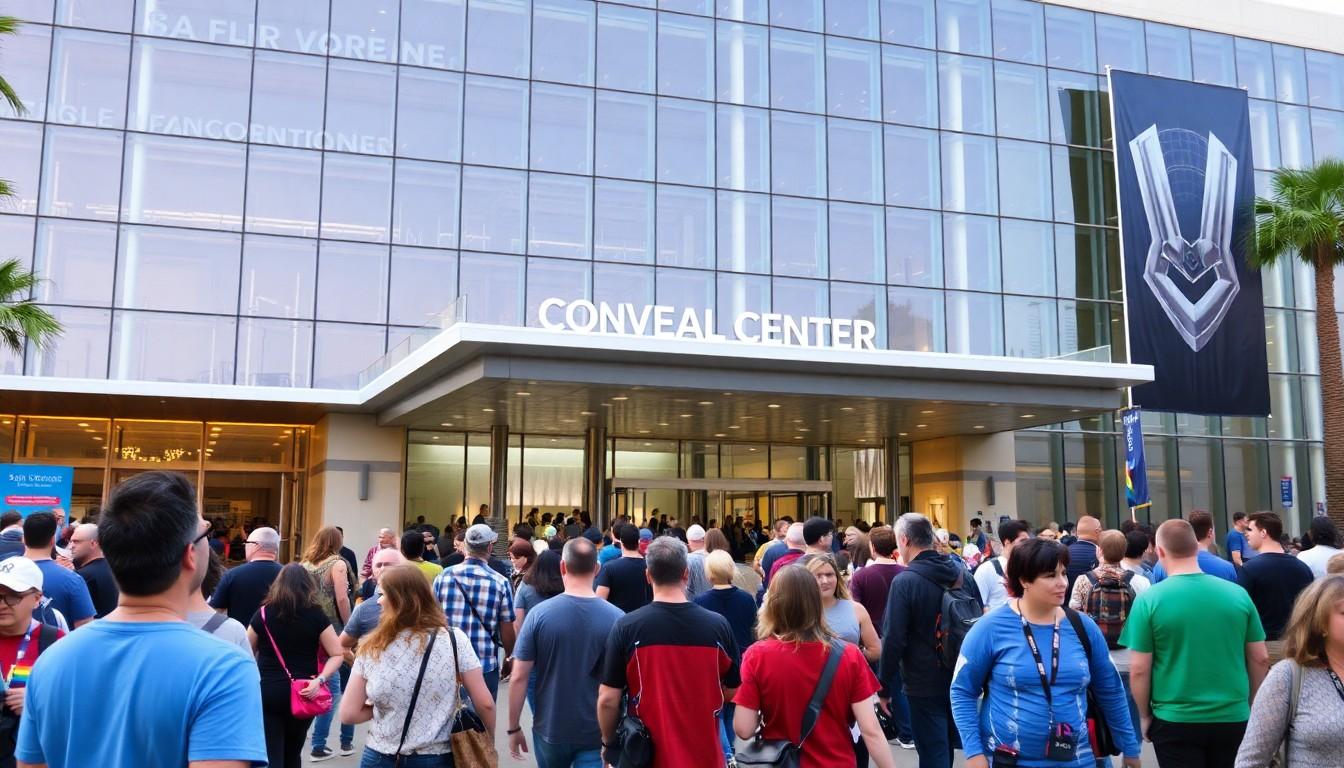
Shoppers and fans alike are returning to the bridge , not for new TV slates, but for what Star Trek has always promised: visible queer stories, inclusive casting and a community that refuses to be written out. At conventions and panels this year, actors and fans argued that diversity still matters, even as corporate changes leave the future uncertain.
Essential Takeaways
- Historic firsts: Star Trek has recently introduced its first out gay Klingon and cast trans and disabled actors in significant roles, creating vivid, relatable moments on screen.
- Emotional impact: Fans report that simple gestures , a kiss, a named queer character, a familiar face , trigger strong joy and validation.
- Community energy: Conventions like Trek Long Island are running robust DEIA programming, with panels, drag shows and accessibility-focused talks that feel warm and inclusive.
- Corporate concern: Mergers and new ownership at Paramount Skydance have many fans and cast members worried that queer representation could be deprioritised.
- Practical hope: Creators and actors urge fans to keep watching, attending conventions and supporting queer-led storytelling to keep momentum alive.
A festival of emotion: why conventions feel like home for queer Trekkies
Conventions this summer felt less like merch bazaars and more like communal living rooms where queer fans could breathe. Panels were full of hugs, tears and the kind of excited chatter that only comes when people recognise themselves on screen. Trek Long Island, for instance, staged drag shows and a story hour, and ran sessions on disability and mental health that drew standing-room crowds.
That closeness matters because representation isn’t just about boxes on a casting form; it’s about the tiny gestures that say you belong. According to convention organisers and attendees, those moments are becoming rarer on mainstream outlets, and so fans flock to events where they still happen in person.
Practical tip: if you want to support visibility, attend local conventions, panels and community screenings , they amplify the demand for inclusive stories.
New characters, old promise: queer ground broken on screen
Recent seasons have dared to cast beyond the old norms: a gay Klingon, a blind chief engineer played by a blind actor, and nonbinary characters who aren’t defined solely by their gender. These choices echo Star Trek’s founding ideal , IDIC, Infinite Diversity in Infinite Combinations , and bring it into 21st-century casting practices.
Fans and critics note that when a franchise like Star Trek casts authentically, the representation lands differently , it feels lived-in, not tokenistic. Industry commentary and fan reaction show these scenes produce real-life ripples: people messaging to say they felt free to come out, or that they saw themselves for the first time.
Practical tip: when choosing what to watch, seek out episodes credited with authentic casting or creators who consult with the communities they depict.
Backlash and gatekeeping: the pushback that still surfaces
Not everyone welcomed these changes. Online backlash greeted the introduction of a gay Klingon, and some viewers accused newer episodes of being “too woke.” That tension is hardly new; Star Trek has been a cultural battleground since the sixties, but the volume has ramped with social media.
Actors who faced criticism say the negative noise is a sliver compared with the messages of gratitude they receive. Still, the presence of loud pushback highlights why continued visibility matters: representation reduces stigma and slowly normalises difference, even if it takes time.
Practical tip: don’t amplify toxic takes; instead, support creators and performers whose work advances inclusion by sharing positive reviews and reliable coverage.
Corporate crossroads: why fans fear the Paramount Skydance era
There’s a buzzkill in the background: a corporate merger and new creative leadership that some fear will deprioritise diversity. Fans and organisers at conventions expressed concern that a conservative-leaning owner might roll back the very things that made Trek radical in the first place.
This unease is practical as much as emotional. When studios consolidate and new executives set mandates, tone and casting can shift quickly. That’s why community groups and actors are urging viewers to be vocal, subscribe to streaming services that carry diverse shows, and buy or stream responsibly , audiences still steer what gets made.
Practical tip: if you care about inclusive storytelling, keep subscriptions active for shows that deliver representation and support independent creators who partner with the franchise.
Why representation still matters , and what comes next
Beyond the headlines, representation is a daily, quiet thing: a kid seeing a character who looks like them, a disabled viewer spotting themselves in a role, a trans actor avoiding harmful tropes. Those are not cheap wins; they’re cultural infrastructure.
Looking ahead, the community’s hope is practical optimism. Actors, fans and activists recommend continuing to show up at conventions, push for authentic casting and vote with attention , watch the episodes that get it right, talk about them, and keep demanding more.
It’s a small change that can make every voyage richer.
Source Reference Map
Story idea inspired by: [1]
Sources by paragraph: