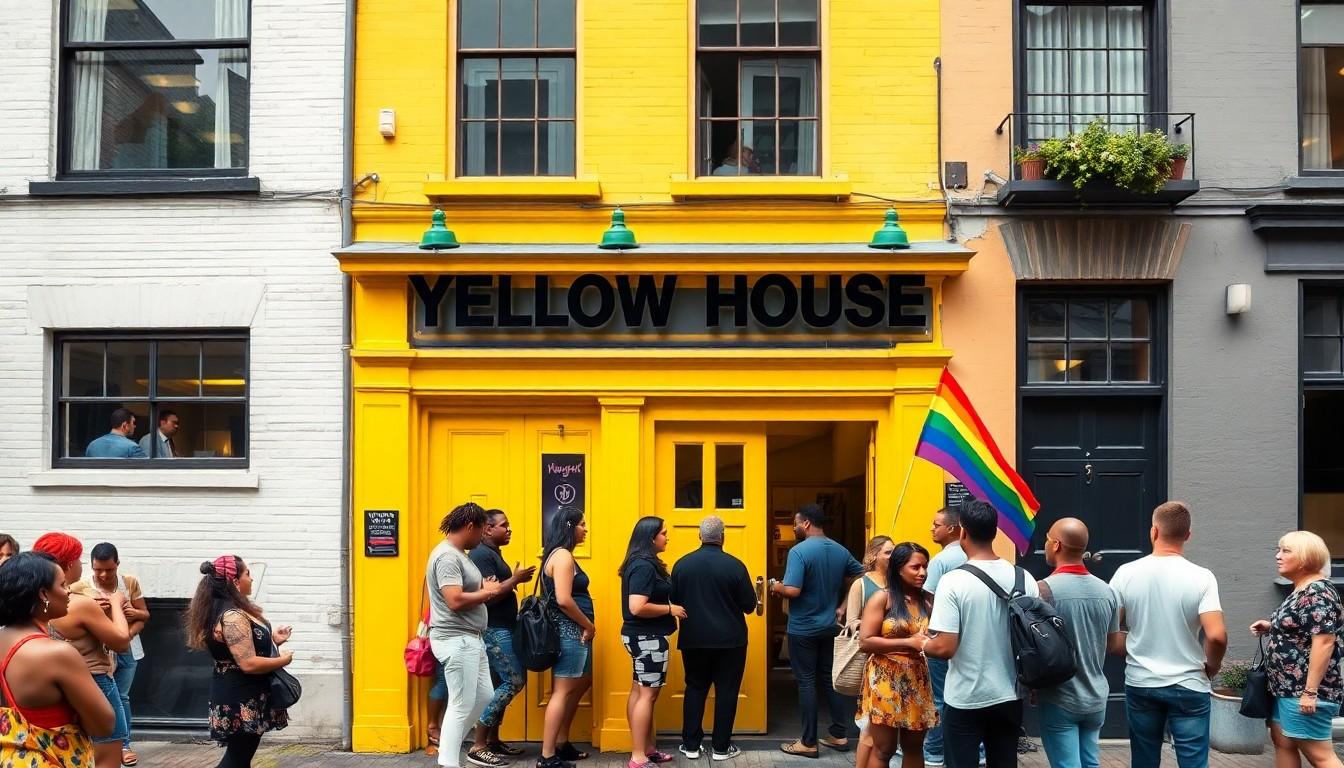
Shoppers for bold theatre and activists alike are turning to Wachten op Marsha, a raw new queer production in Amsterdam that stages urgency, strategy and the legacy of resistance; it matters because it asks how far a movement should go when visibility and safety are at stake.
Essential Takeaways
- Bold premise: A group of queer activists debate protest tactics as harassment and violence rise, creating tense, urgent theatre.
- Activist heart: The company treats queer theatre as action , it doesn’t ask for space, it takes it, and that energy is obvious on stage.
- Community-rooted: The play connects to real-world Black Pride and BIPOC queer spaces, underlining why separate gatherings matter.
- Practical impact: It’s a reminder to stay visible year-round , not just during Pride , and to build protective spaces locally.
- Sensible staging: Expect a mix of strategy talk, emotional confrontation, and calls to collective action that linger after the curtain.
A play that smells of the street and the meeting room
Wachten op Marsha opens with the kind of nervous energy you feel at a planning session and the ache of people who’ve seen the worst. The production frames a small group of queer activists debating how to respond to rising harassment, and you can almost hear the tap of restless feet between lines. According to festival listings and local reviews, the piece leans into realism and urgency rather than theatrical ornamentation, which keeps the stakes visible and immediate.
The creative team has been clear this isn’t an abstract morality play. It’s about strategy, sacrifice and the real costs of action. Audiences have said the scenes feel recognisable , the arguments over timing, the fear that action could provoke worse backlash, the stubborn refusal to wait for permission. That tension gives the show its emotional backbone.
Theatre as resistance: they take space, not ask for it
The director and cast speak about queer theatre as an act of occupation, a point that comes up repeatedly in interviews and the production notes. Rather than politely asking for representation, the company mounts work that asserts presence and demand. This approach echoes a broader shift in arts and activism where making space is itself a political act.
That stance matters because visibility has never been neutral. The play traces queer resistance back through history, making the case that defending visibility often requires direct, visible forms of protest. If you care about how performance and politics overlap, this show reads as both a warning and a rallying cry.
Why Black Pride and dedicated BIPOC spaces are part of the story
Wachten op Marsha doesn’t exist in a vacuum; it’s part of a season of events that includes targeted, community-led gatherings like Black Pride in Amsterdam and the Queer Aunties parties. Organisers argue these events need their own identity , not as programmes within mainstream Pride, but as spaces designed by and for Black, Indigenous and POC queer people.
That context changes how you hear the play. The arguments on stage about when and how to act mirror real conversations happening in these communities: create your own meaningful places, centre your needs, and don’t let visibility be tokenised. Practically, if you’re planning to support local queer BIPOC events, look for programming that prioritises cultural rhythms, music and food as ways to strengthen ties, not just celebrate.
How the show reflects movement survival and strategy
A central question in Wachten op Marsha asks how movements survive under pressure , do you escalate, retreat, or invent new forms of care and defence? The play offers no tidy answer, and that’s the point. It shows survival as an ongoing, messy project: rehearsing, meeting, protesting, tending to those who’ve been hurt.
For audience members involved in activism, that realism is useful. The production suggests simple practices: build regular spaces for community work, make decisions collectively, and accept that urgency can coexist with strategy. These are small takeaways with big implications for how groups organise outside the spotlight.
What to expect and why it matters beyond theatre
Seeing Wachten op Marsha feels like joining a conversation you didn’t know you were in. The staging is direct, the performances grounded and the themes ring true for anyone who’s felt the pinch of shrinking freedoms. Reviewers and venue write-ups note it’s aimed at making people talk and, crucially, act , beyond applause.
If you’re thinking of going, expect debate as much as drama. Bring friends who want theatre that sparks civic thought, and consider supporting local Black Pride events and community parties that keep the conversation and care going year-round.
It's a small change that can make every act of visibility safer.
Source Reference Map
Story idea inspired by: [1]
Sources by paragraph: