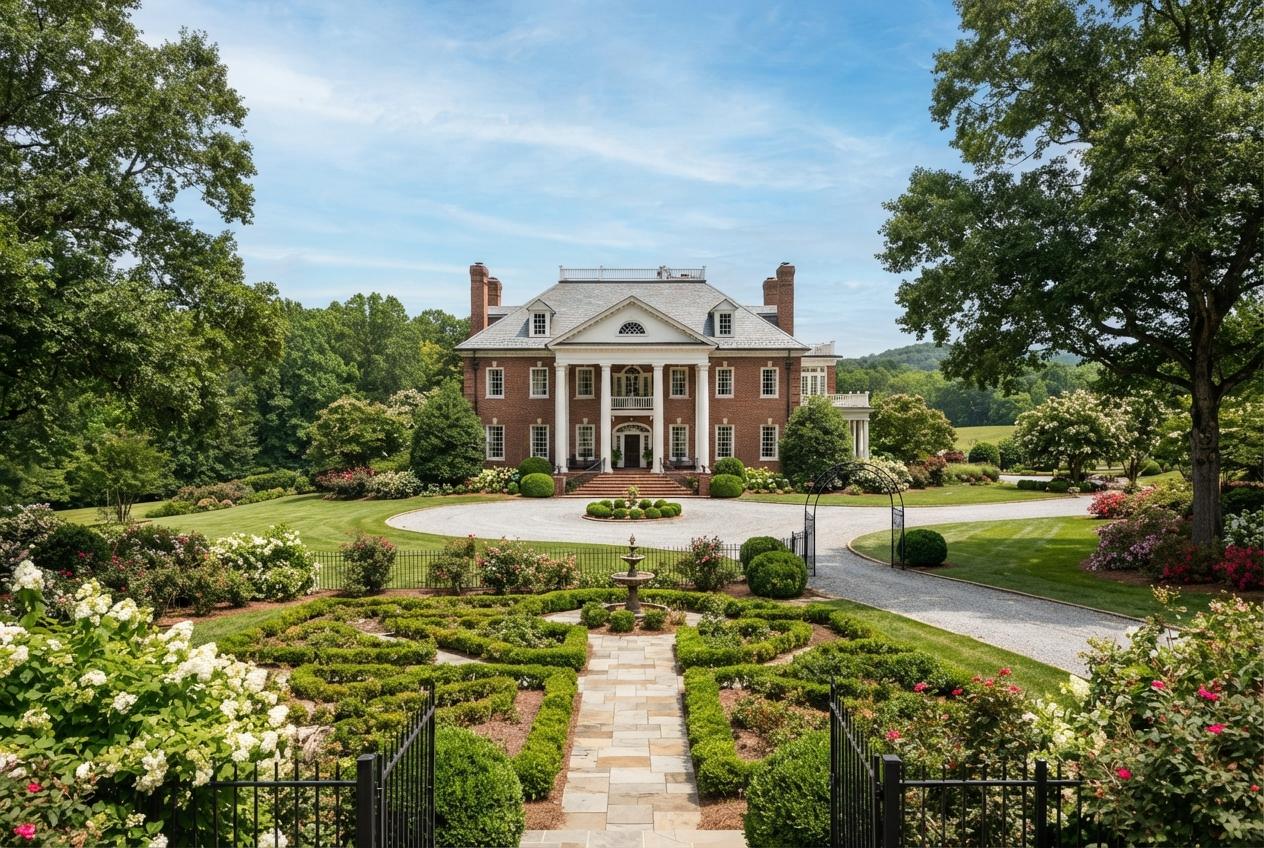
Shoppers are paying closer attention to venue policies as a North Carolina couple says a Christian wedding site turned them away; the story matters because it highlights where religious freedom and nondiscrimination collide for engaged couples hunting for a place to say “I do.”
Essential Takeaways
- What happened: A lesbian couple says a Christian-run venue in North Carolina declined to host their ceremony after learning they were same-sex partners.
- Venue stance: The business cited sincerely held religious beliefs that define marriage as between a man and a woman.
- Legal patchwork: North Carolina lacks a statewide law banning sexual-orientation discrimination in public accommodations, complicating legal remedies.
- Public reaction: Online responses split sharply between defending the venue’s religious autonomy and condemning an exclusionary practice.
- Practical tip: Couples should ask about inclusivity upfront and get policies in writing before booking tours.
Why this story is getting attention , inclusivity is now part of the venue search
Tellingly, the couple said they’d been looking forward to getting married in North Carolina and thought they’d found a fitting site, only for the booking to be withdrawn once staff learned they were a same-sex couple. That jolt , a feeling many described as personal and painful , has pushed inclusivity into the spotlight for anyone planning a wedding. With so much emotion and expense riding on a single day, couples increasingly treat equal-access policies as a must-know detail, not a footnote.
The religious-rights argument and where it meets commerce
The venue framed its choice as grounded in faith, saying it operates according to specific religious convictions about marriage. This is a familiar tension: business operators asserting conscience protections versus couples expecting equal service. Courts have wrestled with similar disputes, and the legal ground can shift depending on whether the service is deemed purely commercial or expressive.
How laws , and court decisions , complicate the picture
North Carolina does not have a comprehensive public-accommodations statute that bars discrimination on the basis of sexual orientation, which limits state-level protections. Federal and constitutional law can also factor in; for instance, recent high-profile rulings have drawn lines around compelled speech and expressive services. But those precedents don’t automatically permit every business to refuse same-sex clients, so outcomes can vary a lot.
What couples should do when hunting for a venue
Practicality matters here: ask venues directly about their policies on hosting same-sex ceremonies before you fall in love with the chandeliers. Request a written statement or contract clause that spells out inclusivity. If a venue declines, don’t assume every nearby site will do the same , many venues explicitly advertise LGBTQ+ friendliness and can help steer you to allies on the ground. And if you encounter discrimination, you may want to document communications in case you seek advice from local advocacy groups or legal counsel.
Why public reaction has been so divided
Online responses followed predictable lines: some people defended the venue’s right to follow its beliefs; others called the decision discriminatory and hurtful. That split reflects broader cultural debates about when faith-based convictions should shape commercial offerings. For couples planning their day, the takeaway is clear , personal values and business policies are increasingly intertwined, and vetting a venue’s stance is now part of the essential checklist.
It's a small change in planning that can save a lot of heartache on the big day , ask first, book later.
Source Reference Map
Story idea inspired by: [1]
Sources by paragraph: