Shoppers at Fantasia flocked to see Corpus, a 1990s-set queer horror that mixes sweaty club energy with unsettling folk dread; directors and festivalgoers say it matters because it turns obsession, longing and bodily desire into genuine, slow-burning scares.
- Period texture: The film nails late‑90s New York with a moody soundtrack and tactile production design, creating an anxious, nostalgic atmosphere.
- Emotion-first horror: The story leans on messy relationships , guilt, codependency, yearning , to build dread before any supernatural elements appear.
- Standout performances: Jeff Wahlberg and Brodie Townsend carry a fraught, believable chemistry; their vulnerability makes the horror land.
- Sensual, precise direction: Corrin Evans, who also co-wrote the film, uses her experience as an intimacy coordinator to stage charged scenes that feel earned, not exploitative.
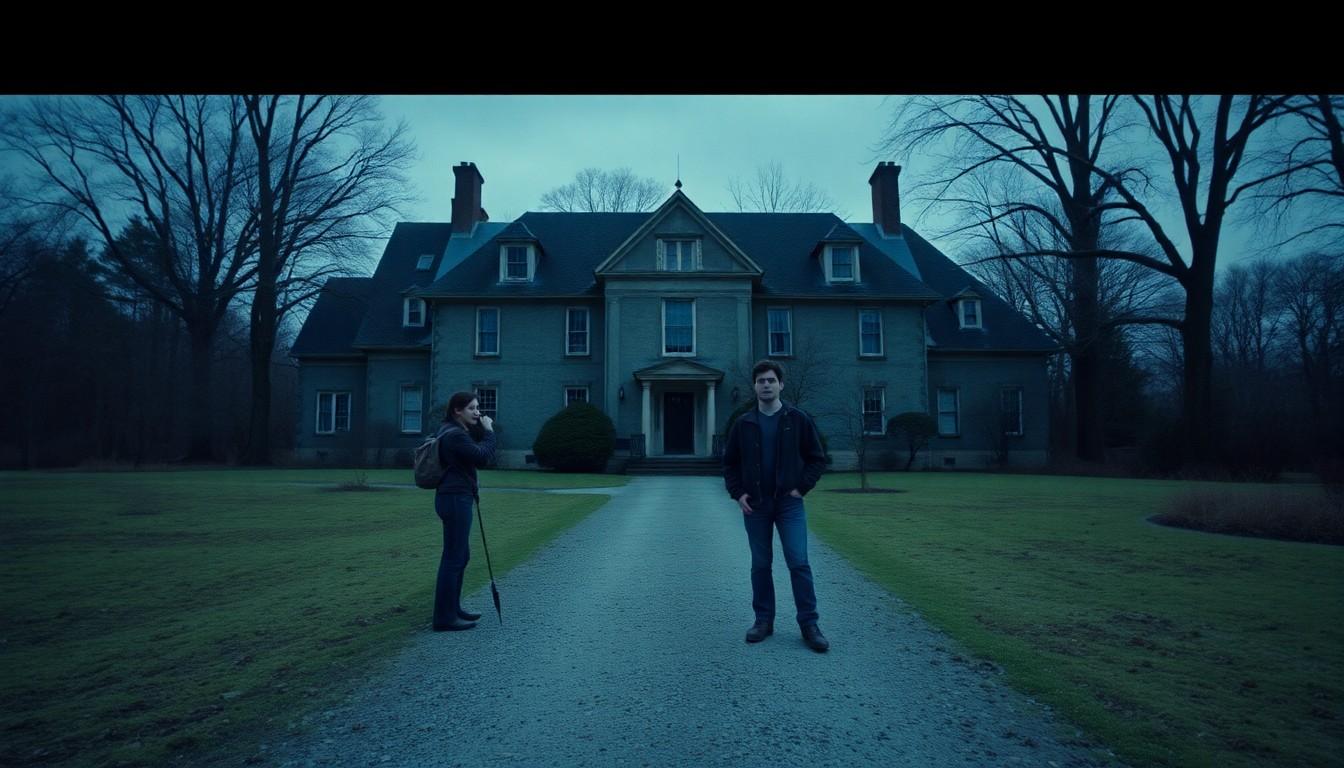
- Folk-horror vibes: A dilapidated country estate, Midsummer timing and odd rituals push the film from psychological unease into unsettling, corporeal terror.
A tense, tactile opening that sets the mood
Corpus begins with a single, uncomfortable image that sticks: an after-hours photoshoot that veers predatory and wrong. That opening is spare but sensory , the smell of sweat, a camera’s click, a nervous silence , and it primes you for a movie that treats bodies as story engines. According to festival write-ups, Corrin Evans leans into texture rather than cheap shocks, so the first act feels like a slow-tightening noose.
The film’s choice to centre desire and obsession before the supernatural arrives pays off. By the time things turn weirder, you already understand what’s at risk emotionally, which is why the later horror feels personal as well as eerie. Viewers I spoke to after screenings said they left still thinking about relationships, not just jump moments.
Why the 1998 setting matters
Setting Corpus in June 1998 isn’t just a style move , it’s thematic. The late 90s were an anxious time for queer communities, and the film taps into that nervousness: the need to cling to people, the fear of being left behind. That cultural backdrop gives the characters’ codependency extra weight, turning small slights into existential threats.
Festival coverage points out that the soundtrack and production design are so convincing they act like a time capsule. The period touchstones keep the story grounded and give the film an almost nostalgic sting, which makes its darker turns feel stranger and more resonant.
Characters you can’t look away from
Corpus rests on performances that make messy feelings feel human. Jeff Wahlberg’s Sayo is heartbreakingly stuck, while Brodie Townsend’s Vince is magnetic and complicated , you can see why Sayo can’t walk away. Lily Cowles as Billie and Ching Valdes‑Aran as Cata add layers, turning a party into a predatorily charming trap.
Critics at Fantasia and elsewhere noted that the relationships never ring false; instead, they’re convincing enough that the audience willingly follows them into increasingly hazardous territory. That emotional realism makes the horror credible; when fear finally arrives, it lands with force.
Horror that grows from intimacy and ritual
Rather than rely on jump scares, Corpus escalates through atmosphere and ritual. The run‑down estate where much of the second act unfolds feels both pastoral and wrong , an almost folk-horror take set against queer desire. Reviewers compared the mood to sweaty club nights colliding with Midsummer rites, producing an unsettling hybrid of hedonism and menace.
Evans’ restraint is notable: she lets dread simmer, and when the reveal happens it’s visceral. The film plays with ideas of bodily autonomy and identity, and those themes are threaded through every charged close-up and odd ceremonial beat.
Practical notes for viewers and festivalgoers
If you like character-driven horror, expect slow build and emotional complexity rather than nonstop shocks. Corpus runs about 102 minutes and is best appreciated with patience; sit with the tension and the performances. For those sensitive to sexual predation themes, be aware the movie leans into unsettling intimacy and power dynamics , it’s deliberate and probing, not gratuitous.
If you’re festival-hopping, keep an eye on Fantasia’s programme notes; this was a standout world premiere and speaks to a broader trend of queer filmmakers using genre to explore relationships in darker, more literal ways.
It's a small change in perspective that can make every scream feel personal.
Source Reference Map
Story idea inspired by: [1]
Sources by paragraph: