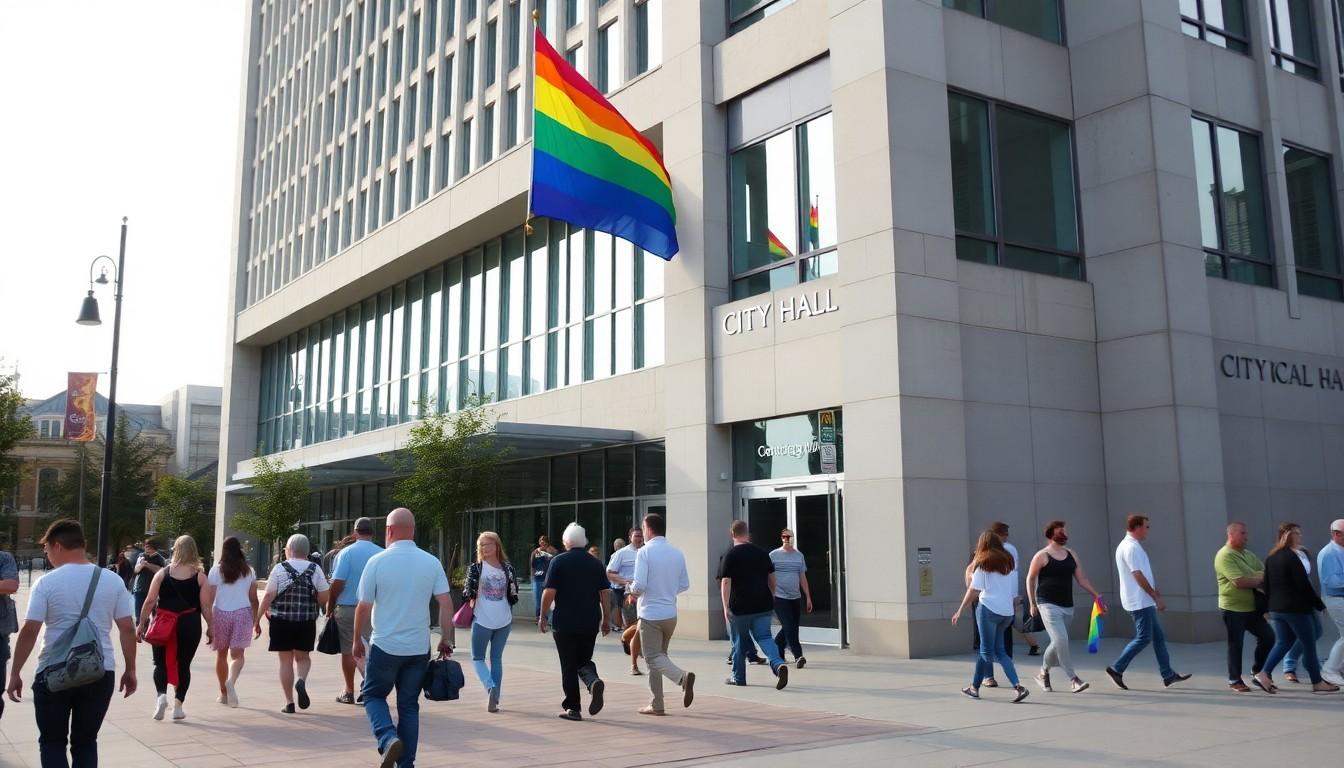
Shoppers of civic life have noticed a shift , Calgary Pride is now accepting applications from individual politicians to march in its parade, a move that reshapes who’s visible in the crowd and why representation at Pride matters. Here’s what changed, how organisers are handling it, and what it could mean for community trust and civic theatre.
Essential Takeaways
- Policy change: Calgary Pride has reopened applications so individual elected officials can apply to march, while political party entries remain paused.
- Reasoning: Organisers say the tweak balances visibility for queer-friendly officials with protections against party-based division.
- What to expect: Politicians accepted will march as individuals, likely with limits on banners and partisan materials, keeping the parade’s inclusive tone.
- Practical tip: If you’re a voter or activist, check Calgary Pride’s application guidance before contacting elected reps about participation.
- Emotional cue: The move aims to welcome supportive faces while trying to avoid the parade feeling like a campaign rally.
What actually changed , a straightforward switch, not a full reopening
Calgary Pride isn’t throwing open the gates to party politics again, but it is allowing individual politicians to apply to march. Organisers clarified that political party participation remains paused for the parade, so you won’t see party floats or official campaign teams taking over the route. The adjustment is small on paper but notable in practice: it lets elected officials who want to be visibly supportive join as citizens rather than as party representatives.
Backstory: this comes after several years of debate about where to draw the line between representation and partisan campaigning at Pride. According to local reporting, the policy shifts are an attempt to thread that needle, keeping the parade a place for community celebration while allowing allies in office to show up.
Why organisers say this is the compromise the parade needed
The change follows complaints and conversations about exclusion and the appearance of political capture. Calgary Pride has previously paused participation from political parties, citing concerns about the parade becoming a platform for partisan messaging. Allowing individual politicians to apply gives organisers more control , they can vet participants and stipulate what sort of materials are acceptable.
This approach mirrors what other Pride events have tried: encouraging elected voices to stand with the community without turning the event into a political fundraiser or campaign stop. The hope, as organisers frame it, is to keep the focus on LGBTQ2S+ people and groups while recognising that visibility from public servants matters.
How this will look on the ground , practical details to watch for
Expect politicians to appear without party banners, explicit campaign swag, or official party signage. Calgary Pride’s application process now includes clearer rules about how participants can present themselves, which should make it easier for stewards to manage entries and enforce standards during the parade. For spectators, the result should feel familiar , more elected faces in the crowd, but not a parade of candidates.
If you’re an elected official wanting to march, follow the application guidelines closely and be ready to march as an individual ally rather than a party representative. If you’re a community organisation, keep an eye on the vetting process; you may be asked to confirm how your invited guests will present themselves.
What critics and supporters are saying , tensions haven’t vanished
Some community members welcome the change as a step toward inclusion: seeing friendly elected officials in the parade can be affirming, and it signals accountability when leaders make a public show of support. Others worry the line between individual and party will blur in practice, especially close to election season.
Organisers appear aware of this tension and are emphasising clear rules and active stewardship. It’s a pragmatic compromise: community-first, with controlled access for allies. Watch how enforcement plays out this summer , the policy will only earn trust if it’s applied consistently.
How to engage , tips for voters, activists and organisers
If you want to encourage your MLA, councillor or MP to march, suggest they apply as an individual and review Calgary Pride’s participation rules first. Community groups inviting politicians should spell out expectations in advance to avoid awkward moments on the day. And as a spectator, remember you can welcome supportive officials while holding them to account afterwards , their presence is visible, so so is their record.
This change won’t solve every disagreement about politics at Pride, but it creates a clearer pathway for elected allies to participate without turning the parade into a party rally.
It's a small rule shift that could make public support more visible , and a useful reminder that representation is as much about presence as it is about policy.
Source Reference Map
Story idea inspired by: [1]
Sources by paragraph: