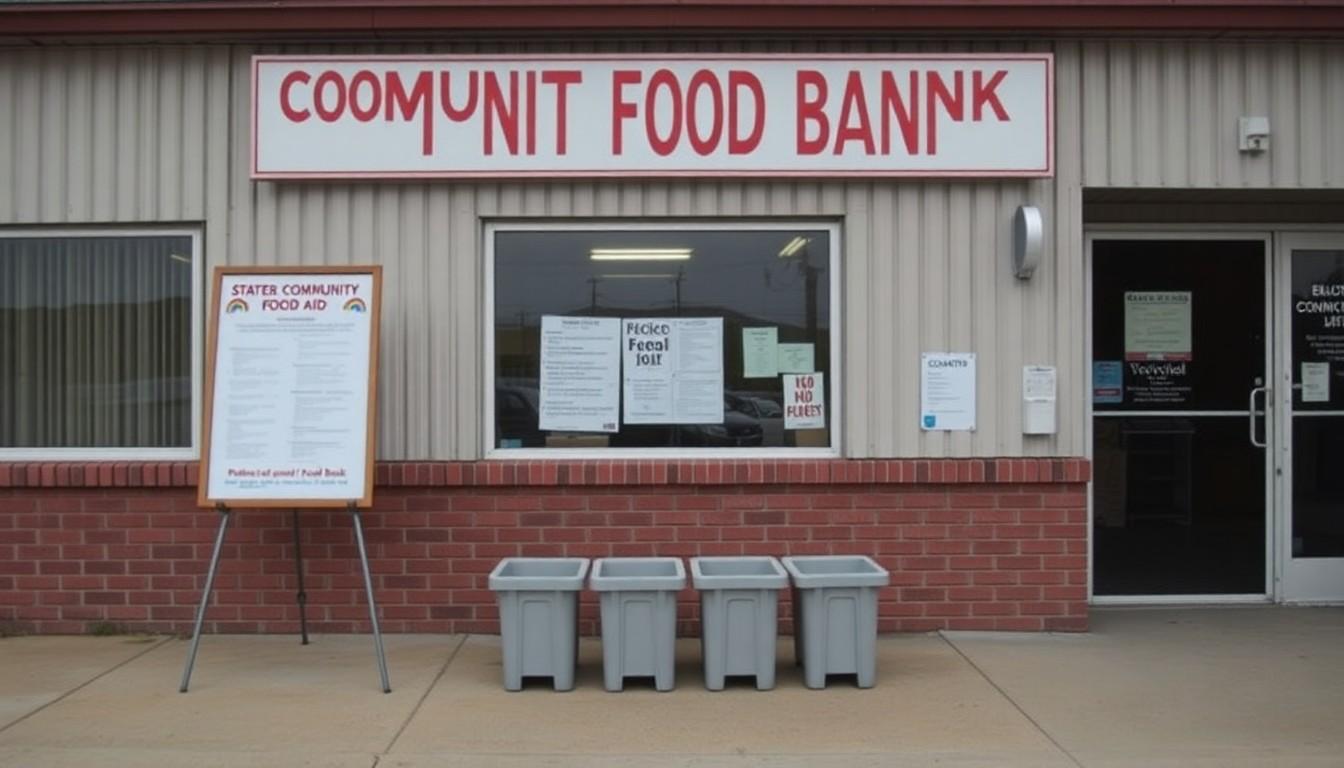
Shoppers and neighbours are watching as a Bluefield, West Virginia food bank goes quiet after its pastor refused supplies linked to organisations he said support LGBTQ+ people , a move that has left cupboards bare and local families scrambling for alternatives. Here’s what happened, why it matters, and how communities can respond.
Essential Takeaways
- Shelves empty: God’s Store House Food Bank posted video of bare cupboards and freezers after declining certain donations, creating an immediate gap in local food aid.
- Pastor’s stance: The pastor said he refused food tied to groups he believes support LGBTQ+ causes, while insisting he’ll still serve anyone in need.
- Scale of impact: The food bank previously served hundreds of families daily and thousands monthly across four counties, so the disruption affects many households.
- Vulnerable groups hit hardest: National data shows LGBTQ+ people face higher rates of food insecurity, making cuts to channels of help especially consequential.
- Search for solutions: The pastor said he’s seeking new suppliers and asking supporters to pray, while observers urge practical alternatives and community coordination.
What exactly happened in Bluefield , and why the footage feels urgent
The pastor of God’s Store House Food Bank shared video of empty shelves and freezers after deciding not to accept supplies from organisations he believed were connected to LGBTQ+ advocacy. The images are stark and sensory , bare metal shelving, open freezer doors , and they make the consequences easy to picture for anyone who relies on the service. According to local reporting, the food bank had been a major regional resource, so the sudden shortfall is more than symbolic.
This action grew out of the pastor’s scrutiny of partner groups, including national networks, and his rejection of donations he felt were indirectly supporting causes he opposes. He says he won’t sell to those organisations and will continue to help anyone who comes to the door, but critics point out the contradiction between turning away supply channels and claiming nondiscrimination in service.
How common is this sort of split between values and charity logistics?
Controversies over who funds or partners with faith-based charities aren’t new. Local reporting across states shows churches and community groups sometimes clash over wider political issues, and those fights can cascade into service disruptions. When a single supplier or network is blocked, the fallout is immediate: volunteers are left with less to distribute, and clients who time their visits around availability can be left short.
Feeding America and other large networks often act as logistic hubs for smaller banks, providing bulk donations and distribution support. Turning away those channels means a food bank must quickly replace volume and variety , not an easy task for volunteer-run operations.
Who loses out , and why LGBTQ+ people are specifically vulnerable
National studies and advocacy reporting show LGBTQ+ adults face higher poverty and food insecurity rates than the general population. That makes uninterrupted access to community food programmes especially crucial. When a food bank narrows its supplier list based on perceived affiliations, it can deter people from seeking help and cut a vital lifeline for those already hesitant about approaching faith-based aid.
Experts have pointed out how the perception of exclusion can discourage visits even if the door is technically open. So while the pastor says he won’t discriminate, the signal sent by rejecting certain donors can reverberate in ways that aren’t instantly measurable.
Practical steps communities can take right now
Communities facing sudden gaps can move quickly if there’s coordinated thinking. Local councils, neighbouring food banks and independent pantries can pool inventories, redirect volunteers and advertise temporary collection points. Small supermarkets, churches and civic groups often step up with drives, and mutual aid networks can help match offers of cooked meals or groceries to demand.
If you’re organising help, prioritise perishables first, then staple dry goods. Keep distribution simple and dignified: clear opening hours, ID-free access where possible, and quiet, respectful volunteer training goes a long way. And if you’re a donor, check whether your contribution can be routed through a neutral partner organisation to reach those in need.
What to watch next , legal, practical and human angles
Expect local debate about the balance between religious liberty and the right to organise community support. Some communities will pursue legal or policy channels, while others will focus on pragmatic stitching-together of supply. Meanwhile, families who relied on this bank will adapt as best they can, and neighbouring groups will likely note how fragile local safety nets can be when politics enter the pantry.
Ultimately, this isn’t only a story about one pastor’s choices; it’s a reminder that food security sits at the intersection of logistics, values and community responsibility. The simplest, most human response is coordination: neighbours feeding neighbours, however they differ on everything else.
It's a small change that can make every meal safer.
Source Reference Map
Story idea inspired by: [1]
Sources by paragraph: