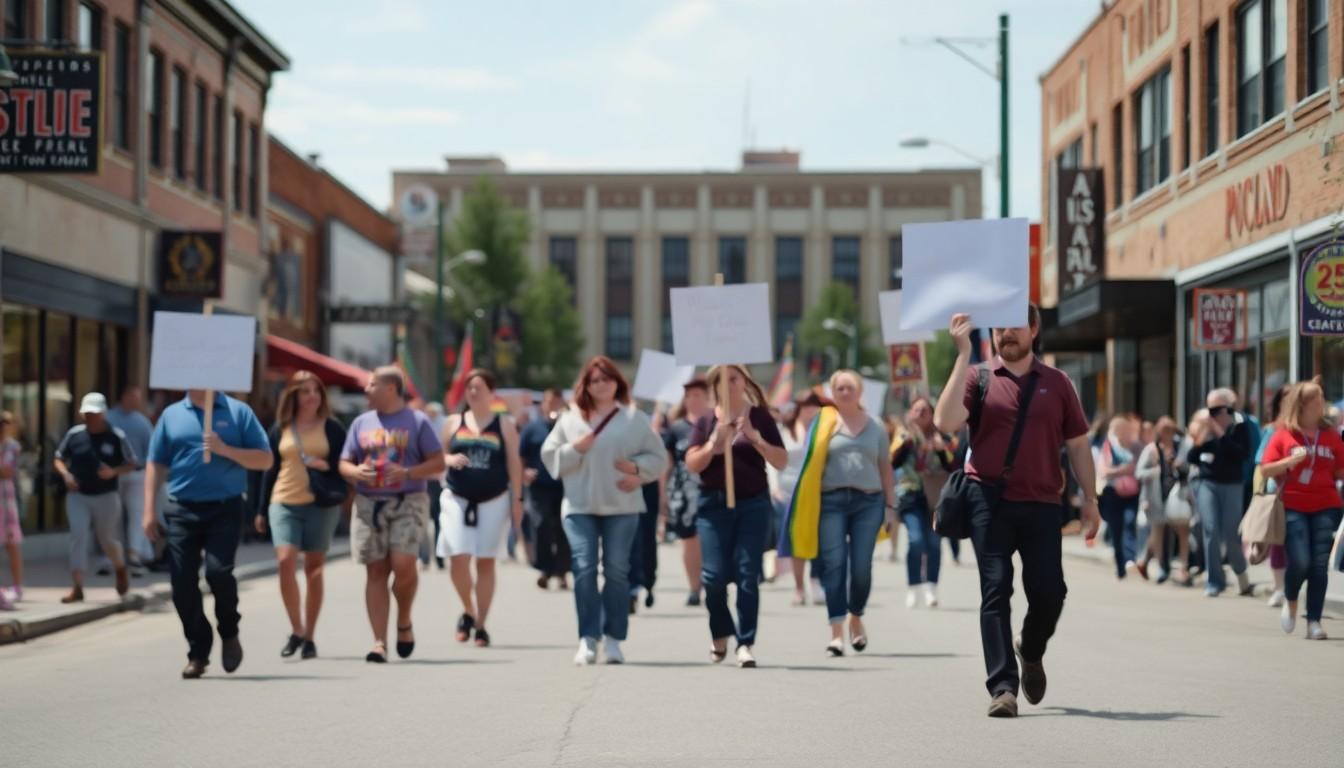
Shoppers, neighbours and longtime activists are turning out as FM Pride marks 25 years, with a parade, park events and a special history talk that show how a once-hidden picnic grew into a weeklong celebration that matters to the whole Fargo‑Moorhead community.
Essential Takeaways
- Quarter‑century milestone: FM Pride started as a quiet 2001 picnic and now runs daily through Sunday with a large parade downtown.
- History night: A presentation, A Pride of Our Own, will share oral histories and photos, offering a textured, local perspective.
- Events for everyone: The week includes dances, park gatherings, a prayer service tradition and family-friendly activities , easy to join and accessible.
- Community-driven vibe: Corporate backing has waned, but grassroots and local-business support feels stronger and more personal.
- Visibility matters: Attendance has grown from about 150 marchers in 2004 to thousands now, changing how the region sees LGBTQ lives.
A quiet picnic becomes a public week: the origin story
Twenty‑five years ago FM Pride was a discreet picnic tucked into Gooseberry Mound Park, the kind of gathering people preferred to keep private, and you could almost feel the hush. Tammy Lanaghan and others have collected oral histories that explain why: without legal protections folk feared losing jobs, housing or healthcare. According to organisers, that early caution shaped the event’s slow, careful growth into what it is today. If you want plain context, this talk , A Pride of Our Own , is the place to hear the voices behind the headlines and see the photos that make the shift feel real.
The parade that helped change minds
A parade was added in 2004 and drew roughly 150 marchers on a short route; now the procession snakes through downtown Fargo and attracts thousands. Public moments like that parade , and figures such as former Mayor Jon Lindgren, who supported Pride years earlier , gave local visibility a boost. Organisers say visibility helped normalise LGBTQ lives here, and that’s borne out in how attendance and public support have climbed year after year. If you’re planning to join, head for the downtown route to catch the full, colourful experience.
Events you can actually bring the family to
FM Pride’s programming expanded quickly: dances, community gatherings, a non‑denominational prayer service and brunch became staples. The week still mixes celebration with reflection; Tuesday’s presentation at the Hjemkomst Center, for instance, will include audience contributions , bring photos or letters if you’ve got them. For families, there are gentle daytime activities and park events that feel welcoming and low‑stress. Check the festival schedule online for times and locations so you don’t miss the kid‑friendly slots.
Why some sponsors stepped back , and why that matters less
In recent years national corporate sponsors have pulled back, a trend other Pride events have seen too. But locals say that’s made FM Pride feel less corporate and more rooted in the community, with stronger support from nearby businesses and civic groups. That shift changes the tone: it’s not about big logos so much as neighbourly involvement and local volunteers. If you’re supporting Pride this year, smaller donations or volunteering can make an outsized difference.
The political context and a resilient response
Pride hasn’t been immune to politics. In 2023 organisers moved some main events to Moorhead in response to anti‑LGBTQ legislative efforts in North Dakota, and speakers at past rallies have used the platform to call for equal rights. The movement from secrecy to celebration didn’t erase risk, but it did build solidarity. Attending a parade or a history night isn’t just festive , it’s also an act of community affirmation, especially where legal protections remain patchy.
It's a small change that can make every celebration feel more rooted in local stories and future possibilities.
Source Reference Map
Story idea inspired by: [1]
Sources by paragraph: