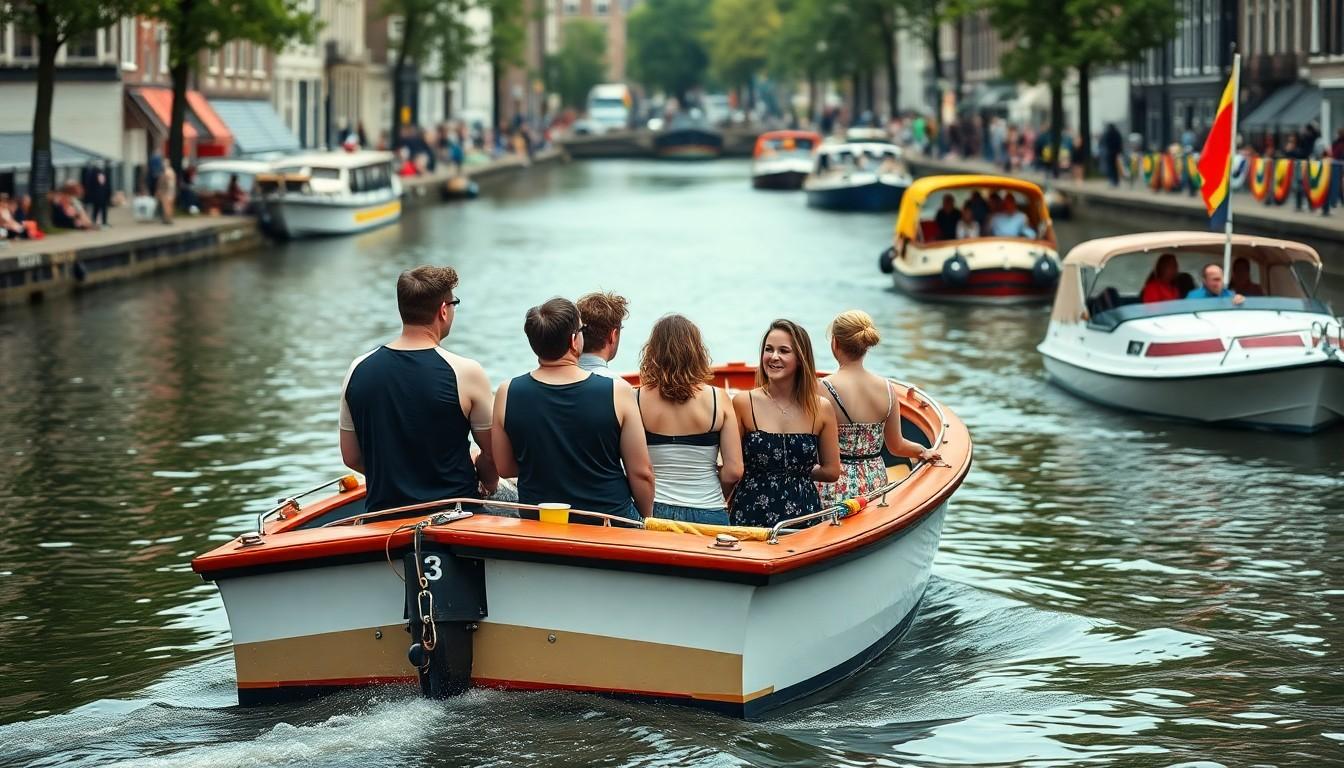
Watch how you join in: visitors are welcome at Amsterdam’s Canal Parade, but celebrating without pausing to respect the purpose can turn support into spectacle, and that matters for queer communities who shaped the event.
Essential Takeaways
- Be mindful: Carnival energy is infectious, but loud speakers and visual clutter can drown out messages and make Pride feel like background decor.
- Respect presence: Queer groups, NGOs and activists are deliberately visible; treat them as the centre, not stage dressing.
- Keep waterways clean: Confetti and plastic throwaways look festive but pollute canals and undermine community values.
- Celebrate thoughtfully: Bring energy, but choose small actions , positional awareness, lower volume, and attention to floats’ causes.
- Support meaningfully: Buying merch or donating to charities linked to the parade helps turn attendance into real solidarity.
Why a birthday on a party boat can feel tone-deaf
Walk past the canal on Parade day and you’ll often see two scenes: groups on the quay waving and floats broadcasting causes, and private boats turned into floating parties. The sound of a personal playlist booming from a canopy of Pride flags feels cheerful until you notice it’s drowning the messages coming from nearby floats. That jolt , of being physically present but not present to the meaning , is what many queer onlookers call out.
Local reporting and commentary have flagged that when private groups dominate space, the parade’s purpose , visibility, protest, fundraising , gets muffled. So if you’re organising a celebration, think about placement, volume and how your actions might shadow others. Lower the speakers, face the procession, and let the campaigners have their moment.
How commercialisation and activism are reshaping the parade
Over the years the Canal Parade has grown from grassroots march to major festival, which brings both funding and friction. According to festival coverage, NGOs and activist-led barges have been taking larger roles, while corporate or purely recreational presences sometimes slip into the limelight. That shift matters: floats by charities draw attention to urgent issues like homelessness among queer youth and HIV prevention.
If you’re there to party, notice who’s making placards and who’s carrying banners. Spot the charity boats, and take a moment to learn or donate. It’s a small choice that helps keep the parade rooted in advocacy, even as crowds swell and cameras flash.
Simple rules for being a considerate spectator
There’s no single code of conduct, but a few common-sense moves change the day for the better. Stand so you’re not blocking campaigners; turn your back less and your attention more towards floats carrying messages. If you’re on a private vessel, avoid blasting music that overpowers the parade PA. Swap plastic confetti for biodegradable alternatives or skip it altogether.
Practical tip: arrange meeting spots and plan playlists before you launch so the boat’s ambience doesn’t become a megaphone. Bring water, sun protection and patience , queues and slow-moving craft are part of the charm, but they’re also part of other people’s experience.
Why visibility still needs to be intentional
The Canal Parade celebrates hard-won visibility, and that visibility is political. When attendees treat queer people as props , a colourful backdrop to selfies and private parties , the parade’s power is diluted. Coverage from local outlets and festival pages repeatedly points to an uneasy balancing act between celebration and message.
Meaningful presence means more than turning up: it means listening, learning and, where possible, contributing. Whether that’s applauding a community barge, donating to a linked charity, or simply stepping aside so a voice can be heard, small acts of respect keep the parade authentic.
Looking ahead: how to celebrate without taking over
Cities and organisers have options to steer the parade back towards activism: clearer guidance for private boats, designated party zones, and incentives for floats that highlight social causes. Visitors can help too, by treating the event as more than entertainment and by asking who benefits from the day.
If you want to have fun , go for it. But try to do so in ways that lift up the parade’s original intent rather than smother it in speaker noise and plastic. Your presence can be generous and joyful without eclipsing those who the day is for.
It's a small change that can make every celebration feel like true solidarity.
Source Reference Map
Story idea inspired by: [1]
Sources by paragraph: