Notice how fear spreads faster than facts: since the Islamist attack at the Berlin CSD, queer people across Germany are reassessing safety, grieving and looking for concrete support , here’s what matters now, who’s affected, and how friends, allies and policymakers can respond without hijacking the community’s pain.
Essential Takeaways
- Immediate emotional impact: Many queer people report heightened anxiety and retraumatisation, with visible signs like tearfulness and hypervigilance on public journeys.
- Broad political fallout: The attack has become a wedge in public debate, with right-wing actors ready to instrumentalise fear while other voices call for measured responses.
- Practical needs: Calls include better psychosocial care, legal protection enshrined in the constitution, and targeted funding for queer, BiPoC and trans services.
- Everyday solidarity matters: Simple acts , offering to walk home together, listening without lecturing, showing visible support , reduce isolation and help process fear.
Why this attack feels different: the personal and collective shock
People I spoke to describe a new, physical tightness when they use public transport, or the urge to scan every exit while holding a partner’s hand. That kind of sensory, everyday fear is often invisible to those not directly affected, but it shapes behaviour and choices immediately. According to reporting in German outlets, many in queer communities are experiencing retraumatisation after past violent incidents, which multiplies the emotional toll.
The attack was aimed at queer life in general, not at a single couple or event, and that makes the trauma communal. For friends and allies, the instinct to be strong and mobilise is natural, but it can sometimes crowd out space for grief. If you want to help, pause and listen first , people need acknowledgement before action.
How public debate is shaping reactions , and why that matters
Right-wing and populist voices have predictably rushed to frame the incident in ways that serve political aims, from scapegoating migrants to agitating over security. Meanwhile, left-leaning and centrist commentators argue about whether to label the perpetrator’s motives as Islamist terrorism or to emphasise broader dangers from the extreme right. German papers and broadcasters have documented these disputes, and they matter because they direct resources, lawmaking and public sentiment.
That tug-of-war can make survivors feel instrumentalised. Practical point: keep the focus on survivors’ needs , better mental-health support, protective measures at public events and policies that target prejudice , rather than turning fear into a campaign slogan.
Concrete protections queer people are asking for
There’s a clear policy list emerging from the community: explicitly ban discrimination based on sexual orientation in the constitution, increase funding for psychosocial care targeted at queer, BiPoC and trans people, and improve security planning for Pride events. Some commentators also demand symbolic gestures , a Pride flag at public institutions , to signal solidarity without cheapening grief.
If you’re a policymaker or a donor, direct your support toward local grassroots organisations that already provide counselling and safe spaces. Administrative gestures are useful, but sustained funding and legal clarity change lives.
What allies and friends can do this week and next
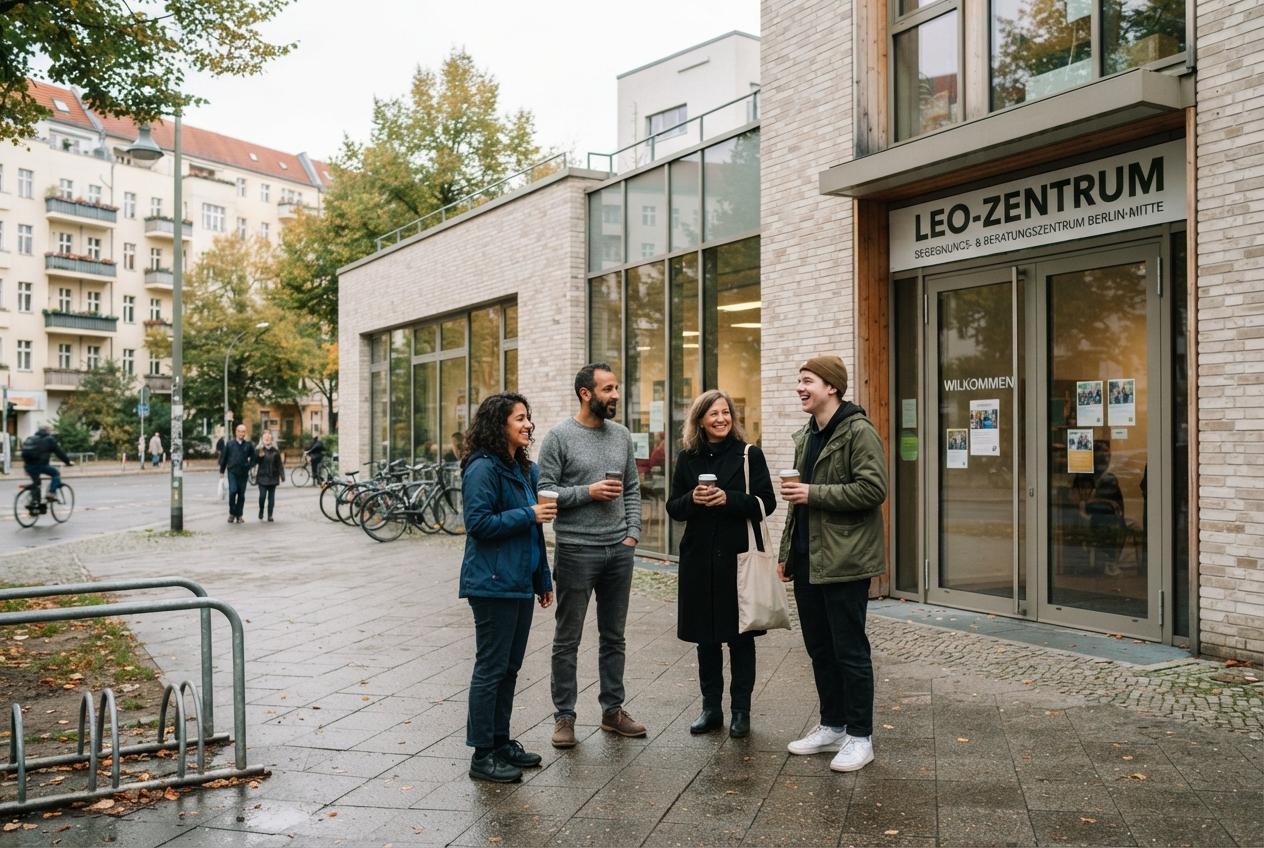
You don’t need to be an expert to be helpful. Offer to meet for coffee, to walk someone home, or to sit quietly while they talk. Avoid minimising language like “don’t worry” or turning trauma into political ammunition unless the person asks for a public response. Community members say that being allowed to feel frightened , without that fear being used by politicians , is itself a kind of safety.
Also, practical help counts: sign petitions that fund psychosocial services, attend local vigils to show visible support, and vet local Pride event safety plans if you’re an organiser. These actions show that solidarity is steady, not performative.
Looking ahead: turning fear into focused resistance
Fear can paralyse, but it can also fuel measured, strategic action. Processed constructively, it often gives rise to policy demands, mutual aid and stronger community networks. As reporting suggests, the conversation must stay alive beyond the immediate news cycle and not be monopolised by those who would exploit it for votes.
And a note for everyone: don’t surrender grief to the loudest political mouths. Let queer people lead the narrative about what safety and justice look like.
It’s a small change that can make every step home feel a little safer.
Source Reference Map
Story idea inspired by: [1]
Sources by paragraph: