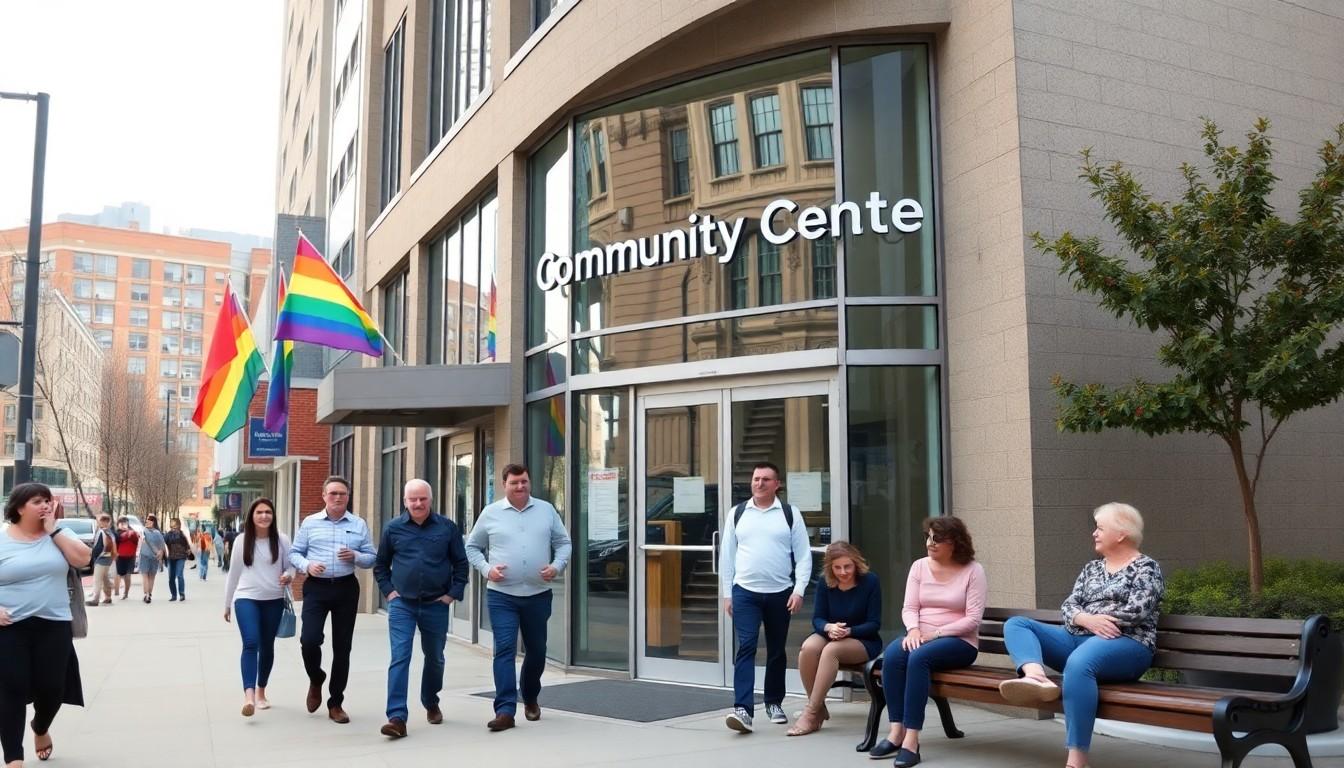
Notice how victims often stay silent not because they don’t see the harm, but because the costs of speaking up feel impossible; LGBTQ survivors face extra barriers , from threats to “out” them to services that aren’t ready , and understanding those realities matters if we want to help.
Essential Takeaways
- Hidden coercion: Perpetrators exploit stigma and threaten to out partners, making leaving feel dangerous.
- Higher risk: Public health data shows some sexual minority groups report higher rates of physical violence than heterosexual counterparts.
- Service gap: Many domestic-violence supports remain heteronormative and poorly equipped for LGBTQ needs.
- Practical help: Safety planning must include risks unique to LGBTQ survivors, like employment or custody threats.
- Compassion matters: Nonjudgemental validation and specialist referrals significantly increase survivors’ options.
Why staying is not the same as consenting , the emotional and practical traps
The strongest and most upsetting fact is simple: leaving can be far more dangerous for LGBTQ people than outsiders realise, and that’s often what keeps survivors trapped. Victims describe a quiet, grinding fear , loss of job, family, custody, community , that piles on top of the shame and gaslighting abusers use. According to reporting in Psychology Today, abusers frequently weaponise stigma, warning partners that no one will believe them or threatening to out them if they try to leave.
Public-health research has only recently begun to map these dynamics in detail. The CDC’s national surveys have helped show patterns of intimate partner violence among lesbian, gay and bisexual adults that were invisible for decades. The takeaway for anyone supporting a survivor is to treat their reluctance to leave as a rational response to real risks, not evidence of weakness or confusion.
What the data says , who’s at greater risk and why it matters
National surveys from the CDC changed the conversation by measuring intimate partner violence in non-heterosexual populations for the first time at scale. Their work, and follow-up analyses, reveal that some groups of sexual minorities report higher rates of certain types of physical violence than heterosexual groups. These findings underline that this isn’t a marginal issue , it’s a public-health problem with real consequences.
That evidence also exposes a policy gap: service provision, funding and training often lag behind what the data reveals. For campaigners and funders, the message is clear , invest in targeted outreach and LGBTQ-competent support so survivors can find help that actually fits their situation.
How abusers exploit stigma , the “outing” threat and other coercive tactics
One tactic that’s specific and cruel is the threat to disclose a partner’s sexual orientation or gender identity. For people who rely on their professional reputation, child custody arrangements, or a fragile support network, that threat is usefully terrifying for the abuser. Psychology Today features survivors who say these warnings aren’t idle , they’re leveraged to isolate, intimidate and erase options.
Practical advice for practitioners and friends: listen for mentions of exposure, job or custody risk, and factor those fears into a safety plan. A survivor’s first priority is often to keep control over how and when they disclose personal information, so any support should respect confidentiality absolutely.
Why many services feel unsafe , gaps in shelters, training and referrals
Despite rising awareness, many frontline services remain rooted in heteronormative assumptions , the layout of shelters, intake questions, even staff training can unintentionally exclude LGBTQ survivors. The CDC’s broader research and technical reports make it clear that recognising diverse relationship dynamics is part of effective response work.
If you’re seeking help or advising someone who is, ask whether a service has LGBTQ-competency training, whether shelters can accommodate partnered needs, and whether advocates understand the legal risks around outing and custody. Referrals to LGBTQ specialist organisations or advocates can make the difference between getting safe, practical support and having to go it alone.
Practical steps friends and professionals can take right now
Start by believing and validating what the survivor says; that simple response reduces shame and builds choices. Keep conversations about safety private, ask what specific fears they have about leaving, and help them identify trusted people, secure documents and emergency funds if possible. The CDC’s guidance and related technical papers recommend tailored safety plans that factor in community stigma and employment or housing risk.
For employers, colleagues and service providers, small changes help: ensure non-discrimination policies are visible, train staff on confidentiality, and create clear pathways to LGBTQ-competent advocacy. Even a single informed referral , to a specialist advocate or helpline , can unlock options survivors thought were gone.
It's a small change that can make every attempt to leave safer.
Source Reference Map
Story idea inspired by: [1]
Sources by paragraph: