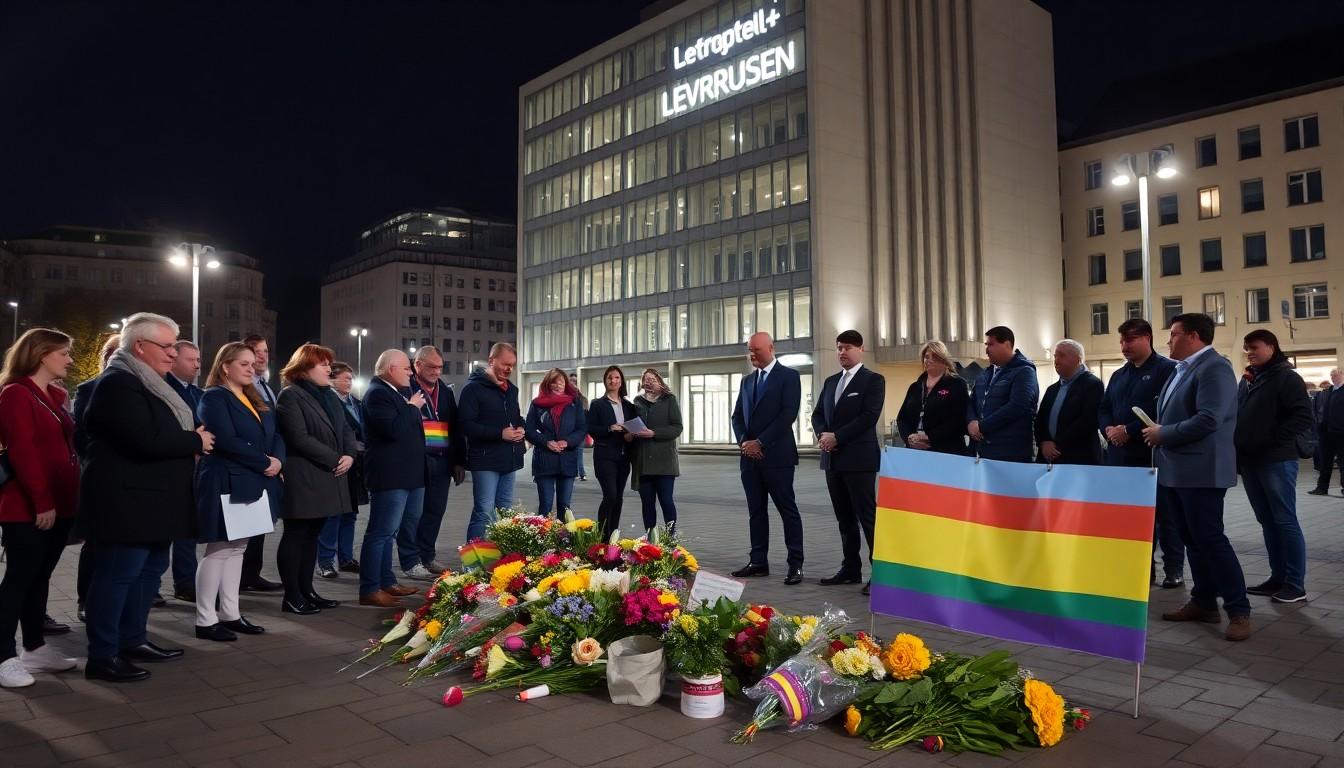
Shoppers and neighbours gathered as Pride groups in Leverkusen organised a quiet, local response to the attack at Berlin’s CSD, giving people a space to grieve, discuss and show solidarity , and reminding us why community rituals still matter.
Essential Takeaways
- Local vigil: Around 30 people met at Lindenplatz for a silent hour and an exchange afterwards, organised by Pride am Rhein.
- Personal grief: Children and families attended; a six‑year‑old brought a hand‑written sign, “It’s a pity the woman died,” showing how even young people feel the shock.
- Broader focus: Organisers emphasised that victims , the deceased, the injured and witnesses , must not be lost amid political debates.
- Community network: Attendance included Pride am Rhein members, “Omas gegen Rechts” and local SPD representatives, underlining cross‑group solidarity.
- Local activism: Pride am Rhein uses such moments to call for safe spaces, protection and continued public dialogue about inclusion.
A small crowd, a big message
The vigils in Leverkusen were modest but unmistakably heartfelt, with roughly 30 people gathering on Lindenplatz to sit in silence and remember. There was a quiet, slightly raw atmosphere , the sort of hush that follows bad news in a small town. According to local reports, the event was called by Pride am Rhein so people could speak, mourn and not let victims be reduced to political talking points.
This wasn’t a planned festival moment; it came out of immediate shock. Pride am Rhein’s organisers told attendees that the aim was practical and human: create a space to grieve and to be seen. For locals, that mattered; showing up in Leverkusen made clear these attacks aren’t just metropolitan headlines but reach into everyday communities.
Children showed up , and that matters
One image from the gathering stuck with many: a six‑year‑old girl who had carefully written a sign with a message of sorrow. It’s a small detail, but it brings home how violence reverberates across generations. Parents brought kids, not to politicise them, but to include them in a shared act of compassion , a human response that’s quiet yet powerful.
Organisers noted this when they spoke: they wanted to make a space where families could process things together. For readers, it’s a reminder that community responses are often as much about emotional care as they are about statements or policy asks.
Steering the conversation back to victims
One of the strongest points from Pride am Rhein was a frustration many will recognise: public condolences can quickly turn into arguments about asylum, policing or who belongs. The group urged that the immediate focus remain on those directly affected , the woman who died after coming to the CSD from Poland, the injured, witnesses and the queer community at large.
That’s a practical guide for anyone organising or attending vigils: set an intention for the event, keep ritual moments like silence or shared speaking time, and remember to centre survivors rather than debates. It’s how a gathering stays compassionate rather than becoming another battleground.
Cross‑community turnout and practical solidarity
People who came included local Pride members, “Omas gegen Rechts” and SPD officials from Manfort‑Wiesdorf, who laid a floral tribute. Such cross‑group presence does two things: it shows solidarity beyond usual circles, and it signals to victims that support is broad. This is the kind of networking that can turn a single vigil into longer‑lasting support , whether practical aid, legal help or simply closer neighbourhood ties.
Pride am Rhein’s activities in Leverkusen are part of a wider pattern: local chapters often plug into municipal events, info stalls and advocacy work, from protecting safe spaces to running public information at Pride events. If you want to help locally, joining a neighbourhood Pride meeting or offering practical support , like childcare for attendees , is a useful start.
What organisers want next
After the silence, the meeting opened into conversation: people exchanged experiences, concerns and ideas for future actions. Pride am Rhein has been clear about linking memorial acts to concrete demands , safer spaces, clearer protections and community education. According to the group’s public materials, they’re pushing for protective measures and informative outreach in Leverkusen and beyond.
Looking forward, these conversations matter. Small gatherings can shape local agendas, and they keep victims visible while promoting a culture of care. If you’re in Leverkusen or nearby, consider turning up to the next meeting or volunteering; it’s a practical way to stand with people who’ve been affected.
It's a small change that can make every act of solidarity feel steadier.
Source Reference Map
Story idea inspired by: [1]
Sources by paragraph: