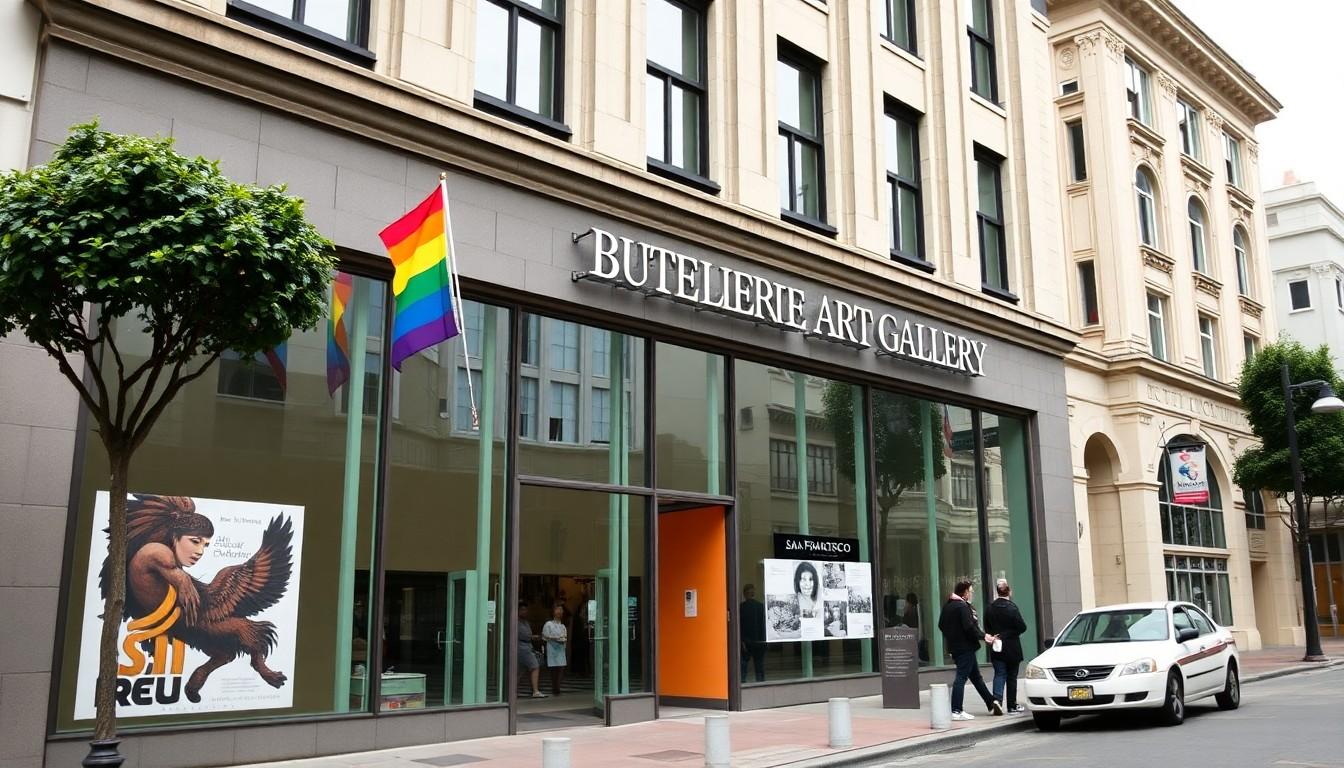
Spotlight the past: Shoppers of history and curious locals are flocking to Queer Arts Featured this August to see “Rebels, Criminals, Pioneers: Masc Heroes of the QPA Queer Photo Archive (1906–1976)”, a striking show of vintage portraits that reframes butch lesbians and trans men as ancestors, fighters and vivid personalities.
Essential Takeaways
- Historic range: Nearly 50 enlarged vintage photos span 1906–1976, documenting early queer life and communities.
- Focus and feel: The collection centres on butch, trans and gender non‑conforming AFAB people; images have a gritty, intimate, sometimes heroic tone.
- Curatorial care: Jenni Olson and Leo Vargha researched identities using archives and newspapers; many photos were sourced from collectors and online marketplaces.
- Standout stories: Portraits include figures like Sir Ewan Forbes and Bay Area educator Steve Dain, plus compelling personal tales such as Richard Orlando’s courtroom battle.
- Practical visit info: Opening reception is on 7 August, show runs through 27 September at Queer Arts Featured, 575 Castro St.
Why these vintage mugshots feel like portraits of heroes
You feel it the moment you look: grainy paper, stern faces, a quiet stubbornness that reads as dignity rather than shame. According to the Bay Area Reporter, many subjects were arrested simply for presenting as butch or living as men, and curators intentionally display these images to flip that narrative. This exhibit makes archive material look alive , enlarged and hung like formal portraits , so visitors can register expressions, clothing details and the intimacy of couples. If you’re used to sanitized queer histories, this is refreshingly raw: a reminder that resistance was everyday and ordinary.
How the collection was built and why it matters
Jenni Olson began collecting original 8" x 10" newswire photos in 2017 and the QPA Queer Photo Archive grew from there. Olson told the Bay Area Reporter she scoured eBay, specialist sellers and collectors to assemble images, and when the collection hit about 100 photos she named it the QPA. Curators say preserving these images does more than document , it restores agency to people who were criminalised and erased, and it gives researchers and families tangible traces of queer lives. For visitors, the backstory of sourcing has a scavenger‑hunt quality that adds to the exhibit’s intimacy and urgency.
Stories that pull you in , the lives behind the faces
Research by intern Leo Vargha, using newspaper archives, helped surface surprising details about the people pictured. One vivid account: Richard Orlando, a carpenter on film sets, married a woman using forged ID and was later arrested; his resistance in custody led a judge to call him mentally unbalanced and acquit him. Other portraits honour public figures like Sir Ewan Forbes, a Scottish baron who navigated being a trans man in the 1950s, and Steve Dain, a Bay Area teacher who campaigned for trans rights decades ago. These mini biographies turn static images into narratives; they’re great conversation starters and invite visitors to imagine whole lives beyond the frame.
Visiting the show: what to expect and why to go
Queer Arts Featured in the Castro is showing the exhibit from 7 August (opening reception 5–8pm) through 27 September at 575 Castro St. Expect nearly 50 enlarged photos arranged to highlight expression, dress and context, with some paired to tell fuller stories. Bring a friend who loves history or someone curious about queer lineage; the images work best when you linger and read the captions. If you’re planning a trip, pair it with a stroll around the Castro , the show sits in a neighbourhood that’s itself a living archive of queer culture.
The exhibit in a wider scene , how local arts are reshaping memory
Queer Arts Featured has been staging work that connects art with community histories, and this show joins other neighbourhood projects that highlight neon signs, film heritage and sex‑worker perspectives. According to arts coverage of the area, there’s momentum in the city for shows that foreground marginalised voices, and this archive‑driven exhibit slots neatly into that trend. For anyone interested in cultural repair or archival reclamation, seeing these photos feels like witnessing a small corrective , a visual insistence that queer people have always existed and fought to be seen. And for many visitors, it’s simply moving to find faces that resonate with family stories or personal identity.
It's a small exhibition with a big heart , come see the faces that history tried to hide.
Source Reference Map
Story idea inspired by: [1]
Sources by paragraph: