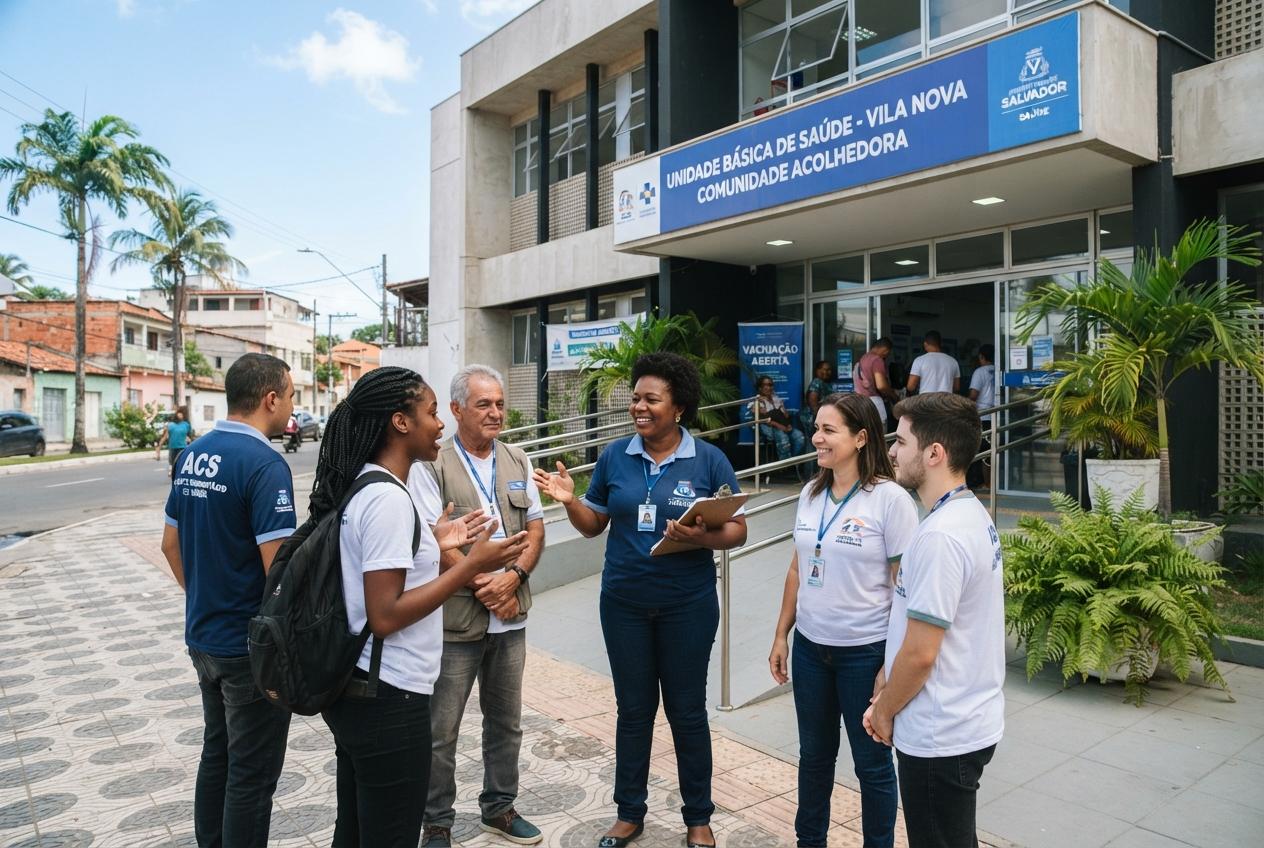
Shoppers of policy are taking notes: Brazil’s decision to run HIV prevention and treatment inside its own Universal Health System has given it real resilience as donor funding shifts. At Aids 2026 in Rio, advocates laid out why domestic financing, local manufacturing and rights-based programmes matter , and what other countries can learn.
Essential Takeaways
- Constitutional commitment: Brazil enshrined the right to healthcare in 1988, which helped guarantee HIV services are funded and delivered nationally.
- Independence pays off: Brazil eliminated mother-to-child HIV transmission in 2025, showing the benefits of sustained domestic programmes that are easy to access and well integrated.
- Funding vulnerabilities: Cuts to foreign aid and research budgets like NIH can still limit access to cutting-edge treatments and slow innovation.
- Policy trade-offs: Past policies such as a Financial Transaction Tax offered revenue but had flaws; lessons include designing progressive, equitable domestic financing.
- Practical shift: Local production of medicines and redirecting funds from punitive drug policy to harm reduction can strengthen health sovereignty and prevention.
Why Brazil’s health sovereignty felt less like luck and more like design
Brazil’s removal of mother-to-child HIV transmission from the problem list in 2025 is a quiet, effective victory that smells of clinic corridors and late-night campaign meetings. According to the Brazilian health ministry and WHO validation, this milestone reflects steady public investment and integrated services. Advocates at Aids 2026 said the win wasn’t an accident; it springs from a system where HIV care sits squarely inside the Unified Health System, not on the whim of international donors. For countries watching, the message is clear: embedding services into national systems gives programmes staying power and a friendlier user experience.
How constitutional rights turned into budgets and clinics
Brazil’s 1988 constitution turned healthcare from a promise into a legal duty, and that change rippled into budgets and delivery. Gestos’s political liaison explained that civil society pressured for HIV care to be earmarked inside the public system, so funding became routine rather than project-based. The upside is predictability , clinics know they’ll be stocked, and patients don’t have to navigate charity cycles. The caveat is that legal entitlement alone doesn’t solve procurement or pricing; Brazil still negotiates with pharmaceutical companies and faces limits accessing the newest prevention tools.
Donor retrenchment: the rupture everyone saw coming
At the conference, organisers and NGOs described the recent contraction of donor funding , including the dissolution of familiar agencies , as dramatic but not surprising. Gestos staff said they’d tracked increasingly restrictive funding language at the UN for years, which often targeted sexual and reproductive health and LGBTQ+ services. That trend made it harder for some countries to maintain inclusive programmes. Meanwhile, analysts at Harm Reduction International flagged how foreign aid sometimes ties purchases back to donor economies, reducing autonomy. For policy planners, the lesson is to anticipate shocks and diversify funding streams before donors change course.
Practical moves other nations can adopt now
There’s no single fix, but several pragmatic steps stood out at Aids 2026. First, ringfence HIV services in national budgets so they aren’t reliant on external grants. Second, invest in domestic manufacturing or pooled regional procurement to lower costs and reduce reliance on donor-specified suppliers. Third, repurpose money that fuels punitive drug policies into harm reduction , sterile syringes, testing, outreach , which is both humane and effective. And fourth, design taxes or levies that are progressive and explicitly allocated to health; Brazil’s Financial Transaction Tax was useful but also showed how design matters if you want fairness.
Human costs and the limits of resilience
Even countries with strong systems rely on the people who deliver care, and advocates warned that goodwill can’t be a financing strategy. Organisations are often kept afloat by unpaid or underpaid staff and volunteers, which risks burnout and service gaps. Experts argued that resilience must translate into sustainability , pay frontline workers, fund community-led groups, and stop treating civil society as a stopgap. Looking ahead, Brazil’s achievement offers hope, but it also reminds us that rights, budgets and real wages must line up for health sovereignty to last.
It's a small change in policy that can make every prevention strategy steadier , and people’s lives safer.
Source Reference Map
Story idea inspired by: [1]
Sources by paragraph: