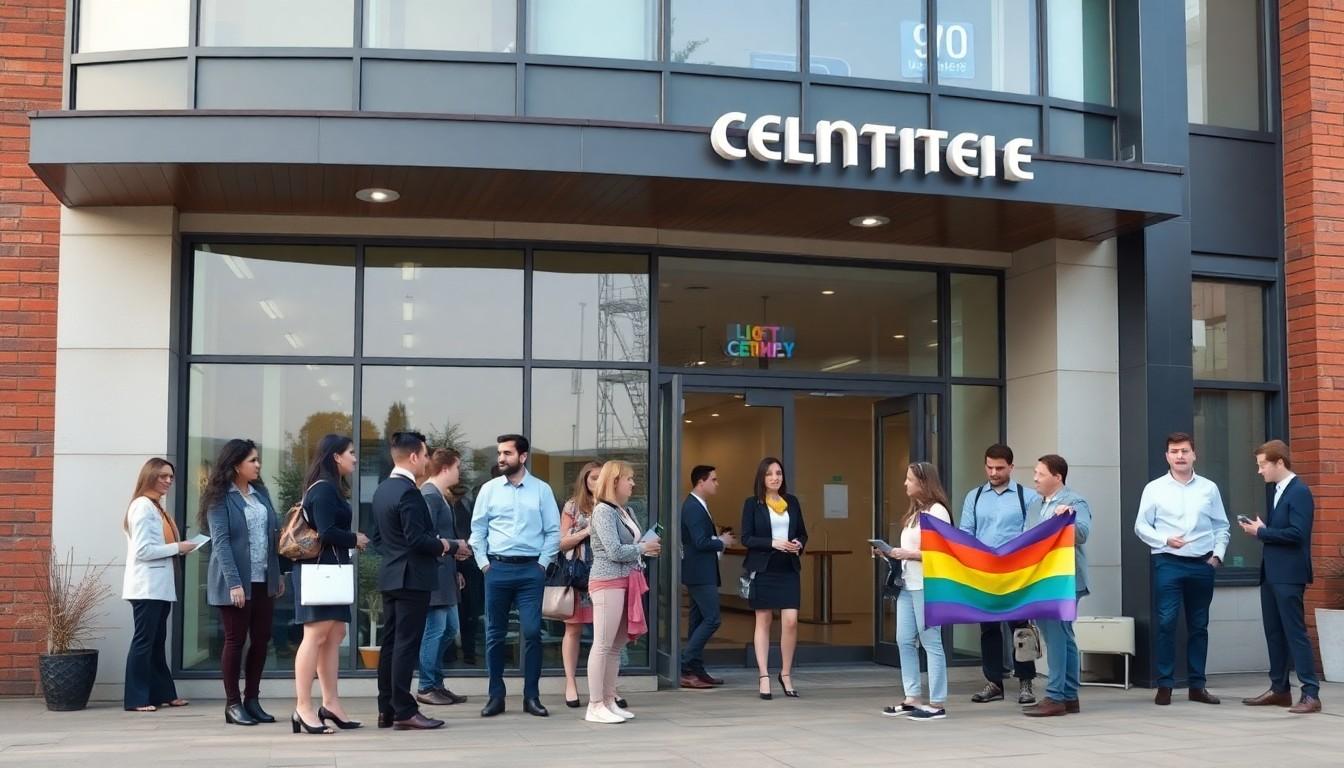
Shoppers, voters and policymakers are waking up to a simple truth: excluding LGBTQ+ people doesn’t just hurt individuals, it weakens whole societies. This piece looks at the economic, social and organisational costs of homophobia and transphobia, and why inclusion is as much about resilience as fairness.
Essential Takeaways
- Economic drag: Studies estimate homophobia can shave around 1–2% off GDP in some countries through lost productivity, reduced earnings and health-related output losses.
- Health toll: Mental-health problems, higher HIV burden and suicide risks translate into real workforce and healthcare costs.
- Tourism and reputation: Countries with homophobic reputations often forfeit tourist revenue and international investment, a visible economic penalty.
- Social capital lost: Exclusion erodes trust, cooperation and empathy, qualities that matter for stable communities and crisis resilience.
- Organisational impact: Teams and institutions lose innovation and collaboration when people hide identity or are ostracised.
Why economists started counting the cost , and what they found
The headline here is blunt: discrimination has measurable economic effects, not just moral ones. According to work commissioned at the World Bank and carried out with economist Lee Badgett, workplace discrimination, poorer health outcomes and lost productivity can add up to a sizeable slice of national output. In India, for instance, early estimates put the figure at roughly 1.7% of GDP, a hit big enough some economists would call recessionary.
That framing was deliberate, policy and business leaders often listen most when cost-benefit numbers are on the table. Yet the calculations are conservative; they usually leave out harder-to-quantify losses like foregone entrepreneurship, lower educational attainment and the innovation missed when large swathes of people feel unable to contribute fully.
If you’re picking a metric to grab attention, GDP is it. But remember this: numbers open doors, not hearts. Economic arguments move some decision-makers, and that’s a useful lever for change.
The health and human price that shows up on the balance sheet
When people face stigma and violence, mental and physical health suffer, and that drains economies. Higher rates of depression, anxiety and suicide, plus the health costs associated with HIV in some regions, mean more sick days, lower productivity and greater treatment bills. International health agencies have repeatedly highlighted how homophobia intensifies these burdens.
Practical takeaway: employers and policymakers can cut costs while doing right by people by investing in inclusive healthcare access, anti-bullying programmes and targeted mental-health support. Those interventions are cheaper than the downstream expenses of neglect.
Reputation matters: tourism, investment and the cost of being seen as unwelcoming
Places known for hostility to LGBTQ+ people don’t just earn moral opprobrium; they lose tourists and business. Advocates have long argued, and media coverage has shown, that nations with homophobic laws or violent reputations turn away visitors, conferences and the international talent firms need.
If you run a tourism board or an inward-investment agency, inclusion is a practical marketing strategy. Tourists look for safe, welcoming destinations and multinationals prefer legal certainty and social stability. The cost of exclusion can be direct and visible in hotel bookings and FDI flows.
The quieter organisational wound: creativity, cooperation and the ‘hidden’ roles of inclusion
There’s a subtler argument that isn’t about money so much as capacity. Some researchers and commentators suggest same-sex behaviour and queer social networks historically helped build alliances, ease tensions and foster cooperation in groups, from primate societies to human communities. When people hide or are excluded, teams lose empathy, candid feedback and the kinds of social glue that make collective problem-solving possible.
In practice, that shows up as risk-averse meetings, stunted innovation and higher staff turnover. So while you won’t always put a price on it in an audit, the organisational loss is real. If societies need more cooperation to navigate climate shocks, migration flows or AI-driven disruption, shrinking social capital is a poor trade-off.
Why numbers alone aren’t enough , the moral and spiritual case
Economic studies and health statistics are persuasive for many, but not everyone responds to balance sheets. For some communities, exclusion is defended on moral or religious grounds, and pointing to GDP won’t change minds. That’s where the argument about social and spiritual harm gains purchase: a society that marginalises a significant group risks losing part of what binds people together, compassion, mutual obligation and the capacity to forgive.
That’s both a political and personal appeal. Campaigners and leaders who want durable change need to pair economic evidence with stories, moral clarity and visible solidarity. Inclusion then becomes not just a line item but a communal investment in resilience and dignity.
Closing line
Small policy shifts and workplace practices can make a big difference , and inclusion pays back in healthier, more creative and more stable communities.
Source Reference Map
Story idea inspired by: [1]
Sources by paragraph: