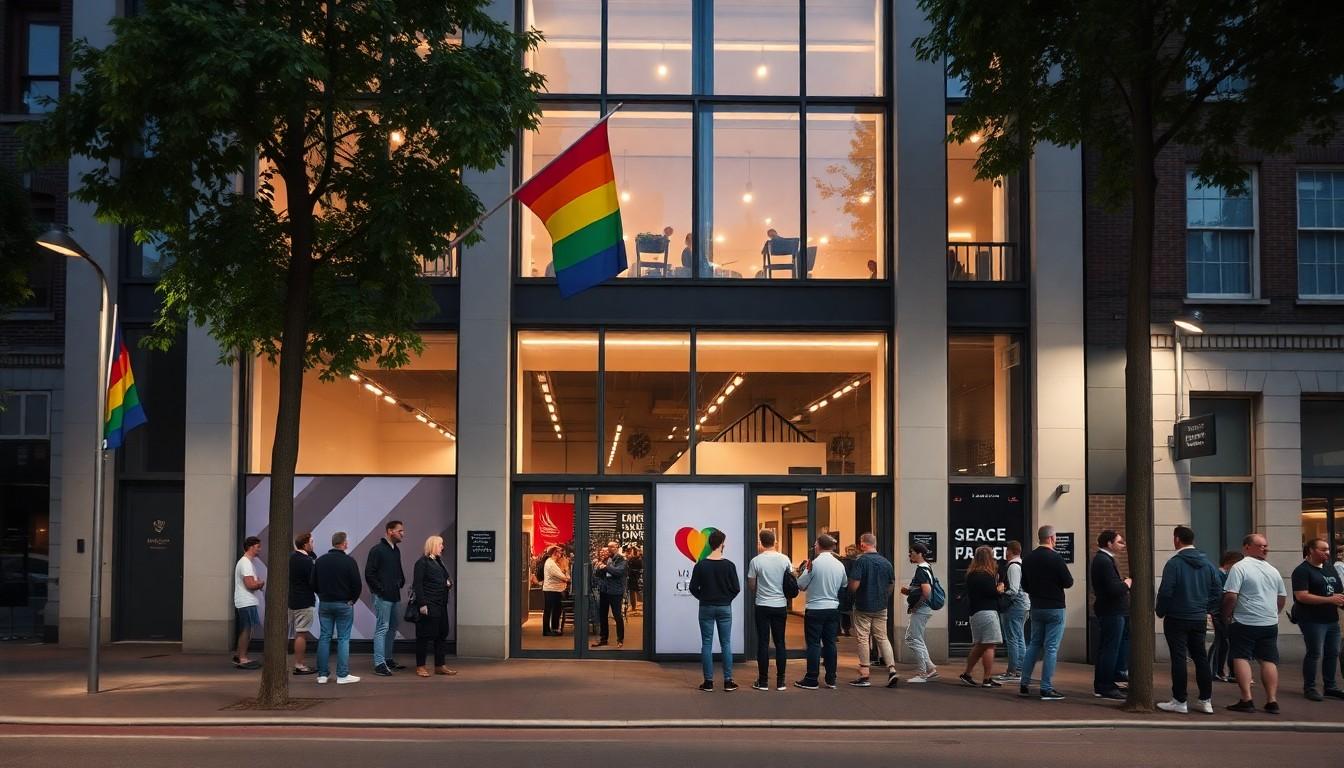
Shoppers, revellers and visitors have been reporting incidents: dozens filed complaints during the opening weekend of WorldPride Amsterdam, highlighting safety concerns even amid the festival atmosphere and showing why visible reporting and safer spaces matter.
Essential Takeaways
- High report volume: Rita logged more than 70 discrimination reports over the opening weekend, far above its usual daily rate.
- Hotspots identified: Many incidents occurred leaving central events like the Milkshake Festival and Pride Walk, and at transport hubs such as stations.
- Safer spaces in use: Organisers expanded reporting points and staffed safer spaces to help people report and find immediate support.
- Under‑reporting feared: The organisations warn that recorded incidents are probably only a portion of what actually happens.
- Policy and tech in focus: WorldPride programming includes sessions on tech‑facilitated violence, underscoring new threats and responses.
A big party, and a worrying uptick in reports
The canal parade and surrounding parties brought colour, music and packed streets, but organisers also saw a spike in discrimination reports that felt sharp amid the festivities. Rita, the reporting initiative working with Discriminatie.nl, recorded more than seventy reports over the first weekend , markedly higher than its usual few a day. That contrast makes the mood complicated: joyful public moments alongside real safety concerns.
The immediate context matters. Many reports came from people leaving major events such as the Milkshake Festival and the Pride Walk, and several incidents were reported at train stations. According to local coverage, the increase mirrors last year’s trend, when reporting jumped dramatically; organisers and volunteers say heightened visibility of reporting points likely helped more people come forward.
Why organisers expanded reporting and safer spaces
Amsterdam authorities and Pride organisers broadened reporting points this year, and made safer spaces more visible across the city. The idea is simple: if someone feels threatened or experiences harassment, they can find a staffed location to get help and log a complaint without navigating phone menus or confusing procedures.
Practical benefit: these points make it easier to collect consistent information and offer immediate support , from a quiet corner to safety advice. Officials and campaigners argue that the uptick in reports can partly reflect this increased accessibility, which you should see as a success rather than only a sign of growing hostility.
Where incidents are happening and what that tells us
Transport hubs and neighbourhood streets cropped up repeatedly in the reports. That pattern isn’t unique to Amsterdam; public transport and the walk home are often moments of vulnerability at large events. For attendees, that means planning ahead: travel in groups, use official night transport where possible, and note the nearest safer spaces or help points.
Organisers have also flagged that the recorded figures are likely a fraction of total incidents. Many people still don’t report abuse because they feel it’s too small, they fear a complicated process, or they don’t realise there’s help available. Increasing awareness remains part of the response.
Tech, policy and a changing risk landscape
WorldPride this year also devoted attention to how technology affects queer safety, with sessions on tech‑facilitated violence and the role of AI in both harms and protection. That conversation is timely: digital tools can amplify harassment but also provide better reporting systems and evidence-collection if used thoughtfully.
Policy responses are evolving too. City and event rules aim to balance celebration with safety; for instance, Pride’s published house rules and the city’s leisure guidance make clear what behaviour is acceptable and what support is available. Expect organisers to keep refining measures as patterns of incidents and reporting change.
What attendees can do now
If you’re at WorldPride or heading to large queer events, take simple precautions: travel with friends, save local reporting contacts, and make a mental note of official safer spaces. If you experience harassment, reporting helps others as well as yourself , it builds the case for better protection and shows organisers where to concentrate resources.
And don’t forget the small comforts: a quiet break, a water stop, or a volunteer’s ear can change an evening from stressful to manageable.
It's a festival of visibility and joy, and these steps help make it safer for everyone.
Source Reference Map
Story idea inspired by: [1]
Sources by paragraph: