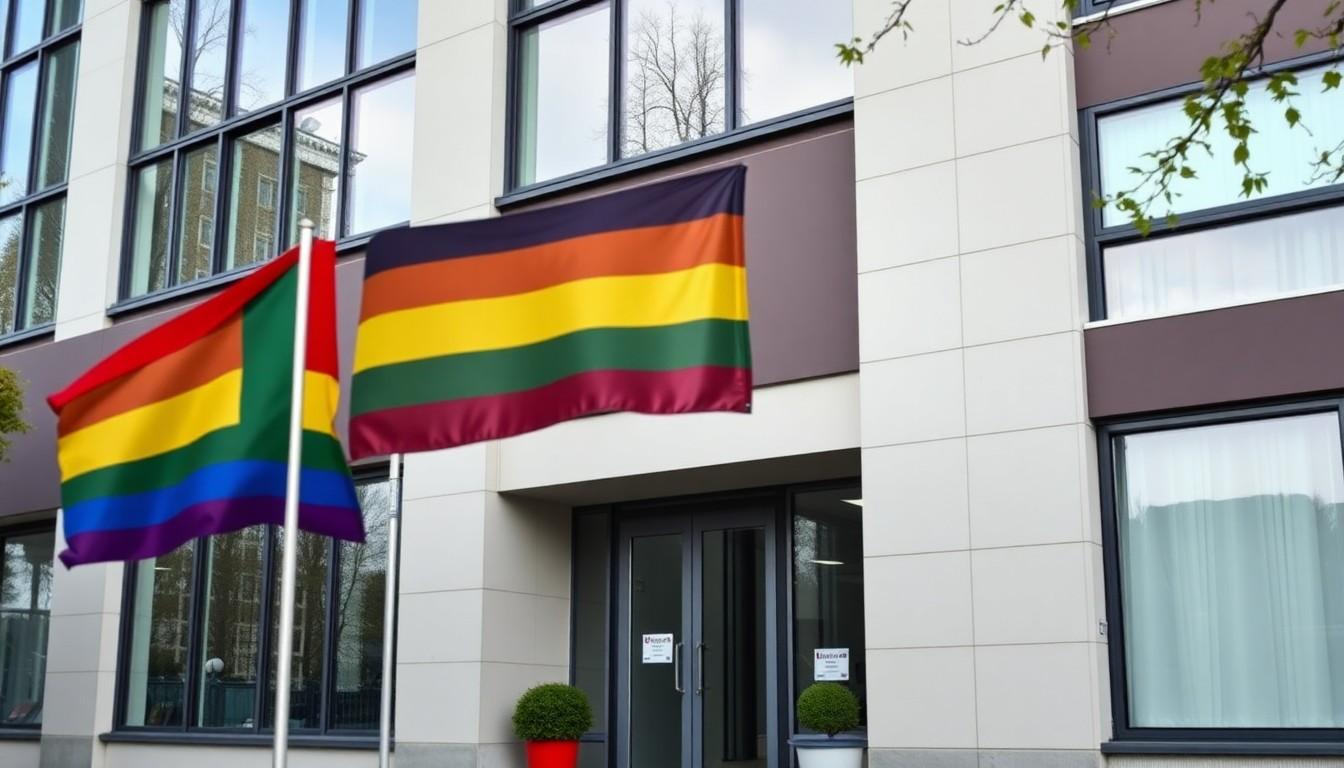
Listen in: Wochentaz’s Reingehen podcast digs into the shock and aftermath of the Berlin CSD attack and then hops to Buenos Aires to explain how Javier Milei’s radical economic moves are reshaping everyday life. The episode matters because it links public trauma, social media reaction and political change to real human consequences.
Essential Takeaways
- Immediate impact: A vehicle driven into the crowd at Berlin’s CSD left one person dead and dozens injured, creating confusion and a raw, public grief.
- Community response: Victims and witnesses reported not only solidarity but also a wave of online and in-person hostility toward the queer community in the attack’s aftermath.
- Legal follow-up: Authorities launched a criminal investigation; public prosecutors are handling charges and evidence-gathering as the case progresses.
- Argentina’s shift: Javier Milei’s government is pushing deep market reforms , privatising services, rewriting labour rules and expanding private insurance , with visible effects on workers and consumers.
- Everyday stakes: These are stories about people: how a sudden act of violence ripples through a community, and how sweeping economic policy reshapes household budgets and job security.
A loud, chaotic CSD moment that left people stunned
The podcast opens with a scene that’s tactile and shocking: screens flashing “Evakuierung” while thousands watch and wonder what’s happening. According to reporting in Berlin, a car ploughed into the crowd at the edge of the Tiergarten, killing one person and seriously injuring many more. The immediate image is of bystanders becoming first responders, of medics, and of an outdoor celebration turning into an emergency zone. It’s the kind of jolt that lingers.
Listeners hear from someone who was in the crowd , the experience is described in close, human terms , and the episode notes how witnesses struggled with both grief and the scramble for facts. Authorities have opened criminal proceedings, and journalists and prosecutors continue piecing together timelines and evidence as the legal process unfolds.
Solidarity, and then something harsher: how the queer community was treated
The Wochentaz episode flags a difficult secondary story: alongside offers of help, there was a surprising current of mockery and blame directed at queer people. That reaction, the hosts explain, didn’t come just from strangers online but also from sectors of the public conversation. It changed how survivors and the community could process the event, replacing a simple narrative of support with one that’s more ambivalent and fraught.
Putting this into context matters. Coverage from Berlin outlets shows that public sentiment can harden quickly after an attack, and that social media often amplifies anger and misinformation. For readers and listeners, the practical takeaway is to check facts, look for verified appeals for help, and remember that communities hit by public trauma often need time and space to grieve safely.
What prosecutors and police are doing , and why the details matter
Officials are treating the incident as a criminal attack, and the investigation is ongoing. That means forensic work, witness statements and careful legal assessment, all of which take time and can feel opaque to the public. The podcast points out that transparency from authorities and responsible reporting help build trust, while rumours can make healing harder.
For anyone following the story, the advice is straightforward: rely on updates from prosecutors and established newsrooms, and resist amplifying unverified claims. This isn’t just media etiquette; it affects victims, witnesses and the course of justice.
From Buenos Aires: Milei’s radical blueprint and the papers people face
In the episode’s second half, attention switches continents. Wochentaz’s correspondent in South America explains how Argentina’s president, Javier Milei, has pushed a suite of market-oriented reforms that are now touching everyday life. The changes aren’t abstract: they include major shifts toward private provision of services, big labour-law changes and a stronger role for private insurance.
Coverage from Argentine papers outlines what that means for workers , easier hiring and firing, longer possible workdays , and for consumers, who may see public services replaced by private alternatives paid for out of pocket. The podcast frames these developments not as economic theory but as decisions that raise the temperature at dinner tables across the country.
Why both stories matter to readers here
On the face of it, a Berlin attack and Argentine economic reform seem unrelated. But the episode draws a neat throughline: policy, media and public behaviour shape how communities respond to crisis and change. Whether it’s ensuring accurate information after an attack, or understanding the daily consequences of sweeping reforms abroad, both stories highlight the real-world stakes of politics and press coverage.
If you want practical steps: support reputable charities helping victims, confirm facts before you share, and if you’re curious about global policy trends, follow on-the-ground reporting to see how reforms play out in ordinary lives. It’s quieter work, but it’s where impact is visible.
It's a small change in perspective that helps you see these big stories as human stories.
Source Reference Map
Story idea inspired by: [1]
Sources by paragraph: