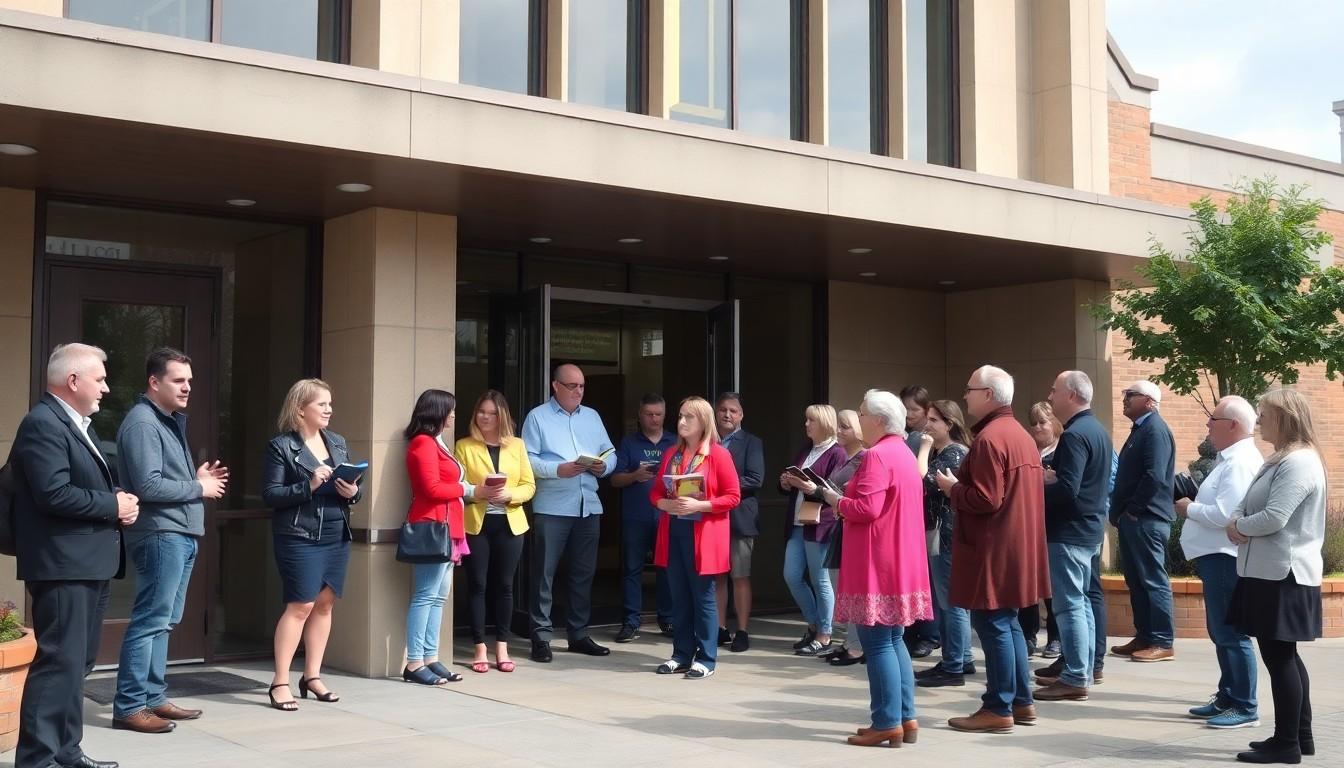
Shifts are happening in Catholic conversation: supporters hail Study Group 9 as a step toward a more listening Church, while critics warn it muddies doctrine and leaves some faithful feeling unseen. Here’s what this dispute means for LGBTQ+ Catholics, seminarians, teachers and campus journalists, and why it matters now.
Essential Takeaways
- Wider praise: Many Catholic leaders describe the Synod Study Group 9 report as a move toward pastoral listening and less condemnation. It feels warmer and more open to some faithful.
- Conservative pushback: Critics argue the report misrepresents groups like Courage International and risks undermining traditional teaching; several bishops and cardinals have publicly objected.
- Vocational debate: Fr James Martin and others stress that sexual orientation alone shouldn’t bar men from the priesthood; emotional maturity and fidelity matter most.
- Real-world consequences: From a UK teacher dismissed for anti-LGBTQ+ classroom remarks to Indonesian student journalists silenced for Pride coverage, the row plays out in schools and campuses.
- Lived faith: LGBTQ+ Catholics and allies continue public acts of belonging, including an open letter with artwork to the Pope, signalling resilience and hope.
Why the Synod Study Group 9 report has become such a flashpoint
The report landed like a pebble in a pond and already the ripples have reached bishops’ conferences, seminaries and parish noticeboards. Supporters say it models a gentler tone , language that invites conversation rather than immediately policing consciences , and that feels, to many, like relief.
But conservative voices have been quick to say the same wording distorts doctrine or leaves out certain perspectives. According to OSV News, groups like Courage International object to how their mission was described, while some prelates worry key questions about teaching and discipline were sidestepped. The result is a messy middle ground where pastoral warmth collides with doctrinal caution.
Practical takeaway: watch diocesan briefings and local seminary guidelines , the national response will shape how parish life actually changes.
Can being gay and being a good priest coexist? The debate about seminarians
Fr James Martin’s essay on Outreach pushes back on the idea that orientation should be a disqualifier for priesthood candidates. He points to decades of examples where gay men, living faithful celibacy, have served with deep pastoral tenderness and emotional maturity.
This reframes the core question. Vatican documents that once spoke of a “tendency” to be overcome now sound increasingly outdated to those arguing for clarity and human dignity. The conversation is shifting from categories to character: emotional maturity, psychological health and commitment to celibacy matter for every candidate.
Practical insight: bishops and seminary directors will need clear, compassionate assessment tools that focus on readiness rather than labels.
Schools and classrooms: the ruling that teachers can’t demean LGBTQ+ pupils
A UK education panel removed a teacher who told students gay and transgender people are “mentally ill,” showing how education authorities draw a firm line between religious belief and abusive classroom speech. The Teaching Regulation Agency decision underscores that curriculum time isn’t for stigmatising pupils.
This has wider meaning: when schools are tasked with safeguarding, claims of religious conscience don’t give licence to harm. For LGBTQ+ students, that ruling is a practical protection; for teachers, it’s a reminder to separate personal views from professional duties.
Tip for schools: clear policies and training on inclusive language can prevent incidents and protect vulnerable pupils.
Campus pressure and censorship: the Indonesian student journalists’ story
Student reporters at the University of Indonesia published a Pride-month piece on discrimination and were later forced to take it down under threats. UCA News covered the episode, noting how pushback only proved the story’s importance.
This episode reminds us that institutional pressure can silence vital reporting, especially where social attitudes remain hostile. Support from human rights groups and Catholic advocates, like Hendrika Mayora Viktoria, highlights a cross-cutting concern: universities should be spaces for rigorous, dignity-affirming conversation, not intimidation.
Practical advice: student media organisations should document threats and seek legal and press-freedom support early.
Acts of belonging: LGBTQ+ Catholics write to the Pope and keep showing up
Amid controversy, the Global Network of Rainbow Catholics sent Pope Leo XIV a heartfelt letter and original artwork affirming their place in Church life. That gesture is more than symbolic; it’s a public insistence that LGBTQ+ Catholics are praying, serving and belonging.
Such outreach matters because it reframes the debate as about people not abstractions. While institutional statements and disciplinary rulings make headlines, small acts of ministry and community presence quietly sustain faith lives.
Looking ahead: expect continued tension, but also more creative pastoral responses from parishes and networks that want to hold both truth and compassion.
It's a small shift, but one that can make parishes feel more or less like home for many Catholics.
Source Reference Map
Story idea inspired by: [1]
Sources by paragraph: