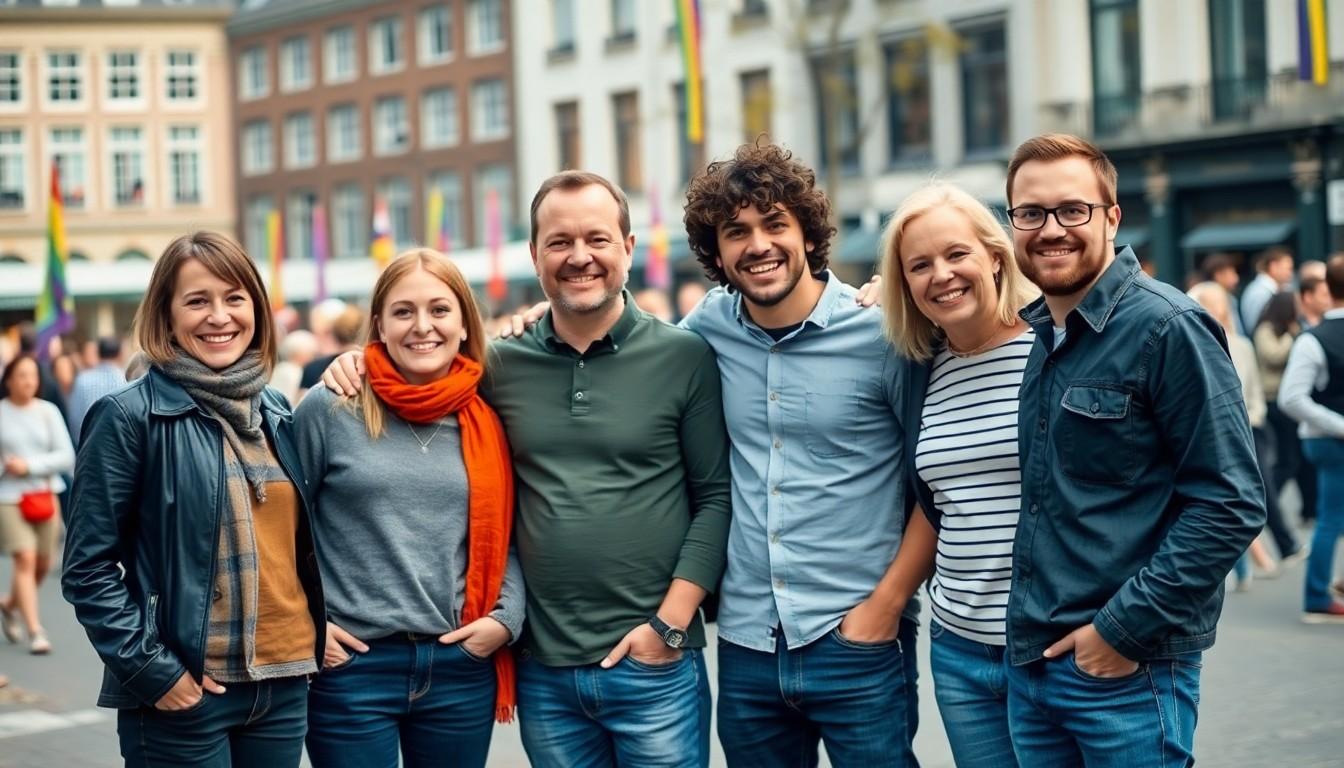
Watch as five queer refugees from across the Netherlands step into WorldPride Amsterdam for the first time, invited by singer Jeangu Macrooy; their stories of escape, loss and small celebrations reveal why Pride still matters as protest as much as party.
Essential Takeaways
- Powerful personal stories: Five statushouders from African countries describe fleeing violence, imprisonment, family rejection and, in one case, the murder of a partner.
- Sensory detail: They arrive with glitter, rainbow capes and a fragrant Ter Apeltaart, a symbol of hospitality and visibility.
- Mixed emotions: The day is joyful yet solemn , Pride is both celebration and protest for safety and rights.
- Support networks matter: Hosts like Jeangu Macrooy and organisations such as VluchtelingenWerk and UNHCR help connect newcomers to community resources.
- Practical impact: Public visibility helps refugees feel seen and valued, which can ease trauma and isolation.
A rainbow cape and a quiet heaviness
They gather around a loaf of Ter Apeltaart , spiced apple, dates, lemon and a hint of rosewater , an oddly tender scene before the march begins. Jeangu Macrooy, who left Suriname for the Netherlands twelve years ago, invited five queer refugees so they could see Pride as more than spectacle. Their emotions flicker between bright laughter and sudden silence as stories of hurt surface, making the colours seem both celebratory and fragile.
Jeangu’s point is blunt: Pride is a protest as much as a party. He worries the movement’s safe-haven reputation is under strain, and these newcomers' tales of persecution remind you why that safe space still needs defending. For readers, the image lingers , glitter tattoos on trembling hands, a rainbow cape draped over shoulders that once had to hide.
From prison cells to parade floats
Koroma and Ebrima are in their twenties, both arriving only a year ago from Sierra Leone and Gambia. Koroma shows scars on his face and recounts months behind bars and periods of sexual exploitation before reaching Europe. Ebrima left university after an attempted arrest and hasn’t seen his family since. Their public kiss on the street is a small, defiant reclaiming of dignity.
These transitions illustrate a hard truth: the path to safety often includes detention and trauma. Organisations such as UNHCR have been bringing LGBTIQ+ asylum seekers into Pride to highlight this reality, and those public, joyful gestures serve a clear purpose , they signal belonging and disrupt the shame that persecutors tried to impose.
Grief carried into daylight
Not all stories end in relief. Namuswe Mariam from Uganda tells of being disowned, tortured by family and then losing her girlfriend , later learning she was dead. Ashura, also from Uganda and non-binary, describes coercion, threats to partners and a forced exile that sent them to South Africa before arriving in the Netherlands.
You can feel the sentence pause when they speak; grief reshapes the morning’s atmosphere. Hearing these accounts in a city that advertises itself as a queer refuge underlines the uneven global reality: some governments and communities punish love, forcing people to seek protection elsewhere. That juxtaposition makes Pride’s protest roots suddenly immediate and personal.
Small rituals, big meaning
Sophie Namata and the others decorate each other with glitter and stickers, and Sophie holds a placard addressing Dutch politics and the visibility that comes from having an openly gay prime minister. Such acts are playful on the surface but politically charged underneath , a way of saying, “We belong here.”
Practical tip: if you’re joining Pride events with refugees or people new to public visibility, be mindful of pace, offer safe spaces to rest and ask before photographing anyone. A supportive environment multiplies the positive effect of a day out.
Why visibility still counts
Evita Bloemheuvel of VluchtelingenWerk points out that these five stories echo many others from African and Arab countries. Coming out can be even harder in some places, and public gatherings like Pride help shift narratives and create networks of care. For newcomers, seeing large, colourful crowds chanting in unison can be a first real lesson in collective protection.
Looking ahead, the message is clear: Pride’s role as protest won’t fade while rights elsewhere are under threat. For refugees finding their feet, the march is a map , of where they belong now and why they must keep fighting for others who can’t yet be seen.
It's a small change that can make every safe step feel a little more possible.
Source Reference Map
Story idea inspired by: [1]
Sources by paragraph: