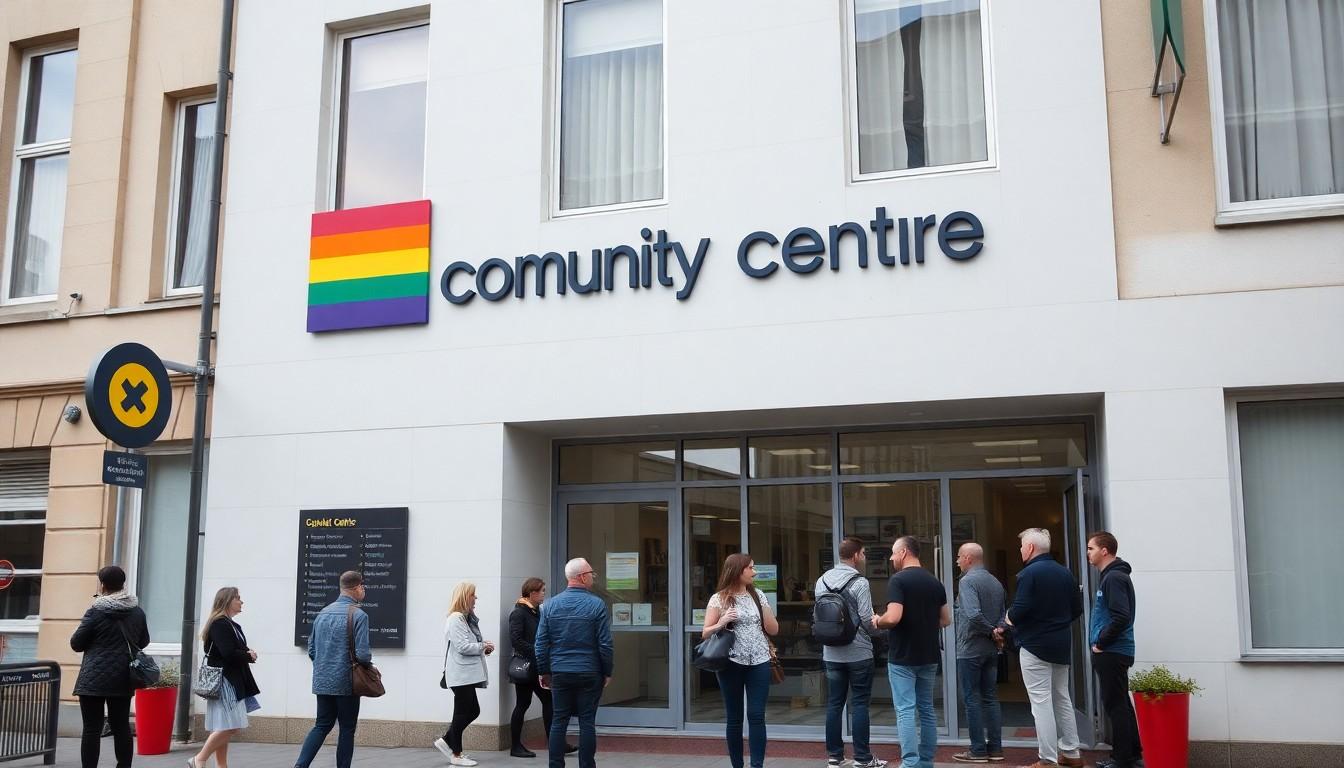
Shoppers and bar-goers are noticing a worrying shift: queer districts from Berlin’s Schöneberg to Brussels’ Kolenmarkt are seeing more threats and attacks, and community groups say better protection, reporting and local support matter now more than ever.
Essential Takeaways
- Rising incidents: Local projects like Maneo record higher numbers year on year, with many attacks unreported and undercounted.
- Visible impact: Victims report fear, self-censorship and avoidance of public spaces; nightlife hubs feel less safe after dark.
- Patterns of violence: Threats range from verbal abuse and vandalism to physical assault and organised attacks.
- Underreporting issues: Distrust of police and stigma keep many incidents off official statistics, so grassroots reporting is vital.
- Practical fixes: Better lighting, volunteer patrols, outreach hubs and clearer reporting routes reduce harm and rebuild confidence.
Why Schöneberg and other gay quarters are suddenly on edge
Berlin’s Schöneberg was once a refuge, heavy with rainbow cafés and bookshops, now volunteers patrol with a small wooden “welcome” hut and emergency numbers. According to Maneo’s report, incidents have climbed and volunteers say the atmosphere at night feels tenser, with people choosing well-lit streets and avoiding public displays of affection. Community volunteers and bar owners describe a shift that’s both sensory and psychological: you notice fewer couples holding hands, and more doors closing earlier.
This change didn’t pop up out of nowhere. Several European monitors and reports, including coverage by Euronews and ILGA-related briefings, show a continent-wide uptick in toxic rhetoric and targeted violence. That trend filters down from political discourse and online hate into street-level behaviour, and it hits visible minorities hardest. Practical takeaways here are simple: local patrols, clear emergency signage and safe meeting points give people tangible choices to stay connected while staying cautious.
What underreporting hides , why official numbers are just the tip
Every time someone decides not to file a police report, the picture gets foggier. Maneo and other NGOs estimate that 80–90% of incidents go unreported, and national surveys back this up with worrying prevalence figures. People tell researchers they fear humiliation, distrust certain officers, or simply can’t face reliving an assault. That means official crime stats understate the problem and policy responses lag behind reality.
Community-led reporting hotlines, anonymous online forms and trained liaison officers in police stations help bridge that gap. Brussels and other cities show how a mix of third‑sector reporting and municipal support can make people feel taken seriously. If you run a venue, post discreet ways for victims to report, and partner with local NGOs so help is immediate and compassionate.
How nightlife spots and businesses are adapting on the ground
Bar owners and staff are squeezed between protecting customers and keeping business afloat. In Schöneberg, owners say assaults and even projectiles thrown from passing cars have become more common; in Brussels, bars report broken doors and attacks within sight of the square. Some operators fit CCTV, install sturdier doors and keep staff trained in de-escalation. Others organise safety shifts or agree on a code with neighbouring venues to keep an eye on people at closing time.
There’s no one-size-fits-all fix. Smaller venues should prioritise lighting, clear exit routes and a simple buddy system for vulnerable patrons. Bigger events need professional security vetted for LGBTQ+ sensitivity. And if your staff are expected to intervene, give them training and mental-health support , it’s hard work and it affects morale.
The role of politics, rhetoric and the online echo chamber
Political messages matter. Experts point to the normalisation of anti-LGBTQ+ rhetoric by high-profile figures across Europe as part of what fans the flames. Meanwhile, social media amplifies threats and grooming of hostile groups. Studies and news outlets have noted how violent narratives migrate quickly between countries, meaning an incident in one city can inspire copycats elsewhere.
That doesn’t mean politics is destiny. Municipal leaders, police chiefs and elected officials can blunt the effect by publicly condemning attacks, funding prevention projects and ensuring hate-crime laws are enforced. Visibility paired with tangible protections , more patrols during Pride, rapid-response victim support , helps turn rhetoric back into safety.
Practical steps communities and councils can take today
There are sensible, achievable moves that make a real difference. First, invest in hyperlocal support: staffed information points, emergency numbers on posters and volunteer night patrols. Second, improve environmental safety with better lighting, CCTV where appropriate and clear transport options at closing time. Third, encourage anonymous reporting channels and train police in LGBTQ+ sensitivity to rebuild trust. Finally, fund mental-health services for survivors and outreach to vulnerable subgroups like trans and gender-non-conforming people.
If you’re an individual worried about safety, choose well-lit routes, travel in groups, flag a venue as a safe space and save local helplines in your phone. For organisers, plan contingencies for events , and remember courage doesn’t mean going it alone.
It's a small change that can make every night out feel safer and a lot more normal again.
Source Reference Map
Story idea inspired by: [1]
Sources by paragraph: