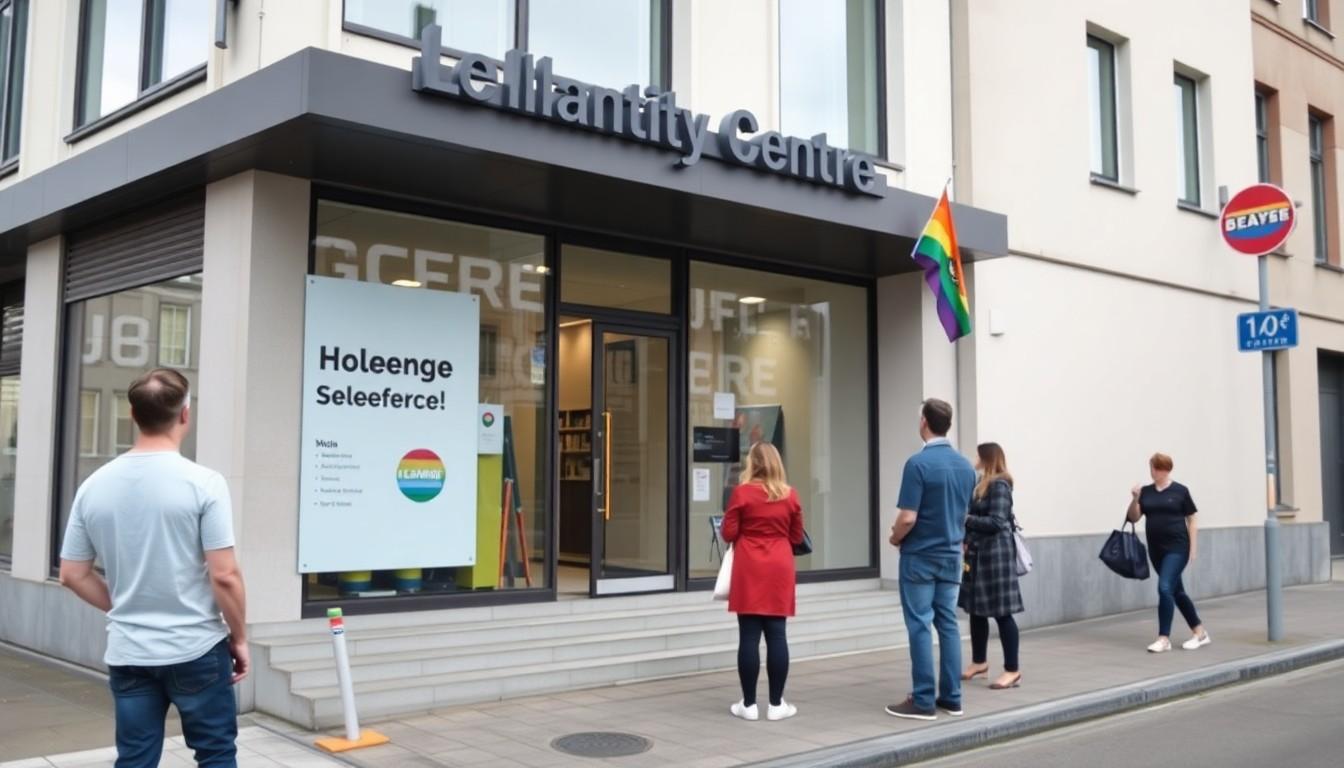
Witness the solidarity and the strain: activists, elders and organisers across Germany are calling for togetherness, clearer politics and safer Pride after the Berlin CSD attack , because who shows up, how we talk about it, and what we demand now will shape queer life for years to come.
Essential Takeaways
- Immediate emotional toll: queer people report shock, grief and heightened anxiety; communal spaces feel simultaneously comforting and vulnerable.
- Community cohesion matters: rural and local CSDs often produce closer encounters and mutual support, but travel and public transit remain anxiety triggers.
- Policy frustration: activists blame cuts to queer youth funding and the absence of queer topics in political agreements for weakening protection and services.
- Intersectional safety concerns: queer people of colour, refugees and disabled activists face distinct risks; organisers are adding awareness teams and targeted programming.
- Call to action: organisers urge allies, unions and broader civil society to mobilise publicly , not just feel sympathy online.
Shock, grief and the instinct to gather
The first reaction was disbelief and a raw personal ache, a sense that something foundational had been cut. Many who were at the Berlin CSD, or who speak for queer groups, say they’ve been crying, angry and exhausted. According to reporting in national outlets, the attack has prompted widespread coverage and debate about motives and responsibility. For ordinary people this translates into mixed feelings: Pride remains a balm, but streets and stations can feel risky again.
It’s no surprise people want to gather. Community cafés and spontaneous meet‑ups have pulled people through before, giving a place to share practical worries , will I be safe on my way home? , and to comfort each other. Those small acts of presence are doing heavy lifting now, and organisers are looking for ways to make gatherings both meaningful and safer.
Why local CSDs feel different , and what that means for safety
Smaller town pride events often carry a different emotional texture than big city parades: you get closer conversations, a neighbourly warmth, and at the same time a sharper awareness of opposition. Activists who travel to rural CSDs talk about swapping heels for trainers and planning escape routes , simple, sensible measures born of lived experience.
This local intimacy can help de‑escalate tension on the day, yet it leaves people vulnerable afterwards when trains and buses empty late at night. Practical steps include arranging buddy systems for travel, agreeing safe meeting points, and working with local transport authorities to keep services visible and staffed.
Politics, funding cuts and the sense of being overlooked
Voices from the scene are critical of the current political climate. Cuts to queer youth networks and the omission of queer issues from coalition papers have left many feeling exposed. Some activists argue the conversation shouldn’t default to law‑and‑order responses that risk scapegoating communities.
Instead, they’re asking for sustained investment in mental‑health services, youth work, and preventive education , the sorts of structural measures that reduce risk over time. Allies and voters may not see these decisions as urgent, but for community organisers they’re the background scaffolding that keeps people safe and engaged.
Intersectionality on the march: who needs more protection?
For many activists the attack reopened old wounds about racism, ableism and exclusion within queer spaces themselves. Organisers of intersectional groups are insisting Pride must be a space for Black people, migrants, disabled people and refugees , and that these groups often face both queer hostility and racist hostility from bystanders.
Practically, that means awareness teams on floats, multilingual safety announcements, accessible routes for people with disabilities and explicit anti‑racism protocols. It also means media and politicians must avoid lumping whole communities together when they report incidents, and instead focus on perpetrators and prevention.
What allies and the wider public can actually do
There’s a repeated plea from activists: don’t just watch and feel bad, act. That looks like turning up to marches and vigils, calling out queer‑hostile jokes, supporting local queer youth projects with donations or time, and refusing quick, divisive narratives in social media arguments.
Organisers also want broader civic institutions to step forward , unions, churches, neighbourhood groups , so responsibility isn’t left to those already targeted. A visible, diverse presence at future Pride events would send a practical, morale‑boosting message: an attack on one of us is an attack on all of us.
It's a small change that can make every march, café and conversation safer.
Source Reference Map
Story idea inspired by: [1]
Sources by paragraph: