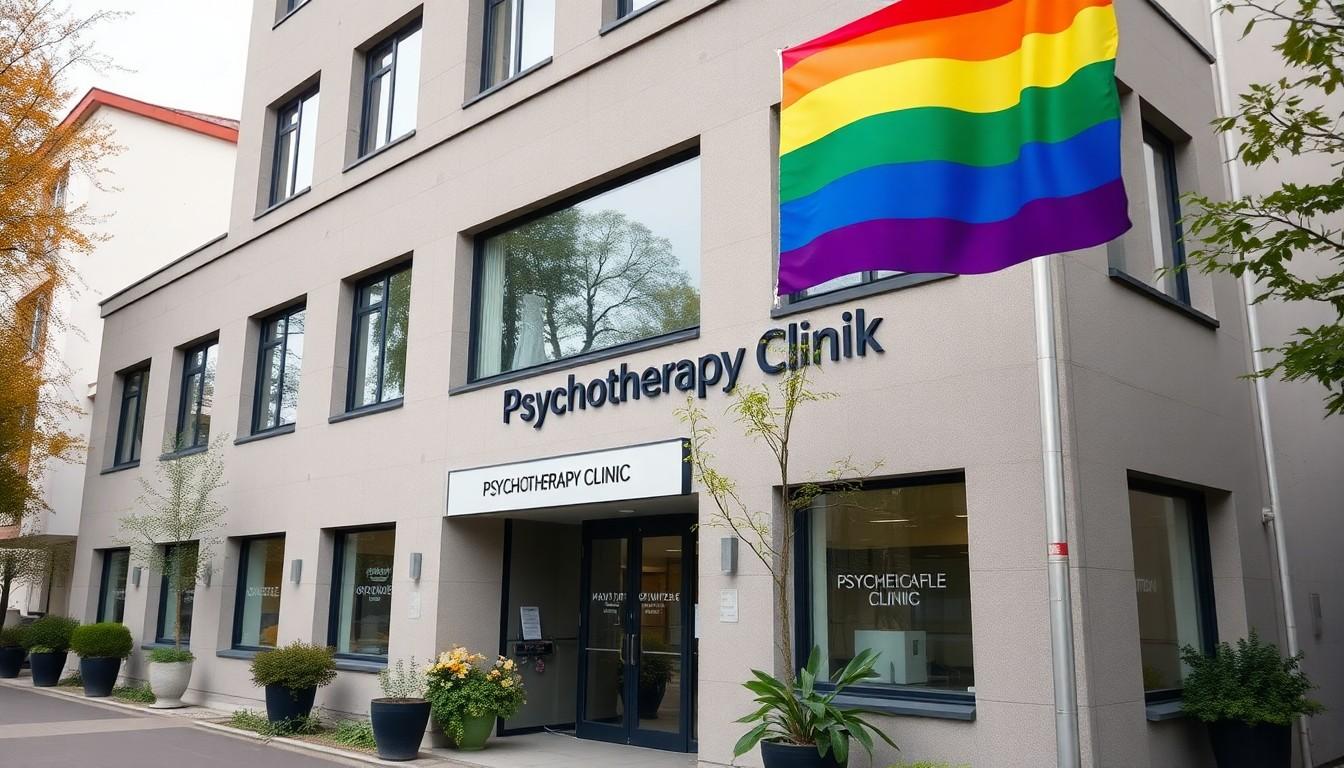
Watchers and neighbours are rethinking how to keep queer communities safe , Berlin has launched a new statewide queer safety strategy that aims to pair physical protections with much-needed psychosocial care, because preventing harm means more than bollards and barriers.
Essential Takeaways
- New strategy: Berlin has adopted a comprehensive Landesstrategie für queere Sicherheit to coordinate prevention, protection and support.
- Beyond concrete: Policymakers are debating physical measures, but the plan emphasises psychosocial care and community resilience too.
- Service shortfalls: Queer people face far higher rates of violence and mental-health struggles; current counselling and therapy training is inadequate.
- Practical next steps: The strategy pushes for funding, targeted outreach, queer-sensitive therapy training and clearer reporting mechanisms.
- Human impact: Better services aim to reduce isolation, treat trauma early and stop victims from becoming perpetrators through neglected need.
Why Berlin's queer safety plan matters now
The shock of attacks at public queer events has sharpened a simple truth: security isn’t only about barriers, it's about people feeling held. The new Berlin strategy follows weeks of public debate and outrage, and it foregrounds both immediate public-safety measures and long-term psychosocial support. According to coverage of the city’s decision, the plan is explicitly meant to stop incidents and to help those left shaken recover with dignity and specialist care.
This matters because queer communities report dramatically higher levels of harassment and violence, and those experiences translate into poorer mental and physical health. If you’re someone who’s felt unsafe on the street or online, the strategy promises coordinated local services and better crisis response , not just temporary scaffolding.
Concrete vs care: the familiar tug-of-war
There’s been a lot of talk about more concrete blocks, checkpoints and stewards at big events. That’s understandable , visible protection can feel immediate and effective. But Berlin’s approach tries to avoid the false choice between physical security and support services. The strategy recommends a mix: improved event security and surveillance where needed, alongside funded counselling, community centres and outreach.
If you organise or attend public events, think of security in layers: trained marshals and sensible layout reduce risk, while accessible psychosocial offers ensure survivors aren’t left unsupported. And yes, bollards help, but they don’t treat trauma.
Where services fall short: training, access and stigma
One glaring gap is the health and therapy system itself. Training for psychotherapists rarely covers minority stress, gender-affirming care or queer-specific trauma, which means clients can face ignorance or even discrimination when they seek help. Waiting lists and underfunded specialist services make things worse.
Berlin’s plan calls for targeted funding and curriculum changes so that professionals can recognise and treat the forms of distress queer people commonly face: depression, PTSD, anxiety and suicidal thoughts. Practically, this means more places on specialised training courses, funded counselling spots and proactive outreach in neighbourhoods and clubs.
How prevention can stop someone becoming a perpetrator
Prevention isn’t only about stopping attacks in public; it’s also about stopping marginalisation from spiralling into violence. Research and advocates show that sustained exclusion, harassment and despair raise the risk of serious harm to individuals and communities. The strategy tackles this by promoting early intervention, community-based programmes and safe spaces where people can process anger and grief without isolation.
For campaigners and policymakers, the ask is clear: fund prevention that builds resilience, not just surveillance. For relatives and friends, the takeaway is to notice signs of chronic stress and help connect loved ones to specialist support before problems escalate.
What this means for queer people and allies on the ground
Practically, queer Berliners can expect more visible co-ordination between police, health services and community groups, clearer reporting channels after incidents, and an increase in state-funded counselling places. Allies should press for accountability as these measures are rolled out, checking that funds actually reach grassroots organisations and that training is mandatory, not optional.
And we should remember the human work already happening: mutual aid, peer counselling and community events that quietly rebuild trust. Policy can boost that work, but it won’t replace it.
It's a small change that can make every public moment steadier and every person feel less alone.
Source Reference Map
Story idea inspired by: [1]
Sources by paragraph: