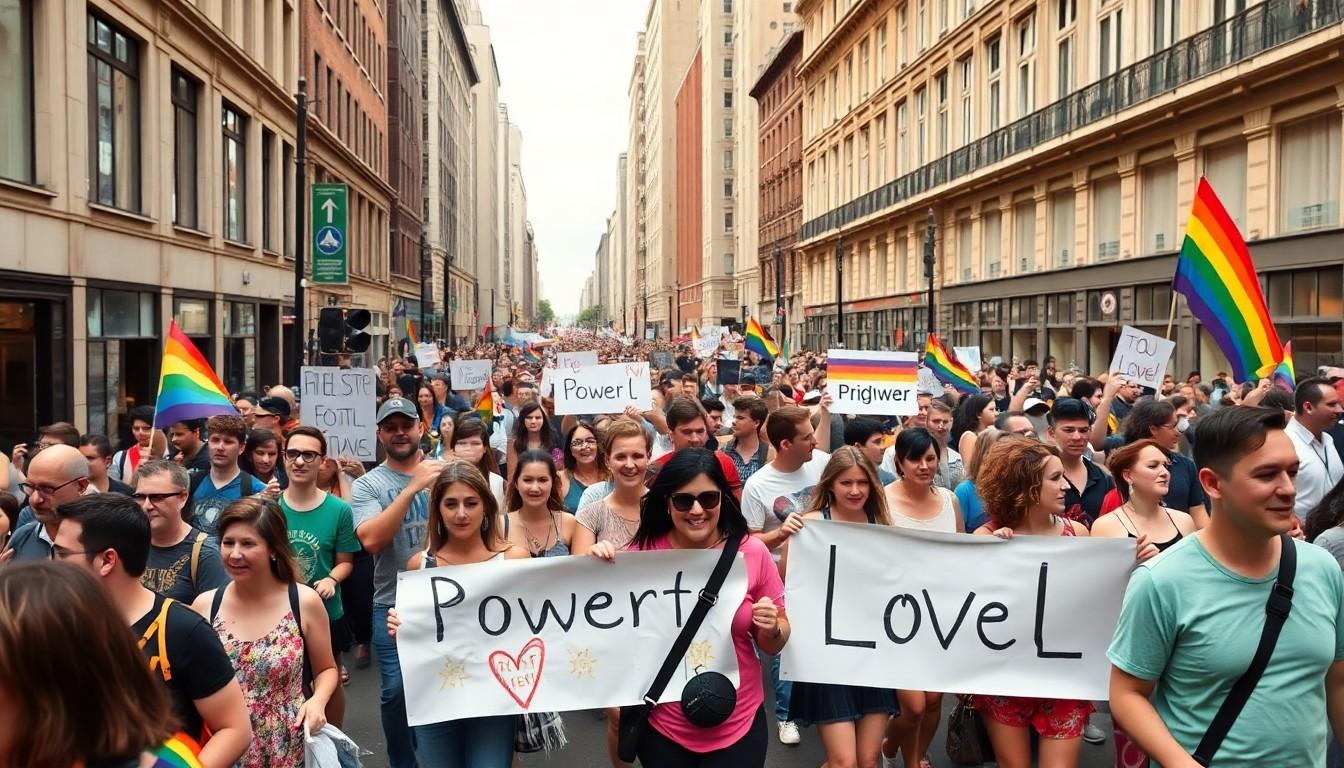
Shoppers and festival-goers turned out in force as thousands celebrated Pride in Brighton , a vivid response to last week’s deadly attack in Berlin, and a reminder why public solidarity matters for LGBTQ+ communities across Europe.
Essential Takeaways
- Big turnout: Thousands joined Brighton Pride under the banner "The Power of Love", with hundreds of thousands expected across the weekend festivals.
- Tone: The atmosphere in Brighton was celebratory rather than fearful, with colourful floats, music and a warm, communal energy.
- Wider response: Pride events also went ahead in Hamburg, Amsterdam and Stockholm, signalling pan‑European resolve after the Berlin incident.
- Security context: The Berlin attack , a vehicle and bladed-weapon incident that left one woman dead and dozens hurt , has raised safety concerns, but organisers and attendees emphasised resilience.
- Cultural highlights: Headliners in Brighton included Raye and Diana Ross, underlining Pride’s mix of politics, performance and public joy.
Brighton shows love loud and proud , and without fear
Brighton’s Pride parade filled the seaside town with a friendly, exuberant buzz that felt almost tactile , banners fluttered, music thumped and people laughed. According to local reporting, the event’s motto this year was "The Power of Love", and the crowd took that literally: hugging, dancing and making a visible stand. Organisers expect the weekend festival to draw hundreds of thousands, with headliners from Raye to Diana Ross offering big pop moments.
The mood mattered because it came a week after a violent attack at a Christopher Street Day event in Berlin. That incident has understandably amplified concerns about safety at public LGBTQ+ gatherings. Still, Brighton’s crowd chose to respond with presence rather than retreat, a common instinct for communities that see public visibility as both joy and protection.
Why Pride went ahead across Europe despite fears
Across Europe, Pride events in cities like Hamburg, Amsterdam and Stockholm continued as planned. Local leaders and performers framed attendance as an act of solidarity. The Swedish artist Efva Attling, for instance, said she felt safe and wanted to show that people are stronger together. That kind of public reassurance matters: it helps prevent attackers from achieving the disruption they seek and keeps community networks strong.
Police and organisers balanced celebration with vigilance. Authorities typically review security plans after any incident; these gatherings tend to involve road closures, bag checks and visible policing while retaining the informal, bright character that makes Pride feel welcoming.
The Berlin attack: what happened and why it changed the conversation
According to reporting, the Berlin strike involved a vehicle used to ram into people and a subsequent knife attack, killing a woman and injuring dozens. The suspect was shot by police and later died, which left communities grappling with grief and shock. Coverage has focused on motives, the suspect’s background and how public events can be protected without stripping away openness.
That event pushed organisers and municipal authorities to re-evaluate risk while also reinforcing the message that Pride remains essential. For many attendees, turning up is a form of defiance against hate , a practical statement that queer life will remain visible and joyful.
How Pride balances openness with safety , practical points for attendees
If you’re planning to go to a Pride event, a few simple steps help keep the day relaxed. Arrive with a charged phone and a meeting spot for friends, wear comfortable shoes and pack water. Pay attention to official guidance about bag size or prohibited items. If security checks are in place, follow instructions , they’re there to protect the celebratory atmosphere you came for.
Organisers often publish maps and emergency contacts ahead of time; sign up to newsletters or check event social channels for real‑time updates. And if you see someone who looks unsure or excluded, a friendly gesture can make a big difference.
Looking ahead: solidarity as both celebration and defence
Pride’s mix of pop performances, political speeches and community stalls isn’t accidental , it’s how movements sustain themselves. Big names on the bill help draw crowds, but it’s the ordinary moments of connection that matter most when people want to show resilience. Brighton’s decision to celebrate loudly after Berlin speaks to a wider instinct: face danger with community, humour and music.
Whether you join a parade or stand in quiet support, the weekend made one thing clear , public pride remains a vital space for visibility, joy and mutual protection.
It's a small change that can make every gathering feel safer and more inclusive.
Source Reference Map
Story idea inspired by: [1]
Sources by paragraph: