Shoppers and sun-seekers alike have noticed Montrose’s double life: a beloved bird sanctuary by day and, historically, a place where gay and bisexual men sometimes meet. Here’s a clear, practical look at where to go, what’s changed, and how to keep things safe if you’re hoping for connection near Montrose.
Essential Takeaways
- Location snapshot: Montrose Point Bird Sanctuary sits just behind Montrose Beach and is a protected, well-known birding spot with trails and viewing platforms. It’s popular, not hidden.
- Beach vs sanctuary: Montrose Beach is more social and visible; the sanctuary is quieter, more secluded and managed, great for birds, trickier for anonymous meet-ups.
- Risks to note: Isolation, mixed-purpose visitors (birders, families), and changing visibility increase the chance of misunderstandings or safety concerns.
- Practical tip: If you want a low-pressure meet, start at the beach where you can read the scene; move only if everyone agrees and safety feels clear.
- Context matters: Montrose’s role in queer social history is real, but the map has changed with conservation, tourism, and policing.
Why Montrose still has a reputation , and what that reputation actually means
The area around Montrose Beach and Montrose Point Bird Sanctuary carries layers: lakefront chill, serious birding, and a quieter lore among some gay and bisexual men. According to birding guides and local histories, Montrose Point is a recognised birding hotspot with protected habitats and structured paths, so it attracts an audience that wasn’t part of older cruising narratives. That overlap, birdwatchers with binoculars and people looking for flirtation, changes the dynamic. So the reputation is real, but the reality is busier and more public than many memories.
The sanctuary is for birds first , conservation changes the vibe
Montrose Point Bird Sanctuary is officially a protected site valued for migratory birds and habitat restoration, with dedicated trails and viewing areas promoted by local conservation groups. That means signage, volunteers, and visitors who come specifically to watch and photograph wildlife. When you’re in a place managed for wildlife, the expectation of privacy shifts: people linger quietly, cameras are common, and paths funnel traffic in predictable ways. If you want discretion, the sanctuary's conservation focus makes it a poor bet.
Beaches are more social , why Montrose Beach is usually a better choice
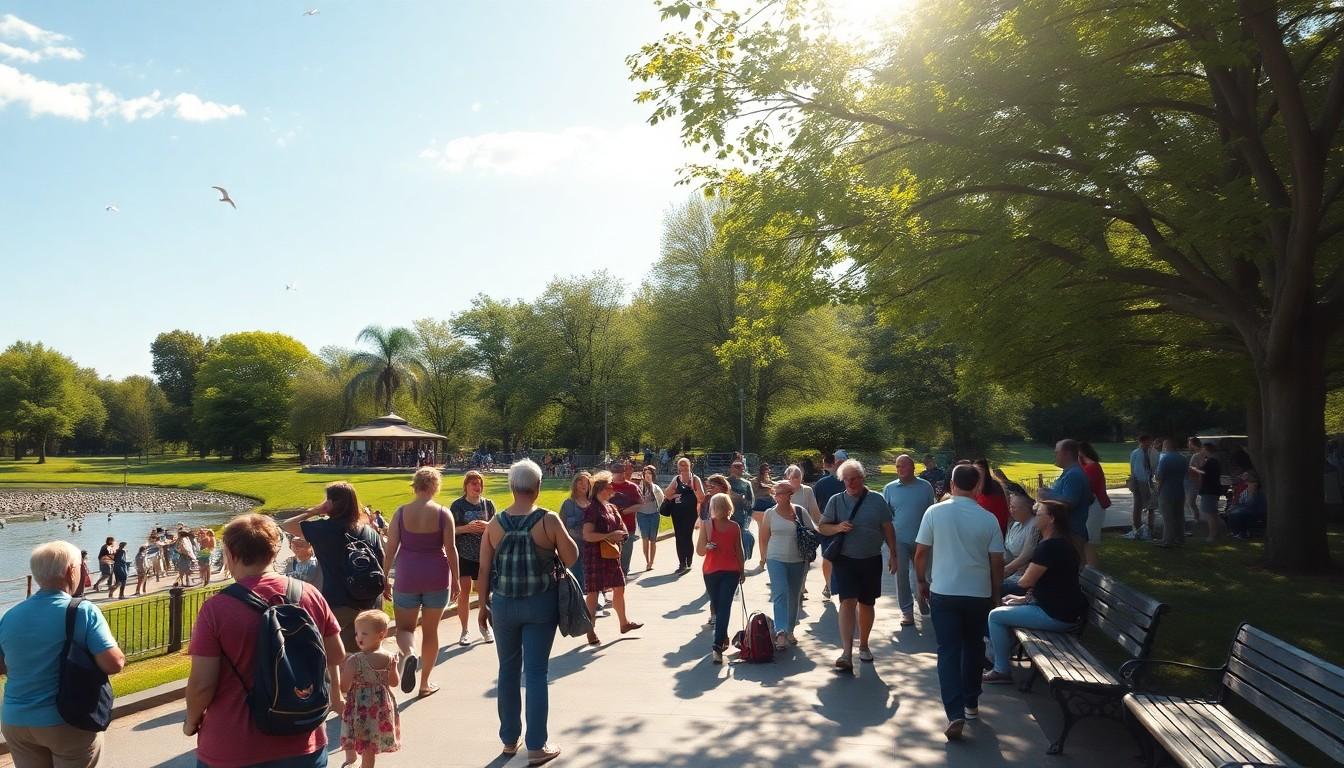
Montrose Beach sits just below the sanctuary and serves a broader, more social crowd, sunbathers, swimmers, dog walkers, and people there to hang out. Travel and city guides point to the beach as a lively, social stretch of lakefront where it’s easier to catch eyes, start a chat, and have bystanders around if you need space to change your mind. If your aim is to meet someone casually and safely, a visible, populated environment gives you natural escape routes and witnesses, which matters more than romance might suggest.
Practical safety tips , how to meet without rolling the dice
Start in public and stay visible. Let a friend know where you are, set a check-in time on your phone, and agree on a safe word if you plan to move away from the main beach. Take note of access routes and park staff or lifeguard stations. If someone pressures you to go somewhere isolated, that’s a red flag, decline and leave. Also: be mindful of others using the sanctuary, families, birders, volunteers, and the legal and ethical implications of bringing sexual activity into protected or family-facing spaces.
When the thrill becomes a pattern , where to look for help
Craving anonymous encounters isn’t inherently a problem, but patterns that feel compulsive or leave you feeling ashamed deserve attention. Therapists and local LGBTQ support services can help you sort out choice versus habit without judgment. And remember: wanting spontaneous connection doesn’t mean you should put yourself at unnecessary risk. Balancing desire with safety gives you more freedom, not less.
It’s a small change that can make every meetup safer.
Source Reference Map
Story idea inspired by: [1]
Sources by paragraph: