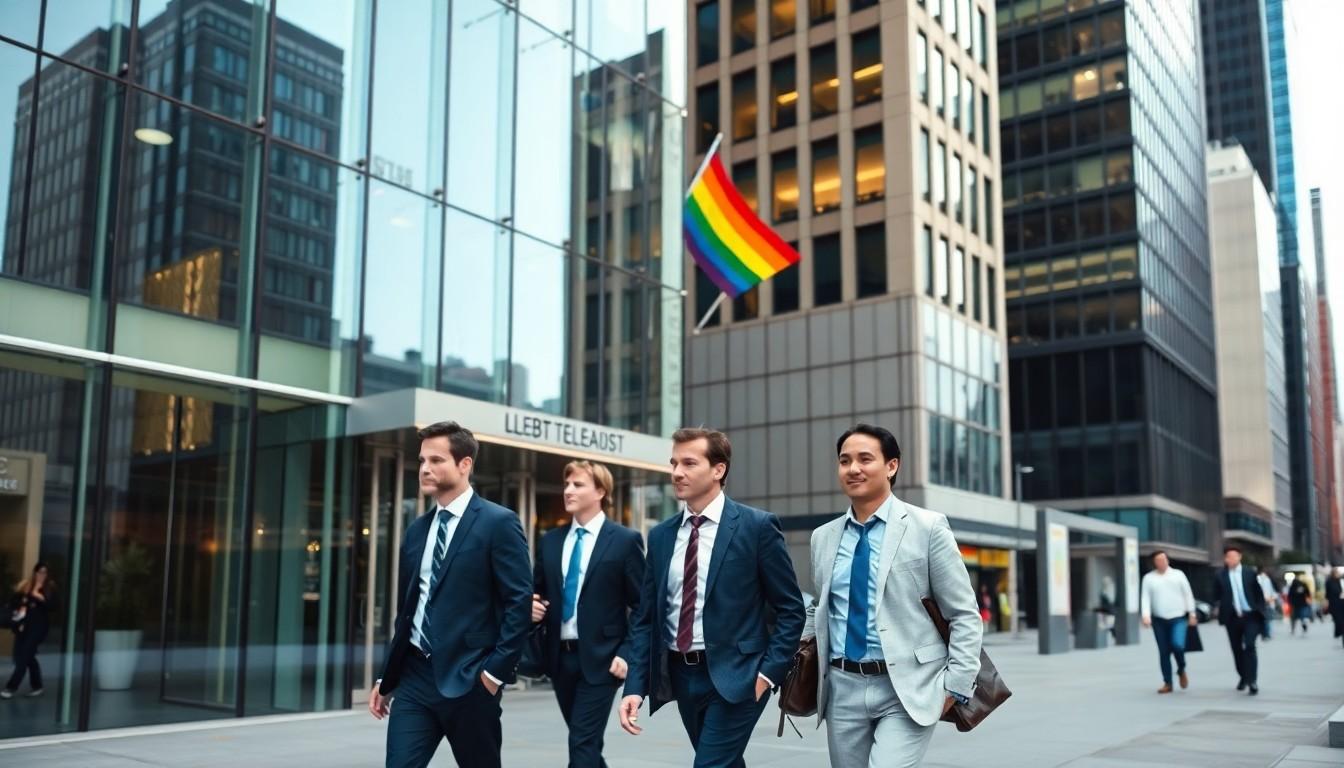
Notice trends: urban scenes and media portrayals have helped shape a popular image of rich gay men, and it matters for how we read culture, housing and nightlife. Reporters, viewers and city-dwellers are asking who really wins , and why that story keeps getting told.
Essential Takeaways
- Visible wealth: Gay men are highly visible in premium neighbourhoods and nightlife, which amplifies perceptions of affluence.
- Industry clustering: Fields like tech, law and media, reported hubs for well-paid queer professionals, concentrate incomes in certain cities.
- Cultural capital: Social habits (frequent dining, travel, grooming) make money easier to spot; the lifestyle reads as success.
- Media echo chamber: Coverage in Wired, The Cut and literary memoirs reinforces a tidy narrative that may simplify complex realities.
- Look beyond memes: Online jokes and viral clips capture a mood, not a census; individual experience varies widely.
Why the image sticks: visibility beats statistics
Start with what you see. Expensive gyms, designer candles and skyline flats make a striking tableau, and humans notice patterns. According to reporting in Wired and feature pieces in The Cut, high-earning gay men in cities are conspicuous: their habits and hangouts are photographed, reviewed and talked about. That visibility magnifies the idea that “gay equals rich.”
Context matters. People working in high-pay sectors tend to cluster in dense urban areas where queer scenes are established, so the overlap of queerness and wealth becomes obvious. Practical tip: when you meet a flamboyant slice of a community, remember it’s not a representative sample.
Industry and network effects: clustering in tech, law and media
There’s some truth to the claim that certain industries attract both high salaries and progressive workplaces that feel welcoming to LGBTQ+ people. Wired’s dive into a so-called “gay tech mafia” points out how networks, mentorships and shared social spaces in places like Silicon Valley create career ladders and partnerships that accelerate earnings for some.
That doesn’t mean every gay man is in tech, or that these networks are exclusive; it does mean industry clustering can produce pockets of concentrated affluence. If you’re comparing cities, check local job markets and which sectors dominate , that’s the real economic story, not a meme.
The role of lifestyle and cultural spending
What people often read as wealth is sometimes taste and priorities. The Cut’s reporting on hedonistic, high-earning men shows that the same salary can look different depending on how it’s spent: frequent travel, luxury grooming and dining-out habits make discretionary income highly visible.
Practical buying advice: if you’re sizing up someone’s finances based on their Instagram or dinner bill, don’t. Social media compounds aspirational spending, so what looks like steady wealth might be a particular lifestyle choice, borrowed credit or seasonal splurge.
Media and storytelling amplify a neat narrative
From literary essays in The Paris Review to TV shows that foreground opulent gay characters, culture loves a tidy archetype. These stories entertain and sell magazines, but they also flatten complexity. An anecdote of a flashy friend on a high floor of a riverside development becomes shorthand for an entire group.
That’s why readers should treat glossy profiles and viral memes as signals, not proof. Journalists and cultural critics often repeat each other’s frames, which gives the stereotype staying power even when the underlying data are mixed.
What the online conversation gets wrong , and right
Forums, TikTok clips and Instagram posts fuel the idea with humour and envy. Reddit threads attempt to crowdsource explanations, and short-form video turns observations into catchy bites. These platforms capture genuine curiosity, but they also confirm biases: a few high-profile examples are easy to share, and they drown out quieter counterexamples.
If you want a clearer view, look for studies on income, household composition and regional cost of living rather than relying on memes. And remember the human side: people perform identity in different ways, and for many the flashy aspects are as much about community and belonging as they are about bank balances.
Closing line
It’s a tidy stereotype because it’s vivid , but the fuller picture is messy, regional and far more human.
Source Reference Map
Story idea inspired by: [1]
Sources by paragraph: