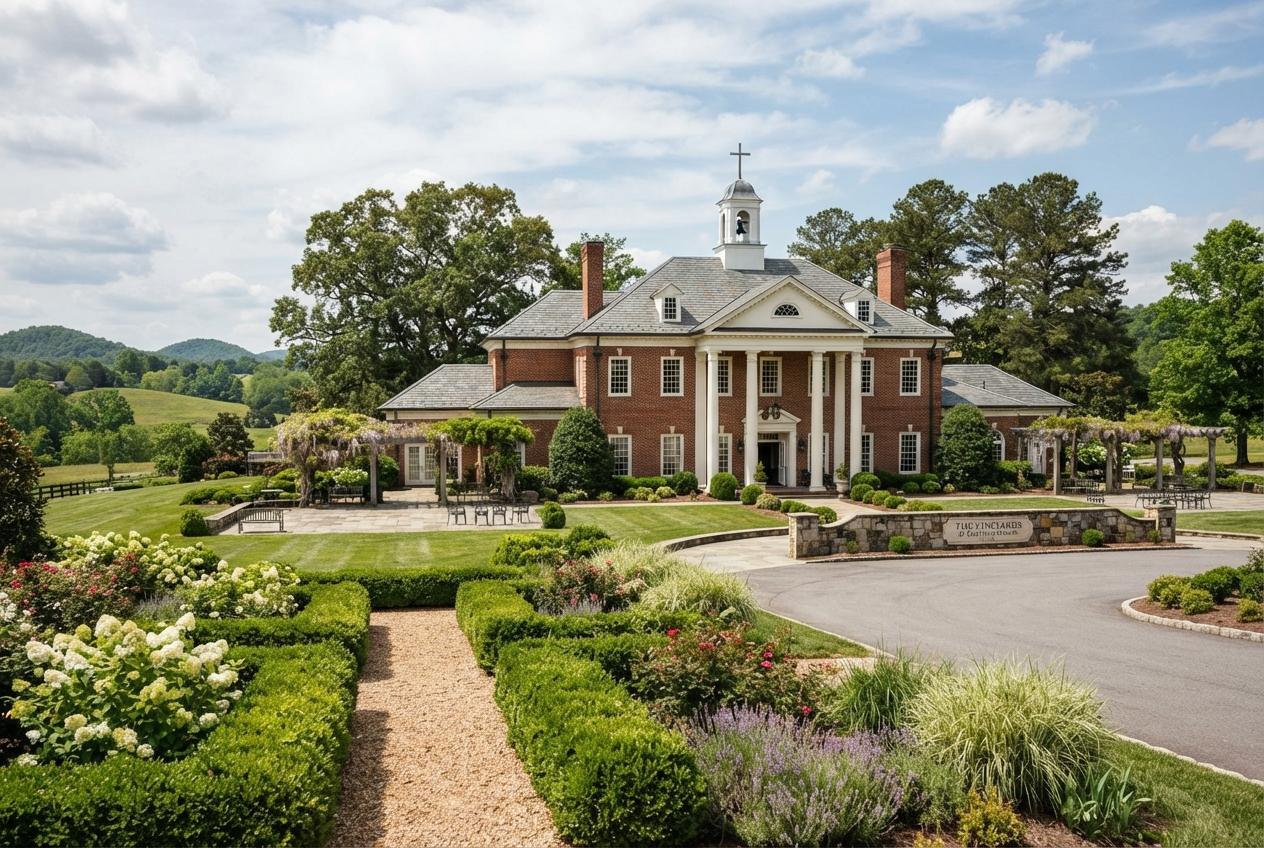
Shoppers and couples are noticing that wedding venues’ values can change the day you disclose your relationship , a North Carolina lesbian couple says they were turned away from a Christian venue after telling staff they were engaged, sparking debate about faith, business rights and discrimination. Here’s what happened, why people are split, and what couples can do next.
Essential Takeaways
- What happened: A North Carolina couple say a Christian wedding venue declined to host their ceremony after being told they are both women, citing the venue’s religious beliefs.
- Venue response: The venue is reported to have explained it operates according to sincerely held biblical beliefs and can only host ceremonies that align with “one man and one woman.”
- Emotional impact: The couple described the rejection as “a slap in the face” and “hateful,” while others online defended the venue’s right to act on religious convictions.
- Wider debate: The incident has reignited arguments over whether faith-based businesses may refuse service to same-sex couples and how LGBTQ+ couples should screen venues.
- Practical tip: Couples are advised to ask about inclusivity up front, check reviews, and request clear non-discrimination policies before booking.
What the couple says , a promising venue that turned cold
A woman posted a video describing how she and her fiancée had found a venue they loved and arranged a tour, only to be told an hour beforehand that the venue would not host them once staff learned they were a same-sex couple. The message they received said the decision flowed from the venue’s Christian beliefs about marriage, and that it could only host ceremonies aligning with “one man and one woman.” The couple called the message hurtful and discriminatory, and named the venue in a comment on the video.
This kind of last-minute change feels personal, and no wonder , wedding planning is emotional, tactile work. According to reporting in outlets covering similar cases, these incidents leave couples scrambling for alternatives and cause reputational blowback for venues.
Why venues say they refuse same-sex ceremonies
Many of these venues frame refusals as religious freedom. They explain their business was founded on particular faith convictions and that hosting same-sex ceremonies would conflict with those principles. Supporters argue the owner’s conscience and religious liberty deserve protection, and they point out that private businesses sometimes choose clientele consistent with their values.
But that defence meets a counterargument: when a commercial enterprise is open to the public, denying services to a class of people feels and functions like discrimination. Legal protections vary by state and by circumstance, and the debate keeps resurfacing in news coverage and courtrooms.
How the public reacted , divided and loud
Online reactions split quickly. Some people praised the venue for upholding its beliefs and called the response “respectful” or within the owner’s rights. Others were angry and quick to call the decision hateful, leaving negative reviews and urging potential customers to look elsewhere. The couple’s video prompted discussion about whether heterosexual couples should be vetting venues for inclusivity, and whether sites should state policies plainly on their websites.
This is familiar territory: similar cases reported by industry and LGBT publications show the pattern repeats, especially in states where legal protections for LGBTQ+ people are inconsistent.
Practical steps for couples planning a wedding
If you’re planning a wedding, assume not every venue is inclusive unless it explicitly says so. Ask pointed questions early: does the venue have a non-discrimination policy? Will they host same-sex ceremonies? Can they provide examples of other inclusive events they’ve hosted? Check recent reviews and social feeds for clues about how they treat diverse couples.
If you do face a refusal, document communications and consider whether you want to publicise the incident , some couples choose advocacy, others prefer to move on quietly. Local advocacy groups and online directories that list LGBTQ+-friendly vendors can be huge time-savers.
Legal and cultural outlook , what’s next
The tension between religious liberty and anti-discrimination protections isn’t new, but it’s evolving. Laws differ by state and courts keep refining how rights apply to businesses that serve the public. Meanwhile, consumer pressure and social media can change a venue’s reputation faster than legal routes can resolve a case.
For couples, the takeaway is practical and bittersweet: it’s wise to plan with both optimism and caution. Asking the right questions early saves heartbreak later, and community resources make it easier to find vendors who will celebrate every couple.
It's a small change to your planning that can make every ceremony feel welcome and right.
Source Reference Map
Story idea inspired by: [1]
Sources by paragraph: