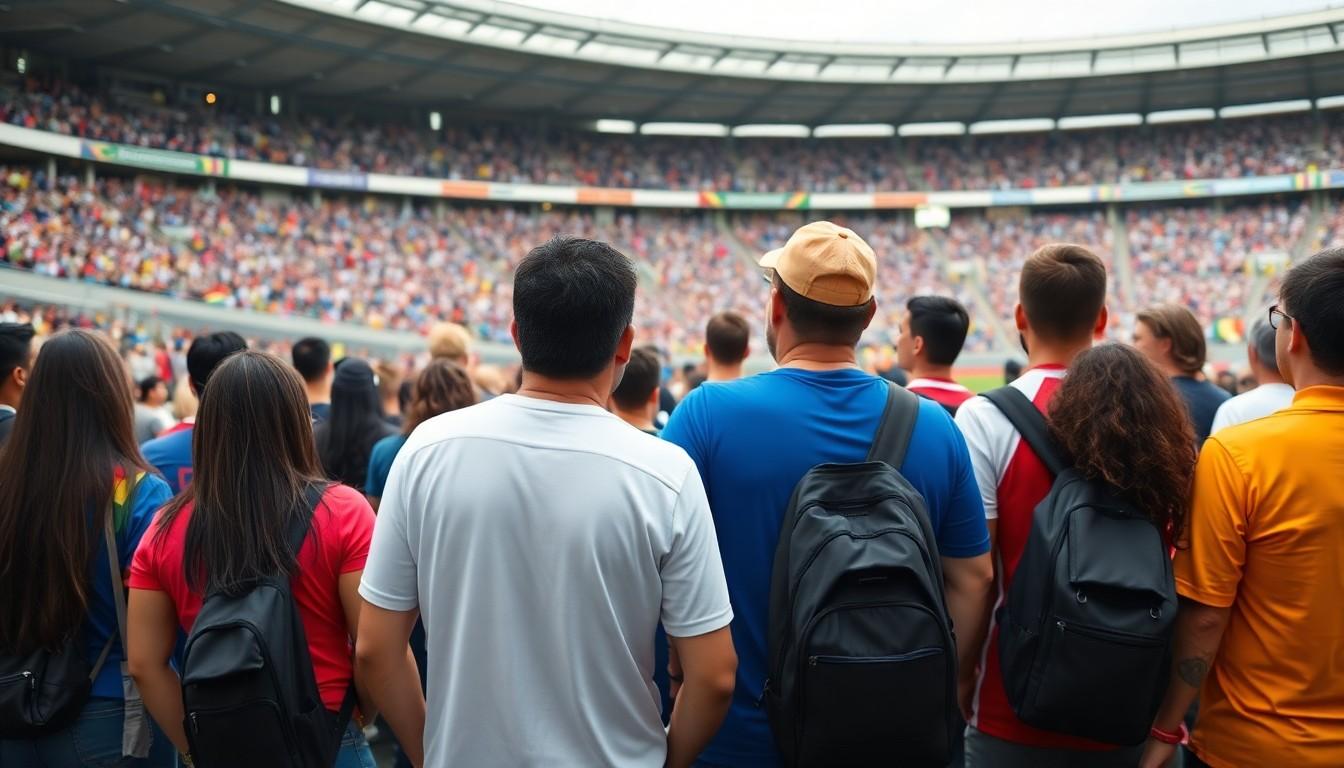
Shoppers, fans and activists turned up to rethink the way sport welcomes LGBT+ people in Salvador. More than 100 participants met at Arena Real Brasil to map out a joint agenda for inclusion, tackle discrimination and turn the BaVi classic into a symbol of respect and belonging.
Essential Takeaways
- Big turnout: Over 100 people from collectives, clubs and political groups attended, signalling strong grassroots interest.
- Cross-club partnership: Organised supporters from Vitória and Bahia, plus local teams, collaborated to plan concrete actions.
- Practical goals: Proposals aim to expand public policies, safety measures and visibility for LGBT+ people in sport.
- Symbolic action: A friendly “BaVi without rivalry” match closed the event, offering a visible message against LGBTphobia.
- Community-led: Collectives rely on local mobilisation and own funds, underscoring DIY commitment and sustainability.
A packed room and a clear message: inclusion feels tangible
The strongest image from the meeting was simple and vivid , a full room of people, warm and purposeful, trading stories and solutions. According to local reporting, more than 100 participants crossed the city on a Tuesday night to talk sport and dignity. That turnout is as much a proof of felt need as it is a rallying cry for change.
Organisers from ORN (Orgulho Rubro-Negro) and LGBtricolor framed the conversation around lived experience, sharing the everyday barriers LGBT+ fans and athletes meet. This wasn’t an abstract policy seminar; it was people exchanging practical fixes , from safer stands to visible antidiscrimination measures.
How the idea grew: grassroots groups leading the charge
The meeting grew out of supporter groups and small inclusive teams who’ve been doing the groundwork for years. Groups like Tietas FC and Dendê FC joined organised fan collectives to build a broader coalition. These initiatives are often funded through member levies and local fundraising, showing real community buy-in.
This mirrors a national pattern that outlets such as CNN Brasil and regional reports have tracked: LGBT+ athletes and torcidas are increasingly organising to claim space. When communities lead, the proposals tend to match immediate needs, from signage and steward training to legal advocacy.
Turning the BaVi into something different , a match, not a battle
Instead of ending with speeches, organisers took to the court. A friendly mixed-sided game , a BaVi without rivalry , sent a tidy visual: rubro-negros and tricolores on the same team, playing for inclusion. Moments like that matter because they shift the narrative from confrontation to camaraderie.
Friendly games are more than PR. They normalise shared space and model respectful behaviour. If clubs and stadiums see positive outcomes from such matches, they’re more likely to support repeat events and adopt the accompanying codes of conduct.
Policy ambitions: from proposals to public action
Participants insisted the conversation must translate into policy. The collectives pressed for wider public policies to combat discrimination in sport, echoing the Bahia state’s recent commitments to LGBTI rights and inclusion. Those government programmes offer a template: training, awareness campaigns and legal channels to report abuse.
Practical tip: if you’re part of a club or a supporters’ group, start small , anti-harassment rules for matches, clearer complaint routes, and visible allyship badges. These steps are cheap, visible and build momentum toward larger policy wins.
Why this matters beyond Salvador
This meeting is part of a wider movement across Brazil where inclusive teams and LGBT+ fan groups are reshaping the game. From grassroots squads to national discussion, inclusivity in sport improves safety, broadens participation and makes football more enjoyable for everyone. Local wins in Salvador can be replicated elsewhere, especially when groups document outcomes and lobby clubs and authorities.
Looking ahead, the hope is that the agenda this coalition builds becomes a living plan , a set of actions that clubs, municipalities and federations can pick up and implement. As one organiser pointed out, the conversation is only the start; the work happens when proposals meet resources and commitment.
It's a small change that can make every match safer and more welcoming.
Source Reference Map
Story idea inspired by: [1]
Sources by paragraph: