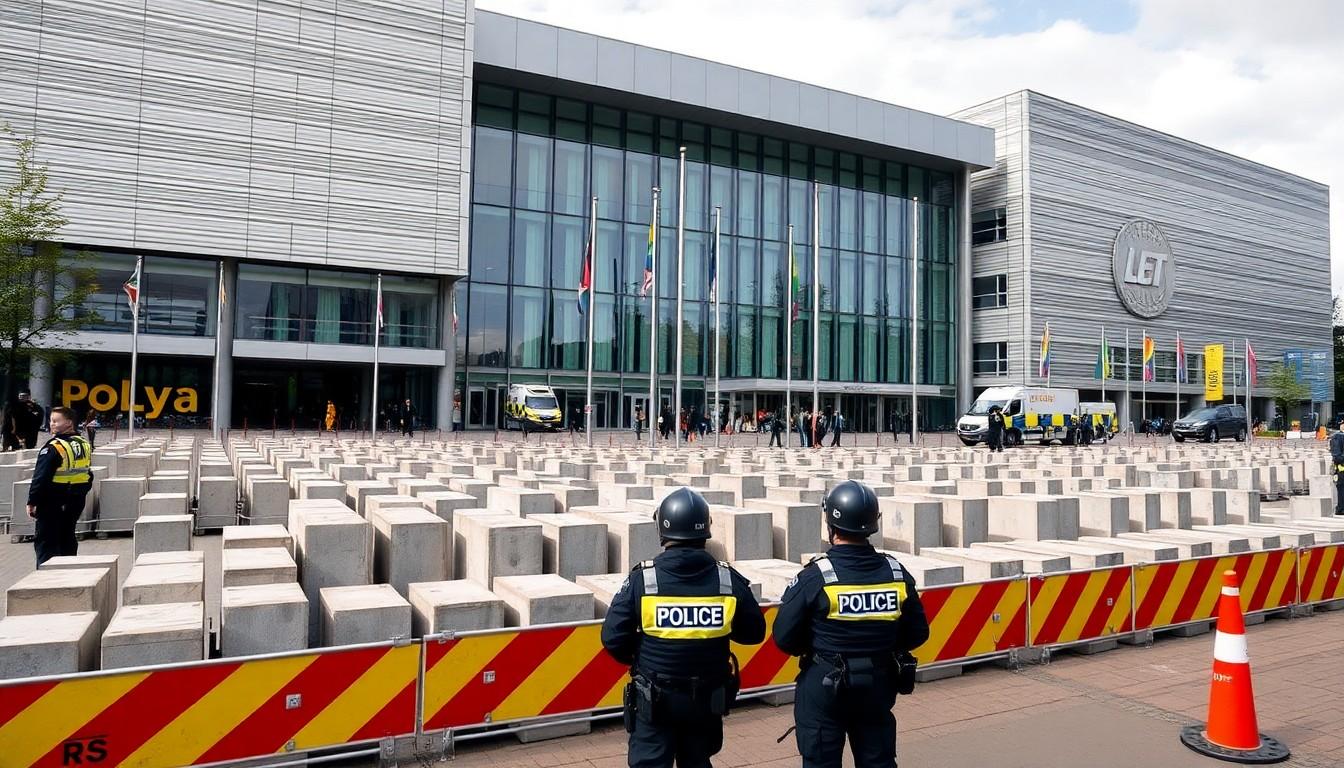
Shoppers, partygoers and canal-watchers are noticing stepped-up security as Amsterdam gears up for WorldPride; organisers and police say extra barriers, bag checks and visible patrols aim to keep crowds safe after the deadly Berlin attack, and it matters because reassurance and quick access to help can make or break a public celebration.
Essential takeaways
- Concrete barriers: 250 concrete blocks are placed along key canals and parade routes to prevent vehicle attacks, creating a sturdier, visible perimeter.
- Stricter entry checks: Nightclubs and event venues are running extra bag searches and heightened door procedures, with staff trained to spot suspicious behaviour.
- Visible policing: High-visibility police patrols and liaison officers are focusing on contact with the LGBTQI+ community to encourage reporting and calm.
- Community response: Memorials and vigils have been held in solidarity, underscoring resilience while organisers balance safety and celebration.
- Limits of protection: Authorities and venue owners warn that lone-wolf attacks remain hard to prevent, so situational awareness still matters for attendees.
Why Amsterdam reacted quickly , the vivid shock of Berlin
The decision to tighten security around WorldPride came after a car-ramming attack near the Brandenburg Gate during Berlin’s Christopher Street Day that killed one person and injured many. The imagery of a crowded parade disrupted by violence hit home for planners and club owners, and they moved fast to respond. According to press reports, organisers felt a tangible urgency , one club owner told local media he had never seen preparations like this before, and that sense of alarm is why you’ll now find extra checks and concrete blocks around canals.
What the extra measures look and feel like
Expect practical, visible changes: rows of concrete blocks anchoring the canals, more uniformed officers on foot and extra bag searches at clubs and festival sites. These measures are designed to slow or stop a vehicle and to deter potential attackers, while reassuring visitors with a steady presence. Venue staff are in near-constant contact with police and intelligence services, and you’ll notice a firmer door policy at popular nightspots.
How organisers balance safety with celebration
Organisers face a tricky task: protecting people without turning Pride into a fortress. They’re leaning on routine security upgrades , barrier placement, bag controls, and liaison officers , rather than showy militarisation. The chair of the gay police association has emphasised outreach, saying officers want to be approachable and to maintain contact with the community. That approach aims to keep Pride accessible while lowering risk, and it helps that local leaders are publicly supporting resilience and hope.
What to do if you’re going to WorldPride
Plan for delays and checks, and treat extra searches as part of the night out. Travel light, keep ID and phone handy, and note the locations of first-aid points and information tents. If you see something odd, tell a steward or a police officer , liaison teams are there to listen. For groups with people who need quieter spaces, check venues in advance; some organisers are offering calmer zones for anyone who finds crowds overwhelming.
Why prevention has limits , and why solidarity still matters
Officials and venue owners frankly acknowledge that lone attackers are difficult to stop entirely; barriers and searches reduce risk but don’t eliminate it. Still, public vigils, the mayor’s call for courage, and the solidarity shown at the Homomonument have been powerful reminders that Pride is also about community strength. Holding events with sensible precautions sends a message: life, joy and resistance continue, even as organisers adapt to new realities.
It's a small change that can make every celebration feel safer.
Source Reference Map
Story idea inspired by: [1]
Sources by paragraph: