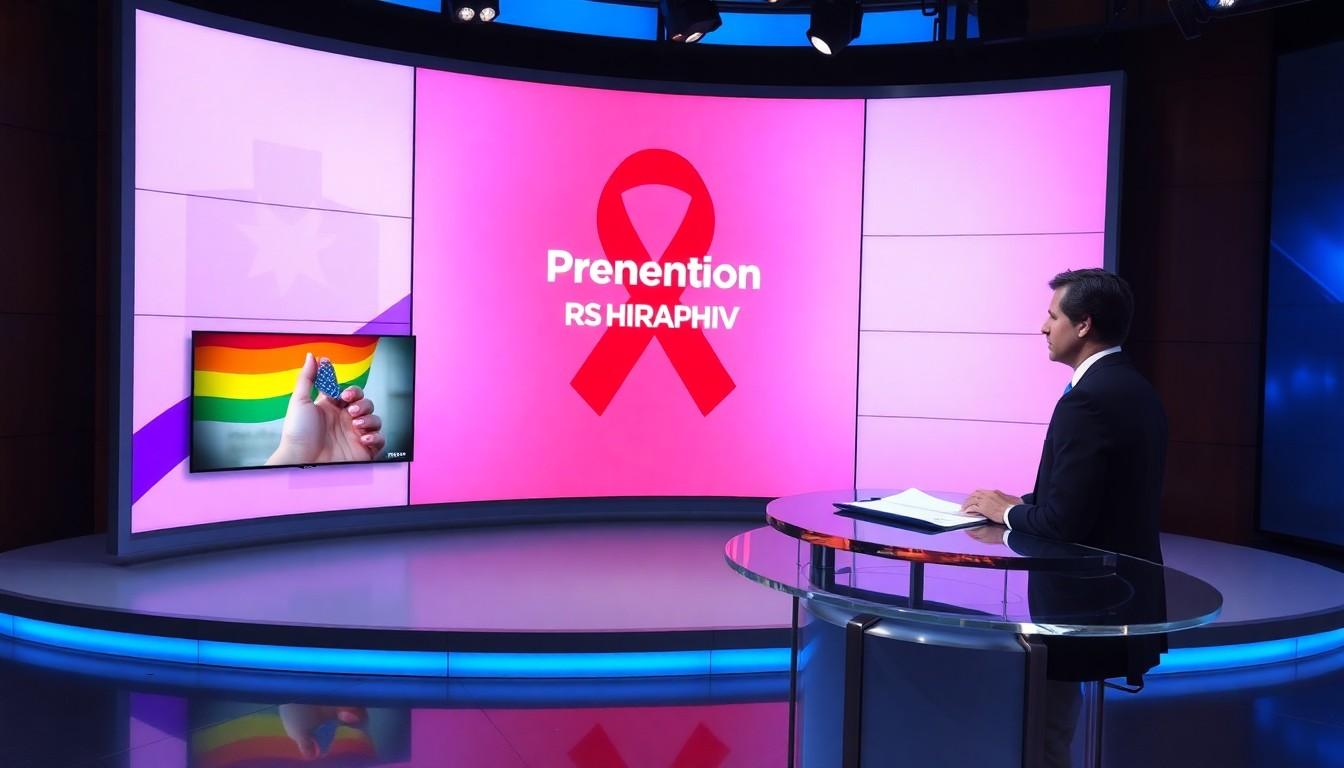
Shoppers, voters and parents are watching as LGBTQ issues pop up in politics, health campaigns and school debates; here’s a brisk roundup of three recent stories , who’s involved, what people are saying, and why it matters for rights, public health and everyday inclusion.
Essential Takeaways
- Religious programme under scrutiny: A Colorado Republican candidate markets an eight-part $99 course framing homosexuality as a spiritual problem, drawing criticism from medical and LGBTQ advocates.
- HIV prevention in the crosshairs: A conservative petition targets TV ads for PrEP education, objecting to daytime placement and visible LGBTQ representation.
- Trans teachers face new scrutiny: A North Carolina lawmaker floated rules about “gender-appropriate” staff attire after complaints about a trans teacher, fuelling debate over workplace rights.
- Public-health stakes: Attempts to limit or stigmatise PrEP messaging risk undoing prevention gains and leave at-risk people less informed.
- Workplace and classroom impact: Dress-code proposals and public complaints often centre on visibility rather than misconduct, affecting trans employees’ dignity and safety.
A candidate’s course rekindles debates about conversion therapy and faith
Victor Marx, a Republican candidate in Colorado, is promoting an eight-part course that characterises homosexuality alongside issues like addiction and low self-esteem. The material is sold as training and film content for $99, while Marx’s ministry frames prayer as the means of “deliverance.” That hawkish, moralising tone feels familiar to many advocates who’ve spent years pushing back against programmes that promise to change sexual orientation.
Major medical bodies have long said sexual orientation isn’t an illness, and many oppose conversion therapy outright. So when a political figure monetises religious teaching that suggests otherwise, it becomes more than theology , it’s a policy signal. Voters should ask whether a candidate’s private ministry reveals how they’d treat LGBTQ people in office.
If you’re deciding how to respond, look up your local protections and whether a politician’s stance translates into concrete policy proposals. Community groups and health professionals can offer fact-based resources to counter misleading claims.
Why PrEP adverts are suddenly controversial , and why that’s risky
Educational ads encouraging PrEP use have been a public-health tool for preventing HIV, using clear messaging to reach people who'd benefit most. But a conservative group calling itself One Million Moms launched a petition to stop these commercials on TV, arguing they’re inappropriate for daytime slots and objecting to the campaign’s LGBTQ visibility.
This feels less about broadcast timing and more about who gets seen. Stopping such ads doesn’t reduce HIV risk; it merely narrows who sees life-saving information. Advocates argue that inclusive public-health messages save lives, while opponents often frame the debate as protecting “family-friendly” spaces.
If you care about prevention, support straightforward education campaigns and ask broadcasters to consider both reach and responsible timing. Public-health groups can also push for targeted digital outreach that reaches at-risk communities without the same gatekeeping.
Dress codes, dignity and where lawmakers should draw the line
A North Carolina state representative suggested legislation after complaints about a transgender teacher’s appearance, proposing rules for “gender-appropriate professional attire.” The flashpoint wasn’t misconduct or policy violations but a clash over visibility and what parents consider appropriate.
That kind of proposal forces a tricky balance: schools want professionalism, but regulating attire in gendered terms risks singling out transgender staff and eroding workplace protections. The fallout often leaves educators feeling targeted and students missing the point , schools are meant to be safe learning spaces, not battlegrounds over identity.
Practical steps for school leaders include reviewing neutral dress codes that focus on conduct and safety, not gender presentation, and ensuring clear non-discrimination policies that protect employees and pupils alike.
The bigger picture: culture wars that shape everyday life
These three stories aren’t isolated headlines; they form a pattern where religion, health and education become arenas for broader cultural fights. When political campaigns, advocacy groups and elected officials take positions that affect visibility or access, the consequences reach beyond rhetoric , they shape legal protections, influence healthcare uptake, and decide who feels welcome at work and school.
Keep an eye on how these debates move from opinion pieces into policy. Supporting evidence-based health messaging, defending inclusive workplace standards, and voting with awareness of candidates’ broader beliefs are small but practical ways to influence outcomes.
It’s a small change that can make everyday life more secure and fair for LGBTQ people.
Source Reference Map
Story idea inspired by: [1]
Sources by paragraph: