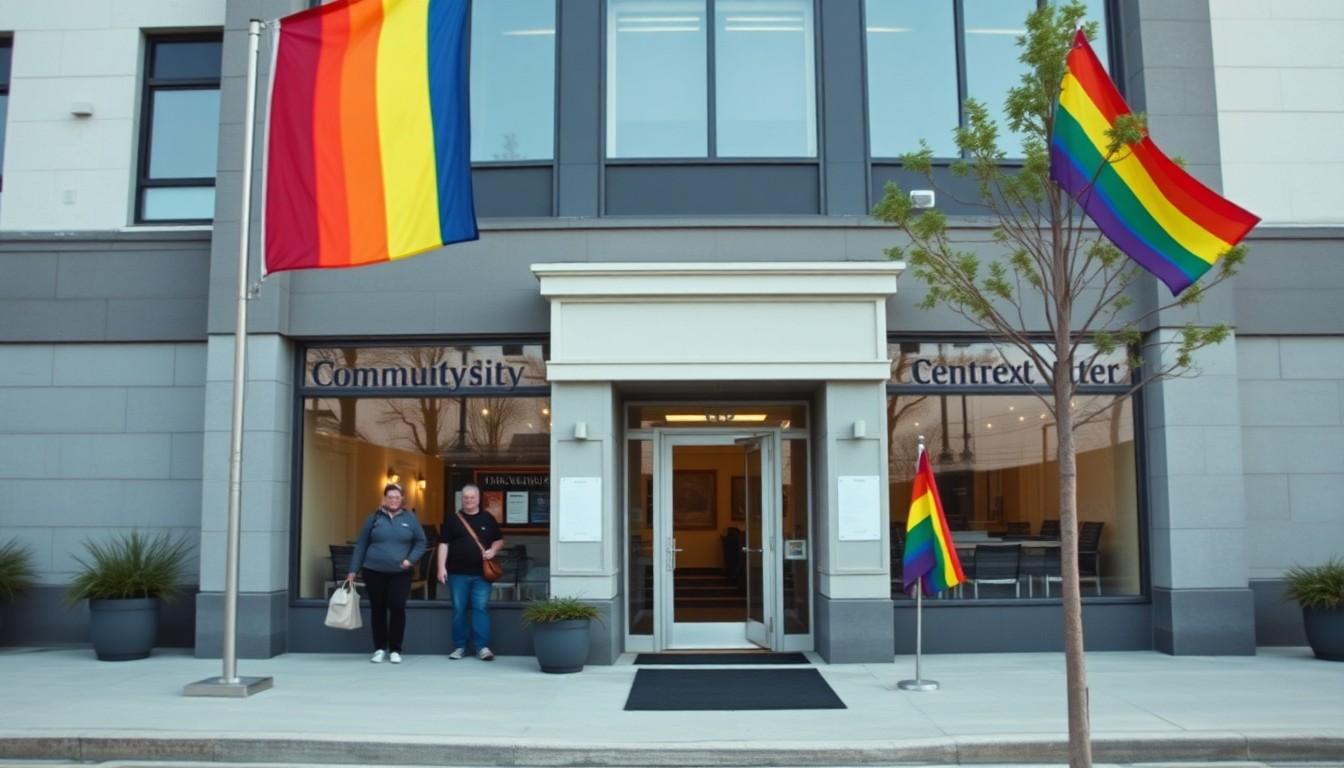
Shoppers are turning to advocacy as policy shifts endanger queer youth and representation; activists, parents, and viewers across the US and beyond are asking what to do next after a federal rule protecting LGBTQ foster children was rescinded and studios pull back queer characters. Here's a practical, hopeful guide to where you can help and why it matters.
Essential Takeaways
- Policy change: A federal placement rule for LGBTQ foster youth established under the previous administration was rescinded, removing nationwide placement safeguards.
- Risk to children: The rule aimed to avoid placing LGBTQ children with caregivers who would reject or coerce them; advocates warn its removal raises real safety and stability concerns.
- Representation slump: Major studios have reduced visible trans and queer characters on screen, even as some queer-led films continue to succeed commercially.
- Global crackdown: Countries including Senegal and Trinidad and Tobago are intensifying criminalisation and punishment of consensual same-sex relations, increasing pressure on international advocacy.
- What you can do: Support local LGBTQ foster-care organisations, choose inclusive media, donate to legal defence funds, and press for diplomatic and policy consequences where rights are being rolled back.
What the foster-care rule actually did , and why its loss matters
Start with a simple image: a frightened teen arriving at strangers’ homes and needing someone who will simply accept them. The rescinded federal rule had required federally funded child-welfare agencies to seek placements that affirm a child’s identity, provide relevant services, and train carers. Its aim was modest and practical , reduce the odds a vulnerable child gets placed in a hostile environment.
Advocates argued the rule was a direct response to documented risks LGBTQ youth face in care. Now that set of guardrails is gone nationally. That doesn’t mean every foster child will be harmed, but it removes a clear, consistent expectation from agencies funded by the federal government. For families and caseworkers, it tightens the margin of safety.
If you’re a foster parent or thinking of applying, ask agencies about their stated policies for LGBTQ placements, insist on training records, and make your willingness to provide an affirming home known. And if you work with elected officials, press them to restore national standards or fund local protective programmes.
Hollywood’s retreat on queer stories: business choice, political signal, or both?
There’s a sensory shift you can see: fewer trans characters in big studio films and more conservative corporate caution. GLAAD’s numbers show a dip in representation, notably almost no transgender characters among major studio releases in a recent count. Yet the marketplace tells a more complicated story; queer-led films have hit the box office and streaming audiences when they’re well-made and well-marketed.
So what’s going on? Studios are risk-averse and sensitive to political winds. When anti-LGBTQ rhetoric becomes part of a larger political strategy, media companies sometimes pull back to avoid controversy , or to curry favour. The result is less visibility at a time when representation still moves public opinion.
If you care about screen representation, vote with your attention: stream, buy, and recommend well-crafted queer films and shows. Support independent and queer-led production companies, and use social platforms to amplify titles that handle characters honestly rather than tokenistically.
Global rollbacks: how diplomacy and targeted pressure can help
From new harsher penalties in Senegal to colonial-era laws being litigated in the Caribbean, the international landscape is worrying. Criminalisation and increased enforcement make life literally dangerous for LGBTQ people and drive some to seek urgent assistance or refuge.
History shows diplomacy and conditional aid can influence behaviour. When donor countries, multinational institutions, and trade partners make human-rights standards a factor in relations, regimes reconsider the political calculus. That doesn’t mean punitive isolation necessarily; it means targeted, principled leverage , linking cooperation and benefits to basic rights protections.
If you donate internationally, prioritise organisations that provide legal aid, emergency relocation (where appropriate), or grassroots resilience. Ask your representatives to support foreign-policy tools that protect human rights, and back independent journalism that keeps these stories visible.
Practical actions you can take this week
Small choices add up into real protection. If you want to help right now, here’s a short checklist:
- Volunteer or foster: Local agencies need trained, open-minded foster carers. Training matters; insist on it.
- Donate: Support legal defence funds, emergency shelters, and organisations like Rainbow Railroad or local LGBTQ youth services.
- Buy and recommend: Stream and promote queer films and shows, and support creators directly when possible.
- Advocate: Write to MPs, councillors, and US representatives asking for restored safeguards for LGBTQ foster youth and for human-rights-based foreign policy.
- Educate: Encourage schools and social services to adopt evidence-based, identity-affirming practices and to resist political scapegoating.
Even a small monthly donation or a letter to your representative can help tip the balance for a child, a lawyer, or an activist on the ground.
Why resilience still matters , culture, community and the long view
It’s easy to feel exhausted by headlines of rollbacks and court fights, but culture keeps moving. Visibility in entertainment, scholarship, and public life has changed hearts and minds before. When statutes and policies shift backwards, community networks, legal challenges, and international pressure have a track record of forcing change again.
Look to existing models: constitutional protections adopted in some countries came from political evolution and persistent activism. Representation , imperfect as it can be , normalises lives and opens space for legal and social protections to grow.
So keep showing up: support the people and institutions that do the hard day-to-day work and keep stories alive. It’s a small change that can make every future placement safer and every on-screen queer character a bit more real.
It's a small change that can make every life safer; pick one thing to do today and double it tomorrow.
Source Reference Map
Story idea inspired by: [1]
Sources by paragraph:
- Paragraph 1: ,
- Paragraph 2: ,
- Paragraph 3: ,
- Paragraph 4: ,
- Paragraph 5: ,