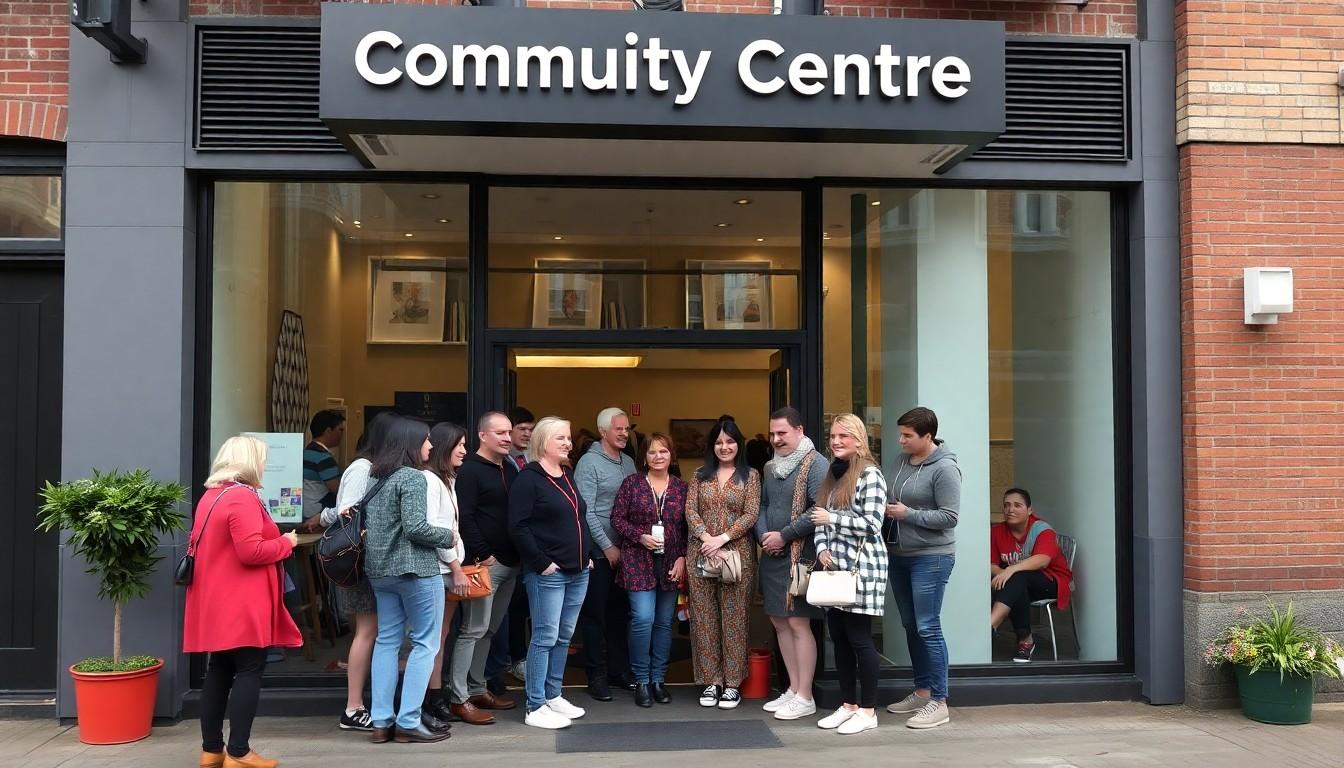
Shoppers are turning to new strategies as visibility for LGBT+ people grows more public and, paradoxically, more risky; community groups, researchers and councils in the Netherlands are rethinking Pride, safer spaces and school initiatives to protect people while keeping the gains of visibility intact.
Essential Takeaways
- Rising incidents: Reports show violence and discrimination against LGBT+ people remain common, with notable spikes around Pride events and public displays.
- Visibility paradox: More representation creates role models but also attracts targeted backlash and organised framing that weaponises visibility.
- Practical responses: Local groups set up safer spaces, schools get toolkits for disputes, and helplines log surges in reports during Pride weekends.
- Policy tools: Governments and NGOs are developing anti-discrimination measures and prevention programmes, while researchers monitor shifting attitudes.
- Choice and nuance: Advocates stress visibility should be a personal choice and accompanied by support structures for people at risk.
Why visibility helped , and why it now feels risky
Visibility gave many LGBT+ people names, role models and safer social space, and the emotional lift is obvious when a young person sees someone like them on TV or in politics. But that same spotlight can draw abuse and organised attacks, which is why reports to hotlines spike around Pride weekends and why some attendees need temporary shelter after events. According to national crime and discrimination statistics, one in ten LGBT+ people have experienced violence, and targeted incidents have increased in recent years, so the mood is part celebration, part damage control.
How communities are responding on the ground
Organisers and cities are adapting quickly: some Pride routes now include staffed safer spaces at transport hubs and hotels where people can get help after an incident, and grassroots platforms collect real-time complaints so resources can be redirected. Schools and youth services are also being given protocols: if a flag is pulled down or parents object to a Purple Friday, staff are advised to involve leadership, document events and open conversations rather than ignore problems. These are practical, low-cost steps that can turn a vulnerable moment into an opportunity for support.
The research picture: attitudes shifting, but not uniformly
Surveys paint a complicated picture. Population-level acceptance remains relatively high, yet attitudes among younger teens and on questions of gender diversity are showing pockets of decline in several regions. Researchers note that religiosity and broader conservative worldviews correlate more with negative views than migration background alone. So while visibility creates normalising benefits, a growing and vocal opposition can shape how people perceive that visibility , sometimes through deliberate mis-framing on social media and in political campaigns.
When visibility is weaponised: what that looks like
Political actors and media can reframe images of Pride to provoke outrage, for instance by pairing sexualised imagery with children or by amplifying fringe incidents as representative of an entire movement. That tactic shifts debate away from rights and safety and toward culture-war outrage. Observers say the debate is no longer just about being seen, but about how being seen is presented , and how opponents can exploit moments of visibility to mobilise anger.
What individuals and institutions can do now
There are straightforward, effective measures anyone can use. Event planners should map safe exits and liaison points with police; schools can make Purple Friday optional while educating and equipping teachers to handle pushback; local councils can fund reporting hotlines and temporary refuges during big events. For individuals, small steps matter: travel in groups, know where safer spaces are, report incidents promptly and save evidence. Policymakers can back that up by strengthening anti-discrimination enforcement and funding prevention work.
Where this conversation goes next
The debate isn’t simply visibility versus invisibility; it’s about how to make being visible safer and more constructive. Many activists argue for more nuanced visibility , one that centres dignity and protection rather than provocation , while preserving the role model effects that helped so many young people. Expect more tailored local responses, better data collection and ongoing discussion in schools, councils and parliaments about balancing celebration with security.
It's a small change that can make every Pride moment safer and more sustainable.
Source Reference Map
Story idea inspired by: [1]
Sources by paragraph: