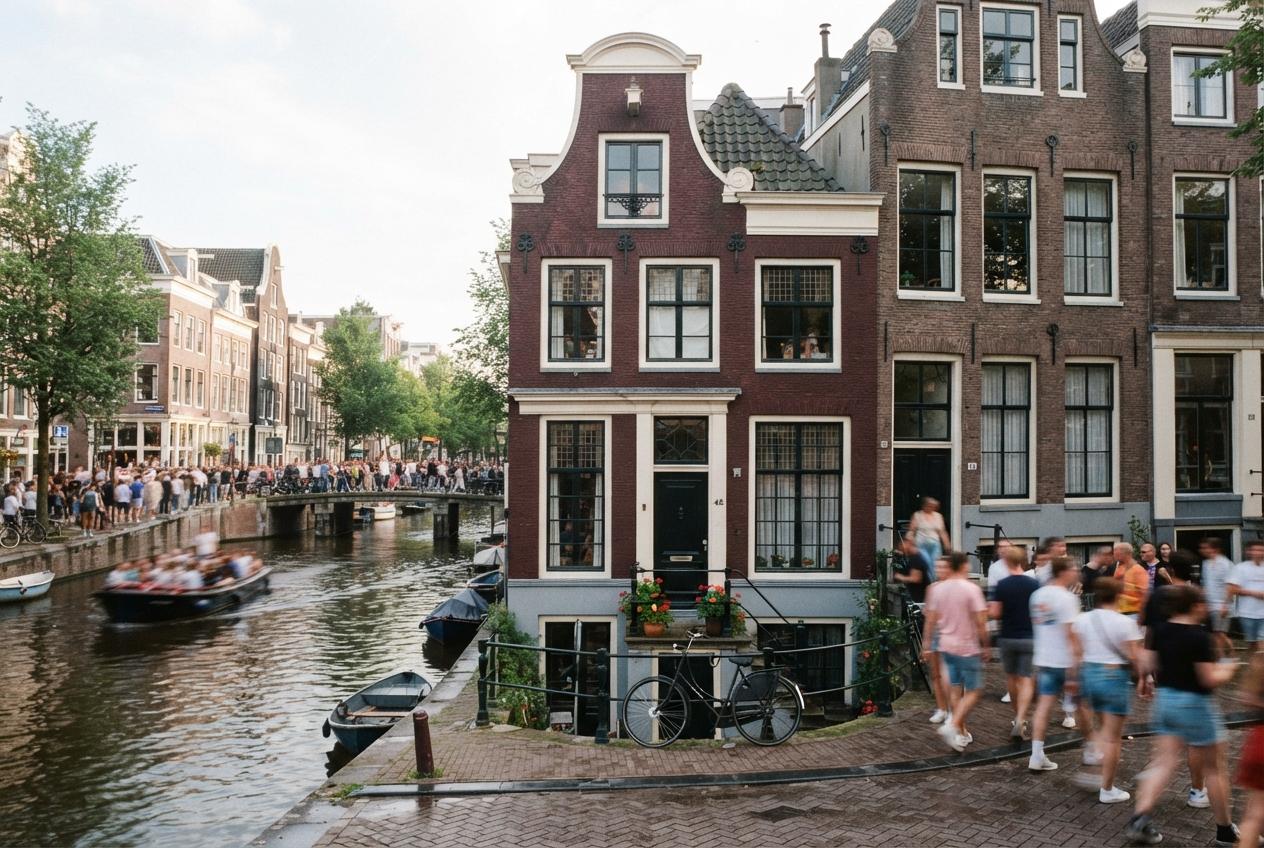
Celebrate family, memory and community , shoppers and visitors are flocking to Amsterdam as WorldPride marks 30 years of the Canal Parade, and one family’s ritual shows why the event still matters for equality, safety and joy.
Essential Takeaways
- Three decades strong: Amsterdam’s Canal Parade marks 30 years this edition, anchoring WorldPride activities across the city.
- A family ritual: One Amsterdam family has brought homemade egg rolls to Pride for years , ten with ham, ten without , handing them out along the canals.
- Visibility matters: The parade remains a vital mix of celebration and protest as incidents of homophobic violence persist.
- Accessible and festive: Canal boats, street parties and exhibitions make Pride both a colourful spectacle and a public education moment.
- Practical tip: If you’re attending with kids, plan a meeting point, pack snacks and check boat routes and schedules in advance.
A simple recipe became a family’s Pride anthem
There’s something quietly human about the sight of white rolls, warm with fried egg and ready to share. For one Amsterdam family, those ten-with-ham, ten-without portions are as much a part of Pride as the boats and banners. The mother, who loved the parade even as illness took its toll, insisted on bringing food so revellers wouldn’t pass out from beer and sun. It’s a small, tactile way to care , and it turns watching into participating.
The ritual grew organically: a tennis-club romance, moves between cities and trips back to the capital to be part of the canal parties. Over time the family learned the deeper stakes behind the glitter. If you’re going this year, consider a similar small ritual to make the day personal and rooted.
Thirty years of Canal Parade: from Gay Parade to WorldPride mainstay
Amsterdam’s Canal Parade has shifted from a carnival to an international touchstone. City and tourism sites note the 30-year milestone and Amsterdam’s role as WorldPride host, with a slick programme of boat parades, exhibitions and themed events. The pageant of decorated vessels still feels electric, but it’s accompanied now by museum shows and city-wide conversations about queer history.
That formalisation hasn’t dampened the grassroots feel: people still stand on bridges, shout, hug and cry. For visitors, timing matters , the city is busy, so book boat trips and secure family-friendly viewing spots early.
Celebration and protest: why Pride still carries urgency
What began decades ago as a defiant demonstration remains part party, part plea. The family’s story shows the dual nature of the day: it’s joyful but also necessary. Members recall how visibility opened doors , the son’s coming out was met with quiet, steady support at home , and how public pride can still be a shield. Yet the same family now hesitates to hold hands in certain neighbourhoods, because assaults and hostility are a real threat.
Organisers use the anniversary to highlight progress and the work left to do. If you attend, listen to speakers, note the advocacy groups present and consider how celebration can be an act of solidarity.
Boats, exhibitions and how to plan a family-friendly Pride
WorldPride and local organisers have staggered events across the city: the Canal Parade itself, museum exhibitions marking 30 years, and community projects that invite reflection. Families will find kid-friendly zones and quieter times for viewing; Amsterdam tourism resources publish schedules, suggested routes and accessibility information.
Practical pointers: pick a meeting point in case you’re separated, bring water and sunscreen, and map toilet stops beforehand. If you want an up-close view, pre-book a canal boat or claim a safe bridge early in the afternoon.
Memory, ritual and the ageing crowd
Watching three generations exchange dates, jokes and memory snapshots shows how Pride ages with its people. Older attendees remember when pink was novel and being visible was riskier; younger ones experience an opening world but also new anxieties. For this family, the mother’s legacy , turning up every year with bread rolls , turned grief into a ritual of continuity.
That continuity matters. It reminds visitors that Pride is not just a one-off spectacle, it’s woven into family life, friendships and communal memory. Bring something small that ties you to the day , a scarf, a recipe, a song , and you’ll leave with more than photos.
It's a small change that can make every Pride visit feel personal and safer.
Source Reference Map
Story idea inspired by: [1]
Sources by paragraph: