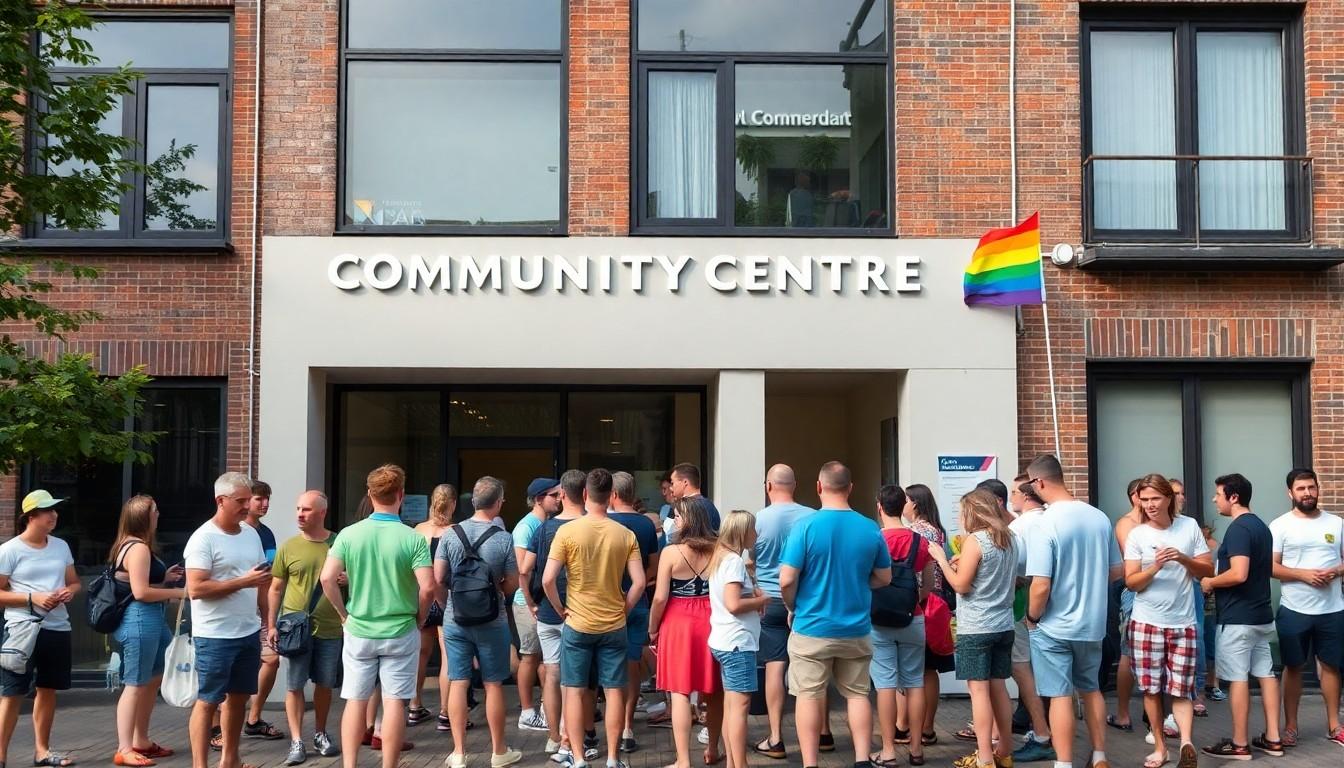
Shoppers, visitors and locals are preparing for a busy WorldPride in Amsterdam , and many are also bracing for heightened security concerns after a nearby attack. Here's a practical, upbeat guide to staying safe, aware and still enjoying the parties, parades and community spirit.
Essential Takeaways
- Plan ahead: Amsterdam and WorldPride publish clear safety and travel guidance; check routes and reporting points before you go.
- Look and listen: Expect visible security and extra reporting stations, and trust your instincts if a space feels unsafe.
- Stay connected: Keep phones charged, share your plans with friends, and use official channels to report incidents.
- Be practical: Wear comfortable shoes, carry a small first-aid kit, and know where public transport and quiet spaces are.
- Community resilience: Pride events balance vigilance with celebration , organisers and attendees aim to protect openness without cancelling joy.
Why organisers are talking about security , and why it feels different this year
Tension in the air is almost tangible this WorldPride season, and that’s partly because recent events abroad have reminded people how quickly a day of celebration can be disrupted. Amsterdam’s city services and the Pride team have been vocal about safety measures, and you’ll see more guidance and staff in public spaces. According to the city’s official resources, organisers want to reassure visitors while keeping the festival atmosphere intact. So expect sensible checks and clearly marked help points rather than a heavily militarised scene.
What the city has put in place , practical changes you’ll notice
Amsterdam has expanded reporting points and boosted on-the-ground support for visitors who experience harassment or violence. The municipality’s leisure and Pride safety pages outline where to find help and how to report incidents quickly. That means more clearly signed booths, stewards trained to assist, and communication campaigns encouraging people to speak up. If you spot something worrying, using those official channels speeds response and helps protect others.
How broader threats shape Pride safety , jihadist and far-right risks explained
Intelligence assessments still highlight jihadist-inspired attacks as a significant risk in Europe, and authorities say lone actors or small groups evolving under the radar are particularly hard to predict. At the same time, queer communities remain targets for both Islamist and extreme-right violence, which makes Pride events a focal point for prevention efforts. Experts note that heightened online radical content and polarised political debate can increase risk, but local prevention programmes and reporting networks in the Netherlands aim to reduce the chance of large-scale attacks.
Practical tips for enjoying Pride without feeling on edge
Keep it simple: plan meeting points, share your itinerary with friends, and agree a backup if phones lose signal. Charge a portable battery, carry a copy of important phone numbers, and use the Pride app or website for real-time updates. Choose a bag you can comfortably keep close, avoid blocked exits in crowded areas, and note where medical and police stations are. If you travel with children or someone who needs extra support, scope quiet zones and early-exit routes in advance.
Community response , grief, defiance and a refusal to divide
Queer communities worldwide have a long history of being both vulnerable and resilient, and Amsterdam’s Pride reflects that mix of grief and joy. Organisers, activists and many attendees are deliberately framing this year’s gatherings around solidarity rather than fear. Public statements and memorials have emphasised love and inclusion, and local voices warn against scapegoating minorities. That mood matters: choosing connection over division weakens extremist narratives and strengthens safety for everyone.
It's a small change that can make every Pride moment safer and more joyful.
Source Reference Map
Story idea inspired by: [1]
Sources by paragraph: