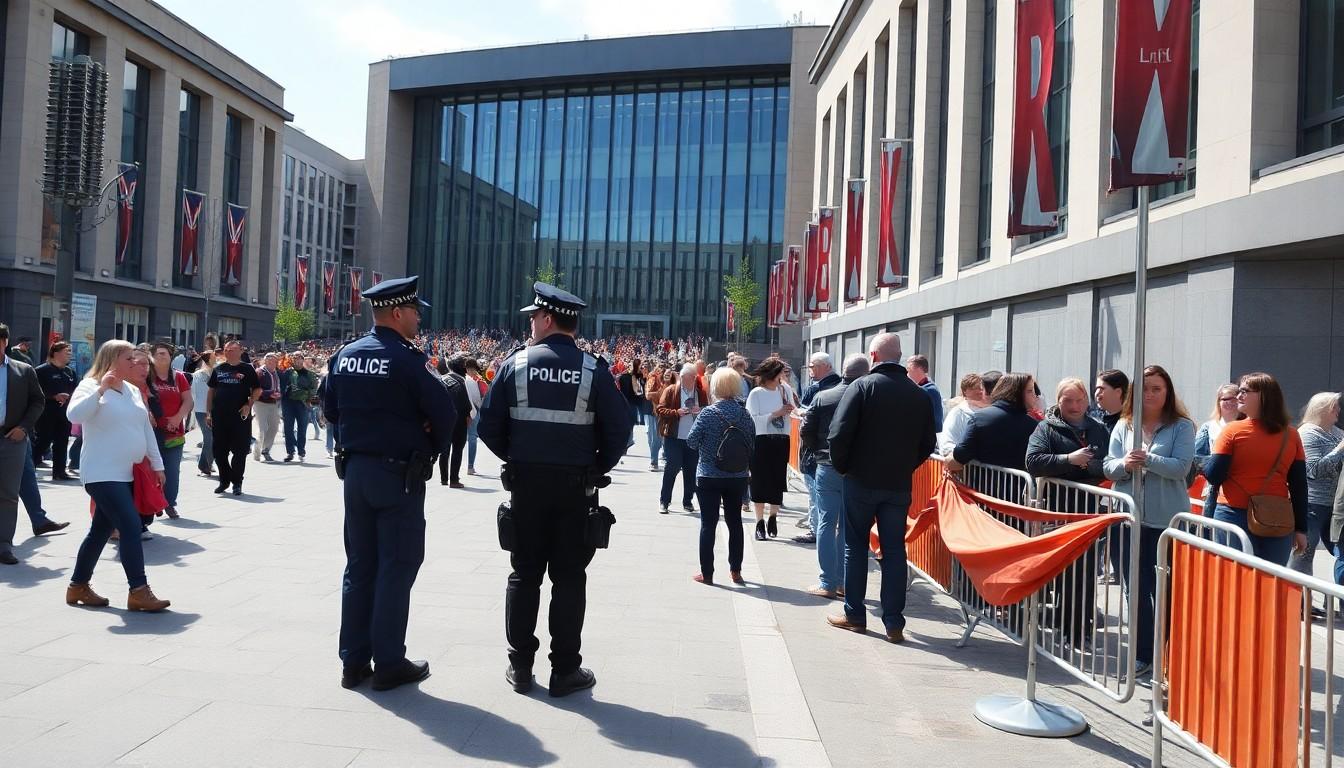
Shoppers, marchers and families are flocking to Hamburg this weekend in a huge show of solidarity after the Berlin attack; organisers expect around 250,000 people and authorities are balancing celebration with stepped-up security to keep queer communities safe.
Essential Takeaways
- Mass turnout expected: Organisers put this year’s Hamburg CSD at roughly 250,000 participants, a visible statement of support and resilience.
- Heightened police presence: Authorities are deploying extra officers and security measures after the Berlin attack to reassure crowds.
- Incident details: The Berlin attack involved a vehicle ploughing into parade-goers and a subsequent fatal stabbing; one attacker was shot dead by police.
- Practical vibe: Events in Hamburg aim to be inclusive and festive, but attendees should expect bag checks and restricted zones.
- Safety tips: Stay in groups, note exits, keep mobile charged and agree meeting points, and follow stewards’ advice.
Why Hamburg’s CSD feels different this year
The mood in Hamburg is part party, part vigil , you can almost feel it in the air. After the car attack at Berlin’s Pride parade left one person dead and dozens injured, many festival-goers are arriving with an extra edge of caution. Reuters and other outlets reported that the suspected attacker in Berlin used a vehicle to target the crowd and was later shot dead by police, which shifted how cities are planning Pride events this summer. For attendees that means a louder police presence, more barriers and visible first-aid points. If you’re going, expect measures that prioritise quick response and crowd safety.
What happened in Berlin and why it matters
Reports from international outlets including Al Jazeera and US media traced the sequence: a vehicle struck participants and the attacker then allegedly used a blade, leaving several people seriously hurt before officers engaged. German public broadcasters provided ongoing updates and investigative detail, helping other cities evaluate risk and response. The scale and brutality of the incident forced organisers elsewhere to rethink logistics; it also deepened solidarity, with demonstrations and vigils springing up across the country. Understanding that event clears up why Hamburg’s CSD is both a celebration and a public safety exercise.
How organisers balance celebration with security
Event planners are trying to keep Pride accessible while making it safer. That means pragmatic choices: controlled entry points, bag checks, temporary vehicle barriers, and a higher ratio of stewarding and police. In practice, the aim is to preserve the music, speeches and colours people come for while limiting vehicle access and enabling faster medical assistance. If you volunteer or run an information stall, plan for simple contingency steps , an internal check-in system, visible emergency contacts, and clear shelter-in-place instructions.
Practical tips for anyone attending large Pride gatherings
Being prepared is easy and doesn’t spoil the day. Stick to meeting points, carry a portable charger and basic supplies like water and plasters, and keep an ID and an emergency contact on you. If you’re with friends, agree on a fallback meeting spot in case mobile networks strain. Listen to stewards and police: they’re there to keep you safe, not to dampen the mood. And if you see something worrying, report it discreetly , early reporting helps prevent escalation.
What this means going forward for queer visibility and safety
There’s a bittersweet resilience to crowds that turn out bigger after a threat: you’re making a political and emotional statement as much as you’re celebrating. Authorities and communities will learn from each event, iterating on crowd-control, first-responder placement and communication. Media coverage from outlets like ZDF and The Week has already fed into these conversations, pushing organisers to be transparent about measures and to keep the focus on inclusion. And while no measure is foolproof, the stronger the community networks, the safer public events will be.
It's a small change that can make every march and celebration safer.
Source Reference Map
Story idea inspired by: [1]
Sources by paragraph: