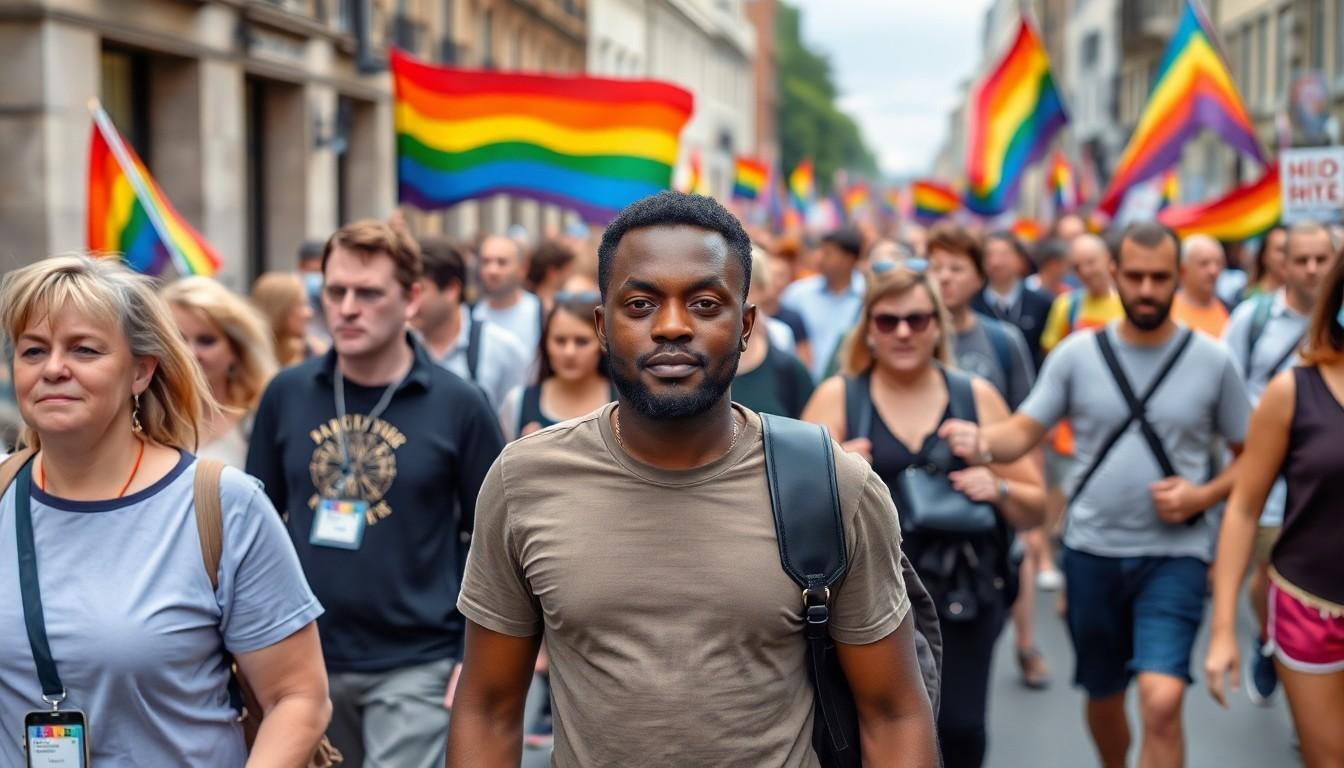
Shoppers and locals are watching as Hamburg prepares for CSD, while activists and newcomers weigh safety, solidarity and the need to support queer communities from Africa , a moment that matters for asylum, exile programmes and grassroots funds.
Essential Takeaways
- Personal stakes: A Black queer activist who recently moved to Hamburg describes mixed feelings after a violent attack at Berlin’s Pride, yet plans to march in solidarity.
- Community action: The Ubuntu Queer Safety Fund was set up to channel support to Black queer organisations across Africa; it’s community-led and focused on groups, not individuals.
- Legal backdrop: Uganda’s 2023 anti-queer laws have made exile and cross-border support urgent for many LGBTIQ+ people.
- Local scene: Hamburg’s CSD route and Pride events are going ahead with increased attention to security and solidarity programmes.
- Practical note: Many newcomers choose temporary exile or volunteer routes over formal asylum because of fears about racialised treatment in bureaucratic systems.
Why one activist’s decision to march feels like more than a personal choice
The opening image is simple and striking: a young man kissing his partner at the fair, relieved to be able to do so without immediate fear , a small, tender gesture that carries weight. According to the activist’s account, the Berlin attack shook that sense of safety and reminded him that visible queerness remains vulnerable, even in cities we assume are progressive. The reaction is understandable; when violence touches public Pride, people start recalculating risk and meaning. For many newcomers from countries with criminalised queerness, celebrating publicly is both cathartic and terrifying.
How Ubuntu Queer Safety Fund fills gaps left by borders and bureaucracy
The fund’s name , Ubuntu , speaks to a communal instinct: “I am because we are.” It focuses on supporting Black queer organisations in Africa, not just individual evacuations, which shifts the emphasis to sustainable community strengthening rather than ad hoc rescues. That approach matters because, as the activist explains, many who arrive on temporary programmes or volunteer visas deliberately avoid the asylum system; they've seen or heard about how Black people can be treated in bureaucratic processes here. Community-led fundraising and partnerships with local NGOs offer a practical route to send resources where they're most needed.
The legal and geopolitical context that makes Hamburg’s Pride urgent
Uganda’s 2023 legislation transformed the stakes for queer Ugandans and their networks, criminalising almost any public affirmation of queerness and applying draconian penalties. The activist’s story makes that reality vivid: raids on shelters, arrests and a constant threat of persecution. This is the context that pushes people to seek safety abroad, but it also explains why transnational solidarity , whether via funds, advocacy or local Pride participation , still matters for those left behind. The wider point is that Pride events become not only celebratory but political and practical lifelines for diasporic communities.
What Hamburg is doing and what marchers should know
Hamburg’s CSD route and schedule are public, and the city has a visible calendar of Pride-related events , from political demonstrations to cultural nights. Local organisations, including AIDS support services and political groups, are coordinating presence and support on the day. Given the recent attacks on Pride elsewhere, organisers and participants are talking more about security: where to gather, how to report incidents, and which stalls or groups offer psychological first aid. If you’re heading to CSD, consider going with a friend, know the meeting points, and look out for community booths that provide information and immediate help if needed.
Why the personal, the political and the practical keep intersecting
For activists who fled persecution, the act of marching mixes celebration with duty. The Hamburg marcher’s choice to join Aidshilfe Hamburg illustrates that balance , Pride is joy, but it’s also an opportunity to stand with people who can’t be open where they are. Community organisers stress that public visibility fuels advocacy, funding and long-term support. Looking ahead, expect more cross-border initiatives, monitoring of attacks, and local funds aimed at shoring up safety on the ground in countries where queer people remain criminalised.
It's a small change that can make every march feel safer and more purposeful.
Source Reference Map
Story idea inspired by: [1]
Sources by paragraph: